

Hollywood’s LGBTQ+ Representation Hits a Three-Year Low—But Why Does It Matter Now?
GLAAD’s latest report reveals a troubling decline in LGBTQ+ characters in major films. As the industry faces mounting pressure for inclusivity, the question remains: why is progress stalling when the demand for authentic representation has never been higher?
 Joseph BennettJune 11, 20252 Mins read26
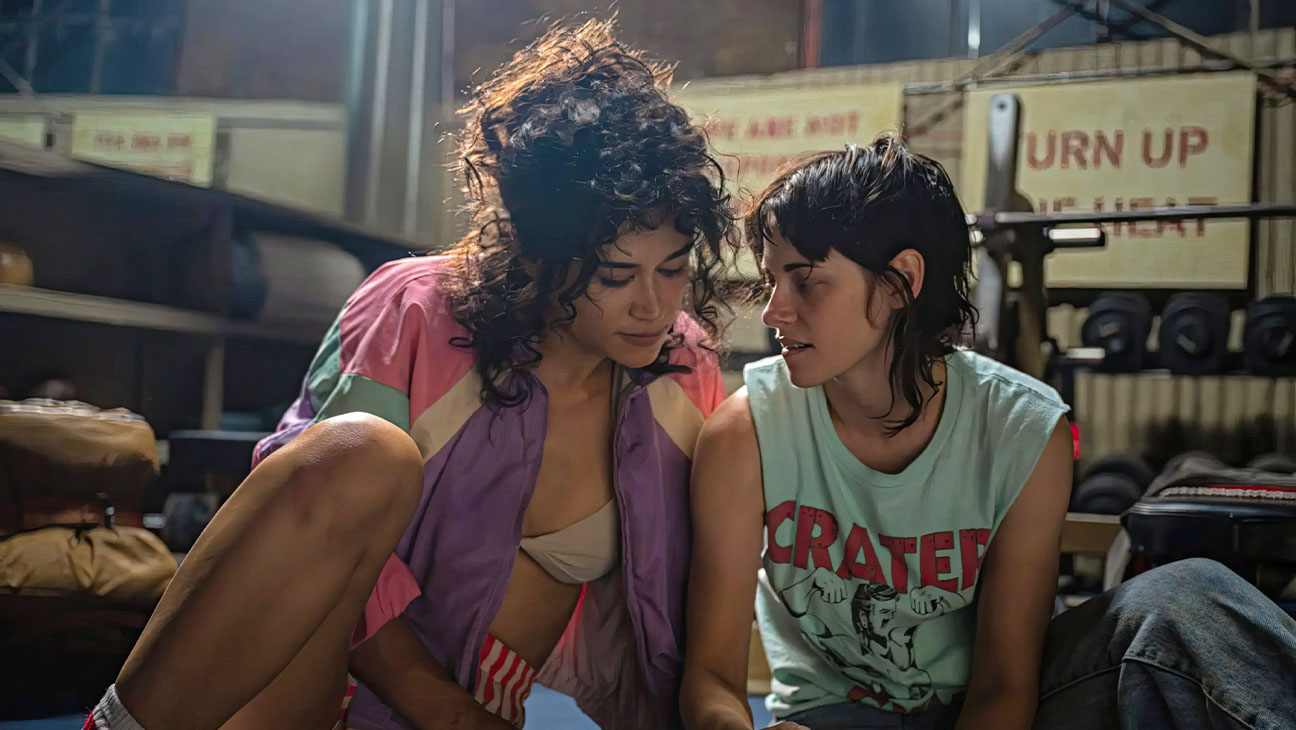
In a year when LGBTQ+ rights are under siege across the globe, Hollywood has taken a step backward. GLAAD’s 2024 Studio Responsibility Index reveals a sharp decline in LGBTQ+ representation in major films, with only 59 out of 250 films featuring LGBTQ+ characters—a drop from 70 in 2023 and 100 in 2022. This marks the lowest level in three years, raising the question: why is the industry regressing when the demand for authentic queer stories has never been more urgent?
The numbers tell a stark story. Of the 59 inclusive films, only two featured transgender characters—one portrayed by a cisgender actor. This mirrors a broader trend where transgender representation has been woefully inadequate. In 2023, only two transgender characters appeared across 256 major studio films, both of which were problematic in their portrayal .
The industry’s response to this decline has been tepid at best. Major studios like Netflix, Disney, and Warner Bros. received “poor” grades for LGBTQ+ inclusivity, while A24 stood out with a “good” rating, thanks to films like Love Lies Bleeding and Queer . Yet, even these films often relegate LGBTQ+ characters to secondary roles with limited screen time, reinforcing the notion that queer stories are peripheral rather than central.
This regression isn’t just a statistical blip; it’s a cultural setback. In a time when LGBTQ+ individuals face unprecedented political and social challenges, the absence of authentic representation in media sends a dangerous message: that queer lives are less worthy of storytelling. As Sarah Kate Ellis, president and CEO of GLAAD, aptly noted, “These stories are vital” .
The question now is not just why this is happening, but what can be done to reverse it. Hollywood must move beyond token gestures and invest in meaningful, sustained representation. This means not only increasing the quantity of LGBTQ+ characters but also ensuring their stories are told with depth, authenticity, and respect. It requires a commitment to hiring queer talent both in front of and behind the camera, fostering an environment where LGBTQ+ voices are not just included but are integral to the narrative.
As audiences, we must hold the industry accountable. We have the power to demand more than just visibility; we can advocate for stories that reflect the richness and complexity of queer experiences. The decline in representation is not just a reflection of Hollywood’s shortcomings—it is a call to action for all of us who believe in the power of storytelling to shape a more inclusive world.
In the end, the question isn’t why LGBTQ+ representation matters—it’s why it’s being allowed to disappear. And perhaps, more urgently, why we’re letting it happen.




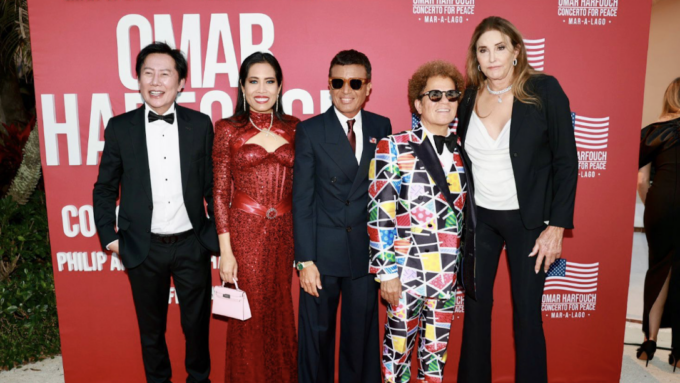
Pianist Omar Harfouch Brings Celebrated Figures Together for a Night of Cultural Exchange – Hollywood Life
Image Credit: Omar Harfouch On February 20, 2026, pianist and cultural figure...
 Kirsten Collins2 Mins read
Who Is Ivana Lisette Ortiz? About the Rihanna Home Shooting Suspect – Hollywood Life
Image Credit: WWD via Getty Images The suspect in the March 8,...
Kirsten Collins1 Mins read
How Much Money Does She Have Now? – Hollywood Life
Image Credit: WWD via Getty Images Rihanna may be known as one...
Kirsten Collins2 Mins read
Stars Who Slammed ‘Love Story: JFK Jr. & Carolyn Bessette’: Statements – Hollywood Life
Image Credit: Getty Images FX’s Love Story: John F. Kennedy Jr. and...
Kirsten Collins2 Mins read




Leave a comment