

When Wonderwall Steals the Show: Liam Gallagher’s Unexpected Tribute
At a Green Day concert, a fan’s spontaneous cover of “Wonderwall” caught Liam Gallagher’s attention—prompting a rare public praise that sparks deeper questions about legacy, fandom, and the power of a single song.
 Kirsten CollinsJuly 3, 20252 Mins read19
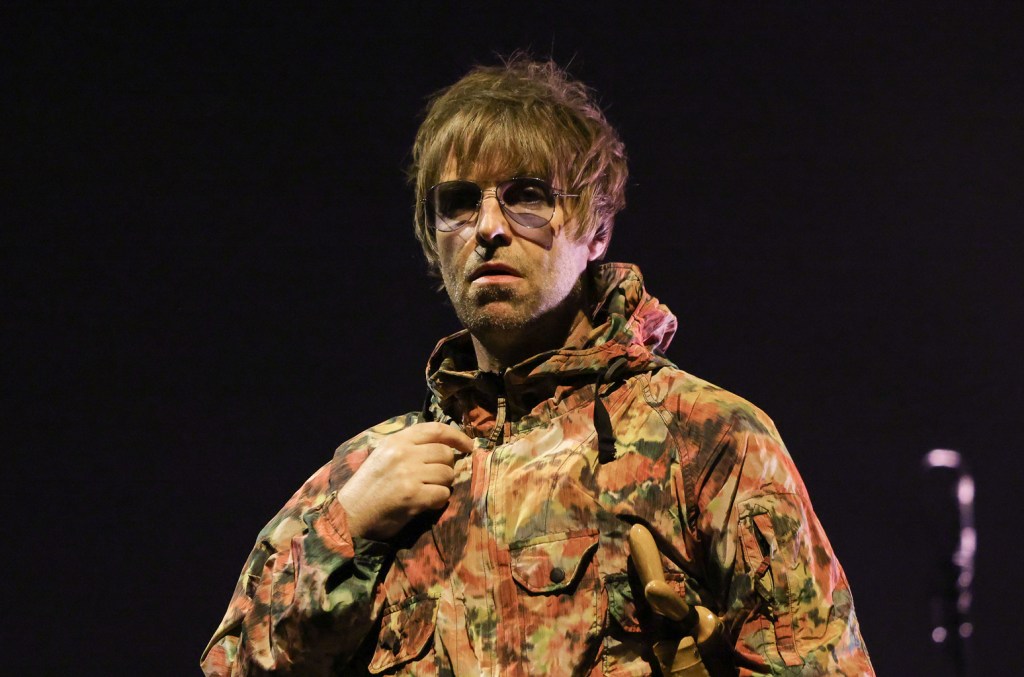
There are moments in music history when the spotlight shifts, not to the headliners, but to the raw, unexpected pulse of the crowd. At a recent Green Day show, a single fan’s tender rendition of “Wonderwall” — Oasis’s anthemic, bittersweet ballad — sent ripples far beyond the usual fanfare. Liam Gallagher, the voice that once defined Britpop’s swagger, didn’t just notice—he praised it publicly, casting a sudden spotlight on the unexpected, on the fragile alchemy between artist and audience.
Was it nostalgia? Reverence? Or something more elusive—an unspoken acknowledgment that a song, once buried in the 90s zeitgeist, still holds the power to bridge eras?
––– When Fans Rewrite the Narrative –––
In a culture obsessed with polished performances and viral moments, a fan’s unassuming guitar chords carving “Wonderwall” into the fabric of a Green Day concert is a quiet rebellion. Gallagher’s praise was not perfunctory—it was loaded with a hint of something vulnerable, almost protective. “It’s moments like these that remind you why we do this,” he said, his voice carrying the weight of decades and a thousand battles with fame’s fickle nature.
But why does a fan’s cover provoke more genuine emotion than a polished encore? Does it suggest that music’s true essence lies not in perfection, but in shared imperfections?
––– Echoes Beyond the Stage –––
Gallagher’s words linger, hinting at the complicated legacy of “Wonderwall.” The song is at once beloved and mocked, cherished and overplayed—a paradox emblematic of how hits can haunt as much as celebrate. Yet here, in this moment of communal homage, the song’s spirit felt alive and renewed, as if time folded back on itself.
Could this be a sign that the old anthems still wield cultural currency? Or is it simply the nostalgia machine grinding on, reminding us how much we crave connection through familiar refrains?
This fan’s delicate act of homage, amplified by Gallagher’s rare commendation, invites us to rethink what it means to keep a song—and its memories—alive. Perhaps the true legacy isn’t in chart positions or platinum plaques, but in these fleeting, shared moments that whisper of something larger than music itself.
And so the question remains: in the cacophony of modern fandom, who really holds the power—the artist, the audience, or the song that binds them? The last chord fades, but the echo feels endless.






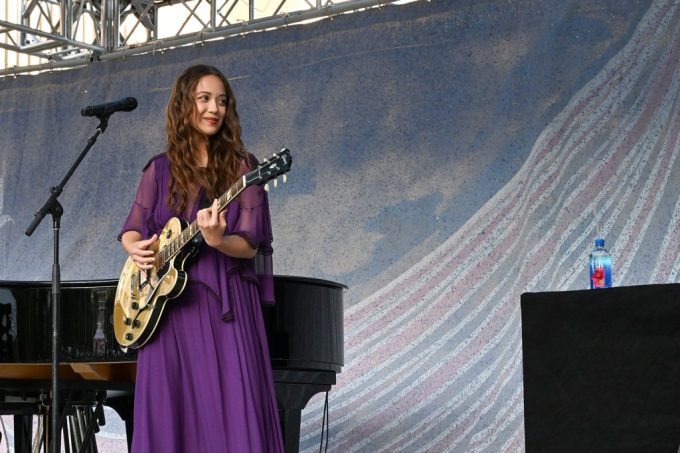
Laufey’s Opening Night Show at LA’s Crypto.com Arena: Best Moments
Laufey opened a two-night stand at Crypto.com Arena in downtown Los Angeles...
 Chris Marks6 Mins read

Julie Adam Is Billboard Canada Women in Music’s 2025 Exec of the Year
Julie Adam is having a milestone year — and it’s getting even...
Chris Marks4 Mins read
Spinal Tap Tribute Album with Foo Fighters,Tool for Teen Cancer America
Spinal Tap may be a fake band, but its music is very...
Chris Marks2 Mins read
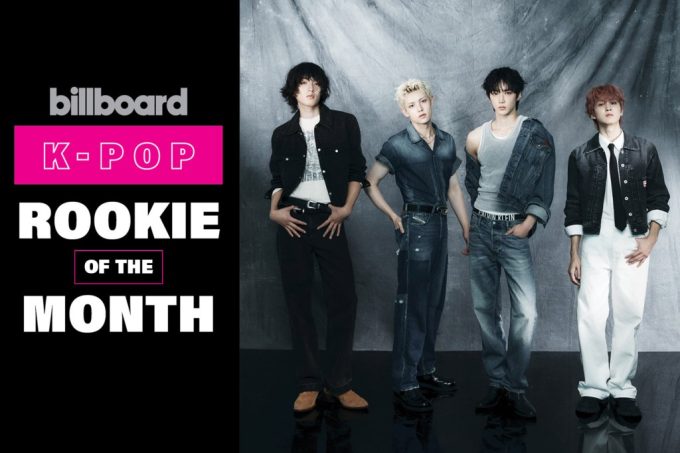
AxMxP Is K-Pop Rookie of the Month for September: Exclusive Photos
Ha Yoo Joon Image Credit: Chin Soyeon You debuted on Sept. 10....
Chris Marks2 Mins read




Leave a comment