

Blake Shelton’s Burnout: The Price of Stardom and the Freedom of Letting Go
After years of fame, the country star Blake Shelton faced a burnout few saw coming. But how does someone who’s been at the pinnacle of success learn to step away from it all? The answer may be both more human—and more profound—than we ever expected.
 Kirsten CollinsMay 7, 20252 Mins read37

There’s a truth few admit: fame doesn’t come without its cost. And for Blake Shelton, that cost hit harder than anyone could have anticipated. After over a decade of dazzling fans with his quick wit and easy charm on The Voice, it wasn’t the bright lights or the applause that nearly broke him—it was the relentless, grinding weight of it all. The question everyone’s asking now: What does it mean when a star, who seems to have everything, finds himself completely burned out?
Shelton’s exit from The Voice was more than a goodbye to a career-defining show—it was a statement. The kind of statement that made us reconsider the obsession with success that often consumes the stars we adore. In his decision to step back, Shelton revealed the deeper truth about fame: its capacity to devour, leaving nothing behind but exhaustion and the dull hum of a life that once felt full of purpose.
The Subtle Collapse
For years, Blake Shelton’s persona was built around being the ever-present, ever-ready force on The Voice. The banter, the chemistry, the music—it was all an act of performance, one that resonated with millions, yet quietly extracted its toll. It’s easy to forget that behind the applause was a man who, like anyone else, faced burnout, the kind that doesn’t just linger in the background, but seeps into the very fabric of one’s being.
“Every now and then you hit a point where you go, ‘I need to take a break,’” Shelton admitted. And in that admission lay the first clue to understanding the pressures of fame. What was it that made him finally reach this breaking point? Was it the years of relentless touring, or the daily demands of television? Or was it something deeper—the sense of never truly having control over his own narrative?
As Shelton navigates this phase of his life, there’s something deeply unsettling about the way fame operates: it gives, yes, but it can also take. And in that taking, it leaves behind a hollowness that no amount of recognition can fill.
The Empty Throne
It’s a paradox familiar to anyone who has ever tasted the intoxicating sweetness of success. Shelton’s decision to step away from The Voice isn’t just a physical retreat—it’s a withdrawal from the very thing that defined him for so long. For someone who has had their identity wrapped up in the public eye, how does one reclaim their self when that spotlight begins to fade?
Shelton’s story is not just about a man leaving a television show—it’s about a man wrestling with the meaning of his own existence when the thing he thought defined him now seems like a prison. In the quiet after the storm, where does a person go when the world they built around themselves begins to crumble?
It’s a question that reverberates through the corridors of fame, a reminder that there is a point where even the brightest stars burn out. But the real mystery here is this: does stepping away make room for something more? And what might be waiting on the other side of the spotlight?
In stepping back, Blake Shelton has sparked a deeper conversation about the true cost of celebrity. The real question is not why he left, but rather how many others, behind their shiny facades, are on the brink of doing the same? The glittering world of fame may offer an audience—but does it ever really offer peace?







Laufey’s Opening Night Show at LA’s Crypto.com Arena: Best Moments
Laufey opened a two-night stand at Crypto.com Arena in downtown Los Angeles...
 Chris Marks6 Mins read

Julie Adam Is Billboard Canada Women in Music’s 2025 Exec of the Year
Julie Adam is having a milestone year — and it’s getting even...
Chris Marks4 Mins read
Spinal Tap Tribute Album with Foo Fighters,Tool for Teen Cancer America
Spinal Tap may be a fake band, but its music is very...
Chris Marks2 Mins read
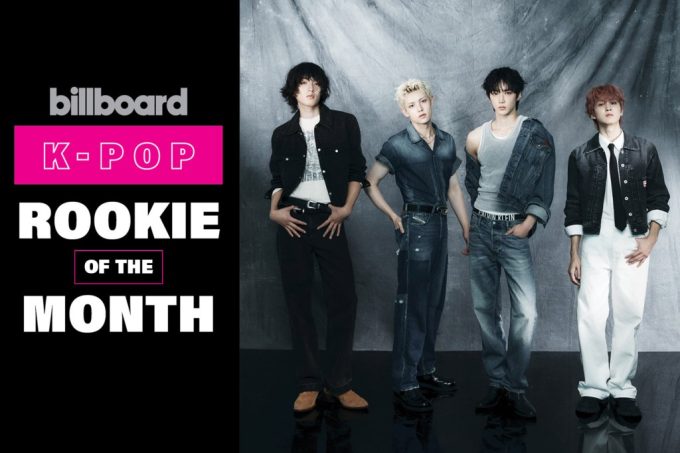
AxMxP Is K-Pop Rookie of the Month for September: Exclusive Photos
Ha Yoo Joon Image Credit: Chin Soyeon You debuted on Sept. 10....
Chris Marks2 Mins read





Leave a comment