

“Liberation Day” or Economic Landmine? Trump’s Vision Could Blow a Hole in America’s Future
Donald Trump’s so-called “Liberation Day” may promise economic freedom—but experts warn it could detonate the very foundations of fiscal stability. Is this revolution, or just recklessness in disguise?
 Krista FreelandMarch 30, 20251 Mins read88
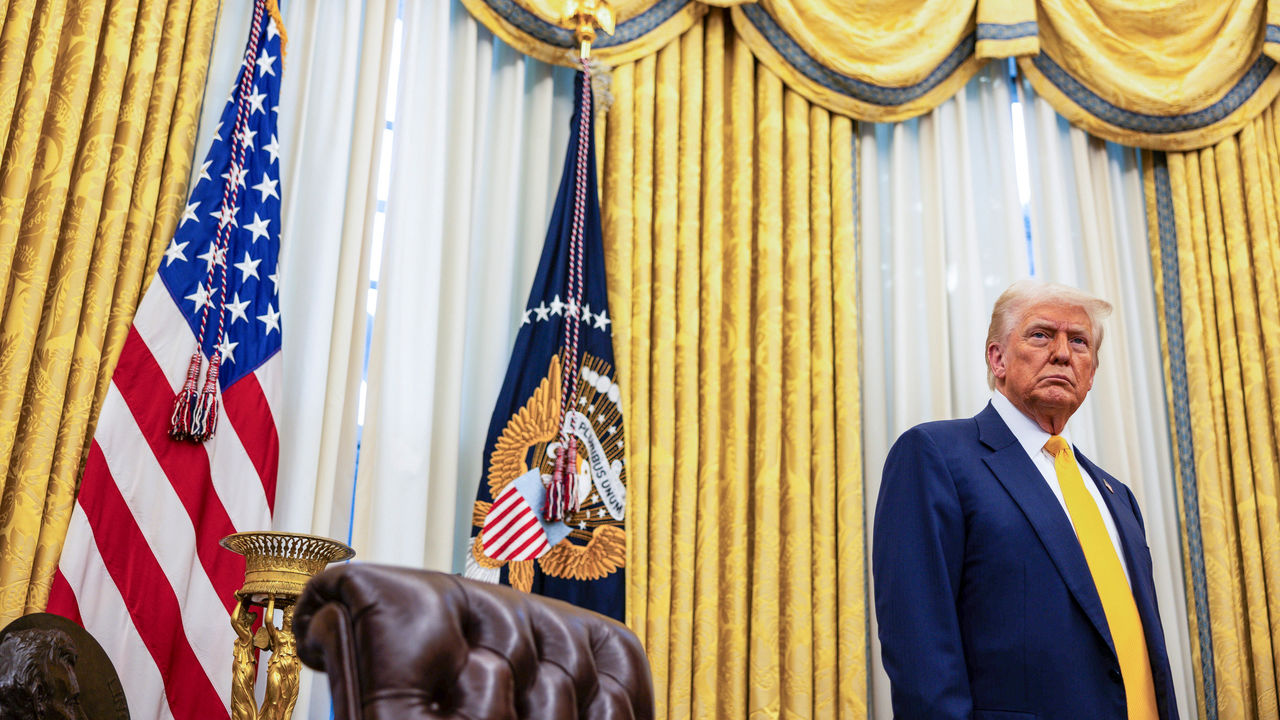
There’s a particular kind of theater that only Donald Trump can orchestrate—one where populist slogans double as policy frameworks, and words like “freedom” are deployed not as aspirations, but as detonators. “Liberation Day,” his latest spectacle, is no exception.
Set to be a sweeping rollback of regulations, taxes, global entanglements, and federal oversight, Trump’s Liberation Day is being framed as an emancipation from “the tyranny of globalism.” In practice, it may be the most calculated gamble yet—a dramatic loosening of the American economy’s most foundational guardrails, all in the name of sovereignty.
Economic Freedom at What Price?
To his base, Liberation Day is a reckoning—a triumphant swing of the wrecking ball aimed at Washington’s red tape, international trade entanglements, and green economy “nonsense.” But to economists and policy veterans, the vision is one of chaos masquerading as clarity.
Among the proposed measures: across-the-board tariff hikes, mass withdrawal from regulatory pacts, a flattening of corporate taxes to near-zero levels, and the evisceration of climate-linked business compliance. On paper, this reads like rocket fuel for “growth.” In reality, it resembles fiscal napalm.
“The danger isn’t just the policy—it’s the timing,” noted one economist. “You don’t inject this much volatility into a fragile, post-inflation recovery and expect resilience. You expect a ricochet.”
Freedom as Disruption, Not Design
What makes Liberation Day particularly potent—and perilous—is how it weaponizes the concept of freedom. For Trump, freedom is not systemic or strategic—it’s immediate, emotional, and deeply confrontational. And this has consequences.
Removing environmental controls may cheer energy lobbyists, but it invites foreign divestment. Gutting trade deals could bring applause in the Rust Belt, but retaliatory tariffs would gut American exporters. And slashing corporate taxes without spending offsets? That’s not reform. That’s a fiscal time bomb.
Yet for Trump, none of this matters as much as the spectacle. Liberation Day isn’t meant to function as policy—it’s meant to cement legacy. To declare, loudly, that under his command, America didn’t just deregulate—it defied.
So is Liberation Day truly about liberation—or is it a ritual cleansing, designed to wash away accountability under the guise of autonomy?
Maybe the real question isn’t what Trump will destroy. It’s what—if anything—will be left standing afterward.







How Much Will Trump’s Policies Really Cost Wall Street?
When Donald Trump first took office, his policies were sold as a...
 Kirsten Collins2 Mins read

Milken 2025: The Party of the Rich, Amid a World Falling Apart
The night was electric in a way that only a private, star-studded...
 Joseph Bennett3 Mins read

Buffett, Cook, and the Quiet War for America’s Soul
There was a moment, barely a second long, when Warren Buffett’s smile...
Joseph Bennett3 Mins read
The Deception Behind the Deal: How Bait-and-Switch Pricing Is Shaping Our Desires
It’s the perfect price—a promise of a deal that seems too good...
Joseph Bennett3 Mins read




Leave a comment