

The Last Falsetto: Lou Christie’s Death and the Echo of a Forgotten Fever
Lou Christie is gone, and with him vanishes the strange electricity of a falsetto that once seduced the entire nation. But did we ever really understand what he was singing about?
 Chris MarksJune 20, 20252 Mins read17
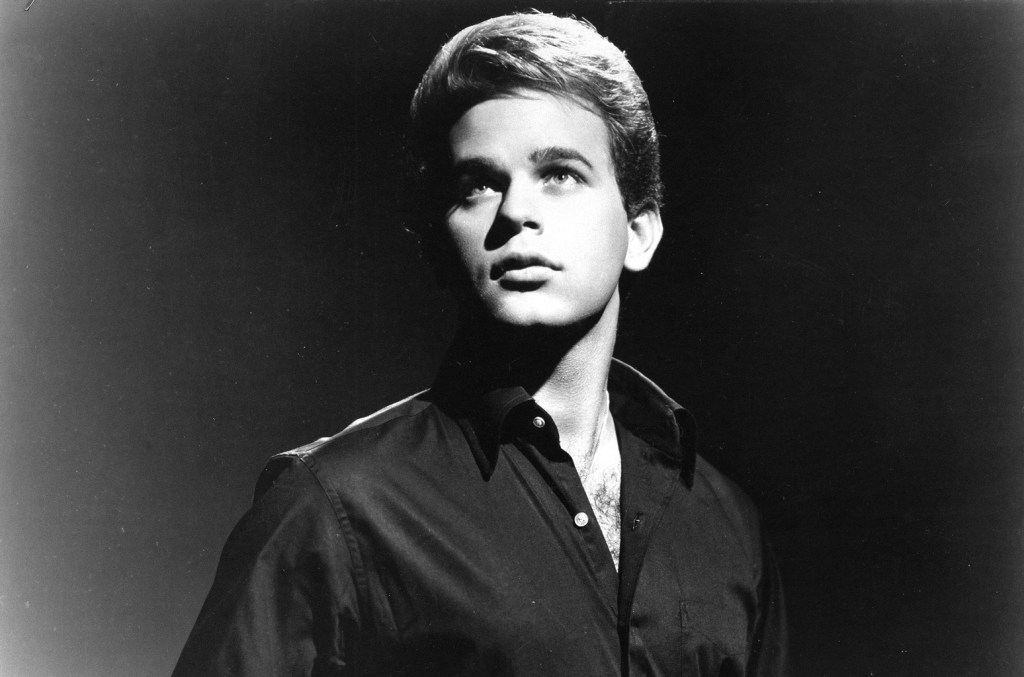
There was something uncomfortably ecstatic about the way Lou Christie sang—like a preacher in a nightclub or a teenager trapped in a man’s body. His falsetto wasn’t smooth. It cracked, it strained, it hovered like a threat disguised as seduction. And now, at 82, that voice has finally gone silent.
He died quietly, we’re told, in his Pittsburgh home. A brief illness, the news said. But Lou Christie was never meant for quiet departures. His songs were soundtracks for moral panic. “Lightnin’ Strikes” didn’t just climb the Billboard charts in 1966—it stormed them with a beat that hinted at danger and lyrics that sounded more confession than chorus. He was, as many now forget, one of the last great American teen idols who never stopped sounding just a little too adult.
Pop as a Performance of Sin
When you listen to Christie’s catalog now, it doesn’t feel like nostalgia. It feels like a secret someone forgot to keep. “Rhapsody in the Rain,” famously banned on several stations, is less a love song and more a euphemism-soaked memory of backseat abandon. He wasn’t crooning to the prom queen—he was confessing to the priest.
“I never saw myself as squeaky clean,” he once said, brushing off the “teen idol” label. And maybe that was the trick. He wasn’t an idol—he was an interloper. The guy who made AM radio sound just a little unsafe. When Christie hit that high note, it didn’t sound like joy—it sounded like temptation.
Death of a Mirrorball Era
So what do we make of a legacy like this? Lou Christie was never canonized like Brian Wilson, nor mythologized like Jim Morrison. He lived past the 27 club, through disco, beyond synth pop and the digital death of vinyl. But he remained unchanged—a man out of time, frozen in the glossy cover art of a world that always underestimated its own darkness.
He didn’t belong to the present, and maybe that’s why he haunts it now. The world that once elevated falsetto-driven teenage confessionals into hit records no longer exists. But every so often, when culture circles back to retro aesthetics, you can hear Christie echoing—unfiltered, uncensored, and still just a little too much.
His death, like his life, forces the question: who decides what survives pop culture? And more pressingly—what other voices are we allowing to fade out because they don’t fit our narrative of the past?
The lightning has struck, finally and for good. But if you listen closely, maybe—just maybe—you’ll hear that high note trembling somewhere above the silence.


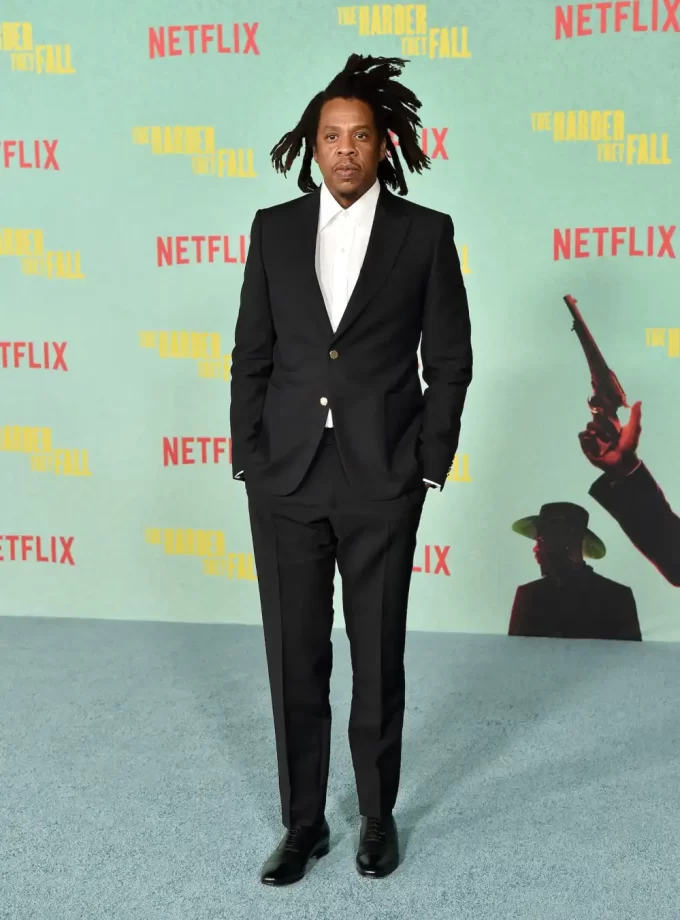




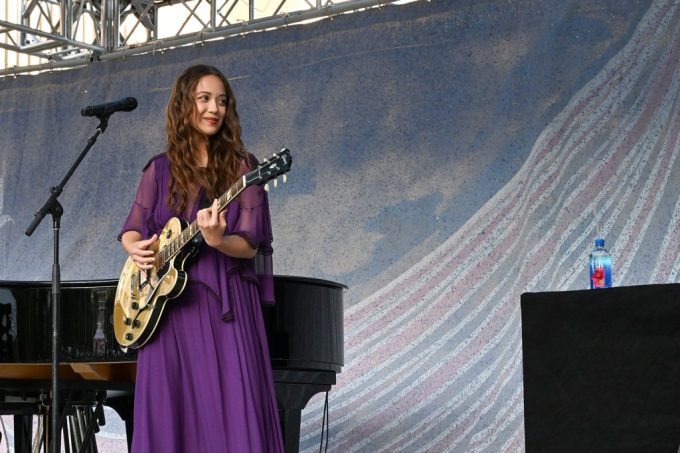
Laufey’s Opening Night Show at LA’s Crypto.com Arena: Best Moments
Laufey opened a two-night stand at Crypto.com Arena in downtown Los Angeles...
Chris Marks6 Mins read

Julie Adam Is Billboard Canada Women in Music’s 2025 Exec of the Year
Julie Adam is having a milestone year — and it’s getting even...
Chris Marks4 Mins read
Spinal Tap Tribute Album with Foo Fighters,Tool for Teen Cancer America
Spinal Tap may be a fake band, but its music is very...
Chris Marks2 Mins read
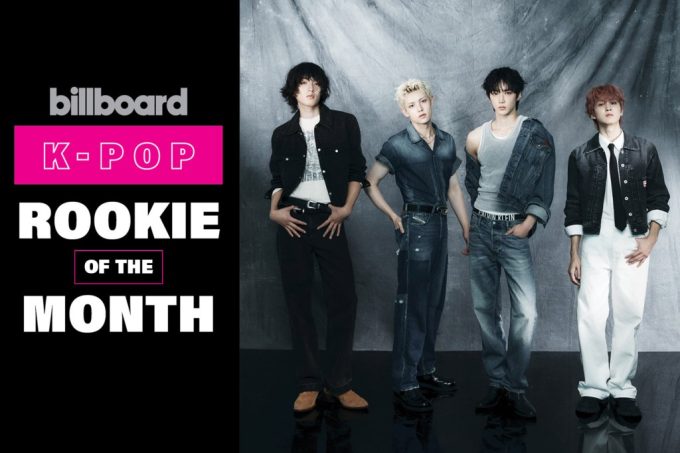
AxMxP Is K-Pop Rookie of the Month for September: Exclusive Photos
Ha Yoo Joon Image Credit: Chin Soyeon You debuted on Sept. 10....
Chris Marks2 Mins read





Leave a comment