

When Legends Are Stopped at the Door: The Thrill of Rejection
Even icons like Paul McCartney have glimpsed the sting of rejection—Denial at a Grammys after-party, deportation from Japan. These moments of exclusion reveal unexpected truths about fame, human error, and the allure of being kept out.
 Kirsten CollinsAugust 25, 20251 Mins read13
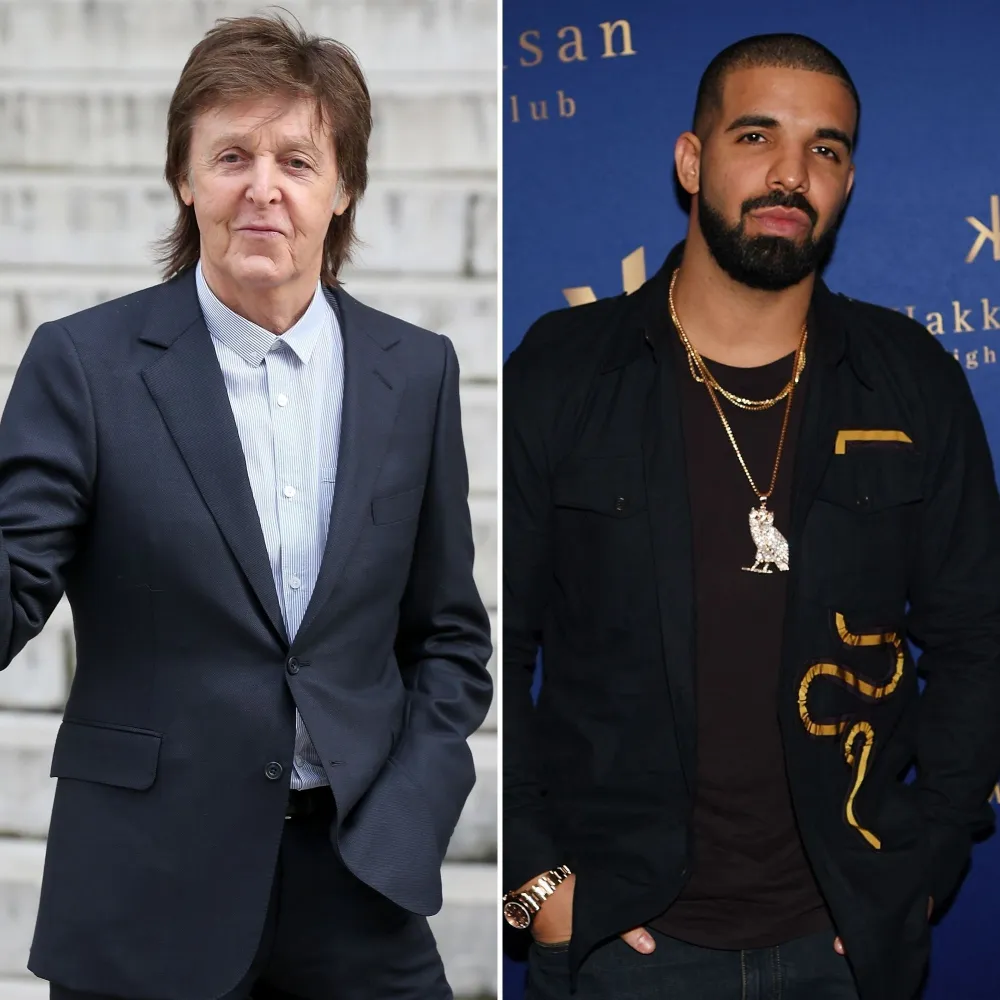
You’d think the world’s greatest songwriter would walk through any door he pleased. Yet in 2016, Sir Paul McCartney—bearded icon, legend beyond doubt—was denied entry to a post-Grammy after-party. How VIP do we gotta get? We need another hit, he quipped into the void between velvet ropes. It was a moment equal parts comic and cruel, one that exposed how even the untouchable can land on the wrong side of the guest list.
Similarly, in 1980, he found himself detained in Japan—half a pound of marijuana in his bag was too much even for a Beatle under the glare of customs. Deported and ducking headlines, he canceled a tour and left a trail of speculation behind. These incidents illuminate a gap between celebrity and sovereignty—when fame meets inflexible rule.
When the Door Becomes a Mirror
Both episodes—denial at an after-party and deportation from a country—offer more than embarrassment. They reflect on the fragility of privilege. McCartney’s wry, “How VIP do we gotta get?” wasn’t just a joke—it was a wild recognition that identity alone isn’t enough when the logic of access turns absurd.
Between Reverence and Rule
In Tokyo, Japan’s strict drug laws outweighed the hush of Beatlemania. Paul said later: “I thought I’d take it with me… it was too good to flush.” A simple phrase drenched in irony. It wasn’t lawlessness—it was human frailty disguised as calculated whim.
Both stories invite broader reflection: how do we treat those we revere when they trip human lines? Does fame elevate or isolate? In denying McCartney entry or stopping him at customs, authorities exposed the theatrical tension between idol and individual.
Today, as we scroll through Instagram highlight reels and curated personas, these reminders pulse with relevance: no high has universal immunity. Even legends stall before gates.
So the next time you look at a celebrity’s flawless frame, ask yourself: what truths are hidden by the door they nearly walked through…?







When Mercy Meets Tragedy: The Widow Who Forgave Her Husband’s Killer
The air thickens when forgiveness enters a room meant for grief. Imagine...
 Chris Marks1 Mins read

When Fear Became a Lifeline: Pete Davidson’s Reckoning in Rehab
There’s a silence that follows a mother’s voice when she confesses her...
 Joseph Bennett1 Mins read

Pete Davidson’s mom told him in rehab worst fear was learning he died
Pete Davidson is opening up about the heartbreaking moment he had with...
Chris Marks2 Mins read

Katie Couric’s Unexpected Spin on Sydney Sweeney’s American Eagle Ad: What’s Really Being Said?
Katie Couric stepping into a scene dominated by Gen Z glamour feels...
 Krista Freeland2 Mins read




Leave a comment