

Why Toddler Movies Are More Than Just Baby Babble
The cinematic world for toddlers is quietly rewriting childhood itself—these films are more than colorful distractions; they are subtle cultural scripts shaping young minds. What if the movies we pick for our littlest viewers are guiding them in ways we barely understand?
 Kirsten CollinsAugust 8, 20252 Mins read24
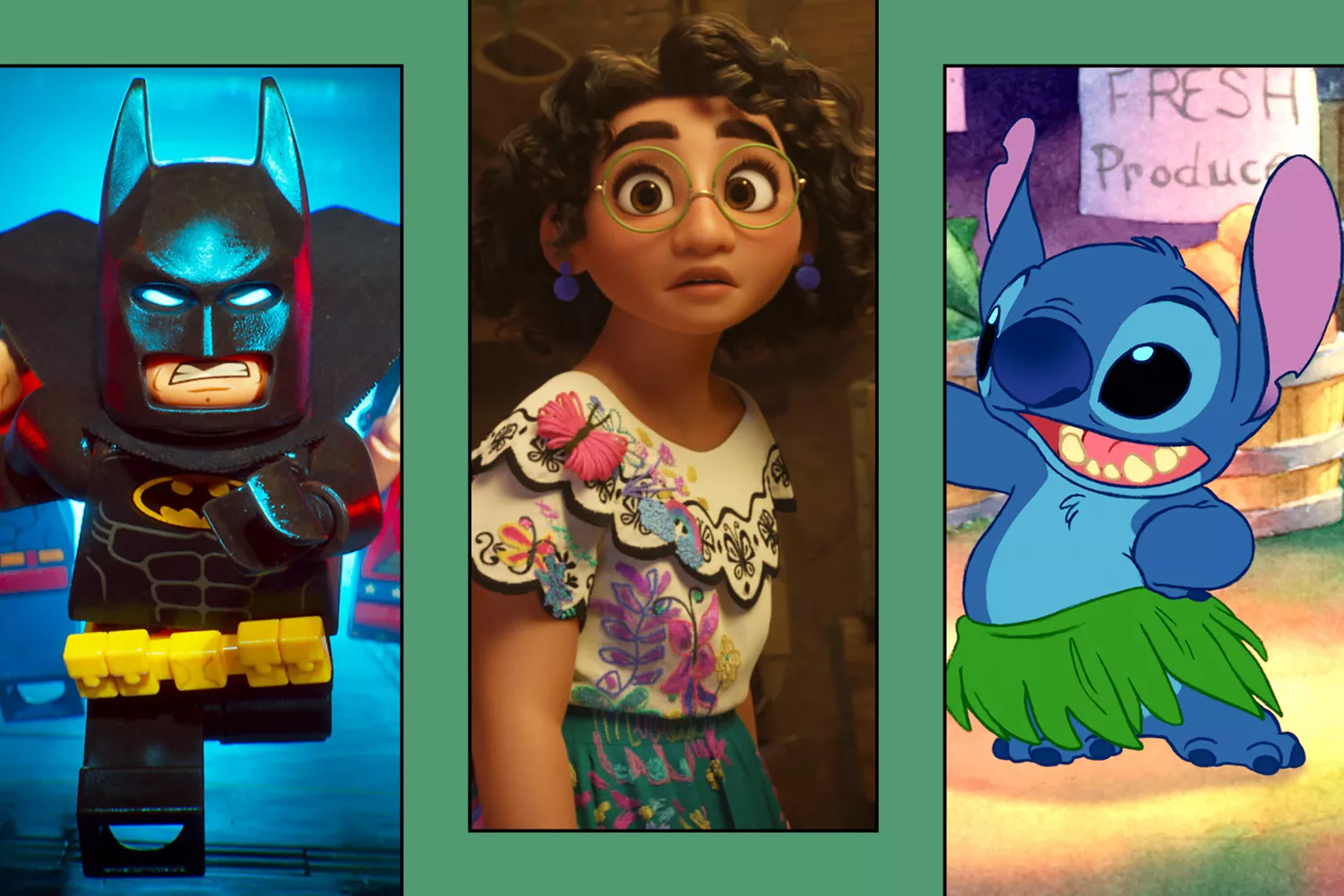
Bright colors flicker across the screen, and a tiny hand reaches out, mesmerized. The room is quiet but for the soft drone of animated voices and the occasional toddler giggle. These movies, often dismissed as mere distractions for restless children, are in fact complex, carefully curated messages sent to the youngest members of society. Are we, as parents and culture, underestimating the subtle power embedded in these infantile tales?
Behind every cuddly character and sing-along tune lies a carefully woven cultural code—a code that toddlers absorb with a startling voracity. The movies on streaming platforms have become the new lullabies, silently sculpting early perceptions of joy, fear, friendship, and even identity. Yet, how often do we interrogate the ideological subtext nestled beneath that glossy animation?
Whispers in the Animation: What Are We Really Feeding Their Minds?
Consider the latest wave of toddler films streaming into living rooms worldwide. On the surface, they offer simple lessons: sharing, kindness, patience. But these narratives often reflect deeper societal values—gender roles, diversity, consumer culture—dressed in pastel hues. As one early childhood educator remarked, “These stories don’t just entertain; they are toddlers’ first textbooks for understanding the world.” The question that haunts us: whose worldview are we imprinting on these malleable minds?
Streaming services are no longer just distributors—they are curators with algorithms that subtly prioritize certain narratives over others. This digital gatekeeping shapes the cultural diet of toddlers with a quiet but profound authority. What is selected for them says more than we might admit. Are we witnessing a new form of early cultural conditioning disguised as innocent entertainment?
The Silent Architects of Childhood
It is tempting to believe toddler movies are innocuous—a mere backdrop to snack time or nap routines. But if these films are the first stories children internalize, then they are architects of early emotional intelligence and social cognition. Films that celebrate diversity, kindness, and curiosity may nurture empathy. Conversely, those that rely on stereotypes or simplistic conflict models risk hardening the very qualities we hope to soften.
Watching a toddler’s rapt attention to a favorite character, one cannot help but feel the stakes of these early encounters. As much as these movies are about entertainment, they are about influence—shaping what a child finds familiar, comforting, and ultimately, true.
What if the animated lullabies we offer our children carry the seeds of tomorrow’s cultural divides—or bridges? The flickering screen in the nursery might just be the first stage where the future is rehearsed, but who is writing the script?





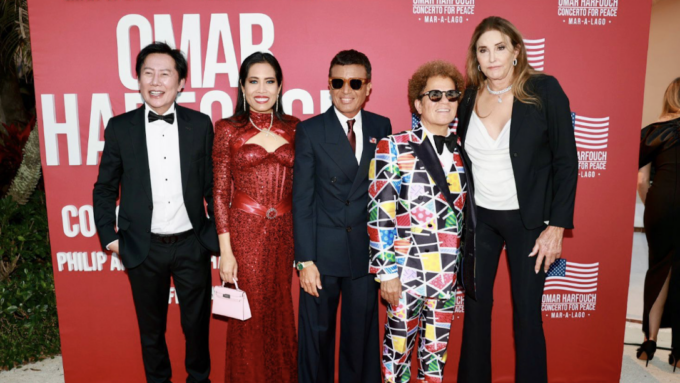
Pianist Omar Harfouch Brings Celebrated Figures Together for a Night of Cultural Exchange – Hollywood Life
Image Credit: Omar Harfouch On February 20, 2026, pianist and cultural figure...
Kirsten Collins2 Mins read
Who Is Ivana Lisette Ortiz? About the Rihanna Home Shooting Suspect – Hollywood Life
Image Credit: WWD via Getty Images The suspect in the March 8,...
Kirsten Collins1 Mins read
How Much Money Does She Have Now? – Hollywood Life
Image Credit: WWD via Getty Images Rihanna may be known as one...
Kirsten Collins2 Mins read
Stars Who Slammed ‘Love Story: JFK Jr. & Carolyn Bessette’: Statements – Hollywood Life
Image Credit: Getty Images FX’s Love Story: John F. Kennedy Jr. and...
Kirsten Collins2 Mins read





Leave a comment