

City Edition or Costume Drama? The NBA’s Fashion Revival Dares Us to Care
The Nuggets, Bucks, and Hawks just dropped their 2025–26 City Edition jerseys—and they’re not just uniforms. They're nostalgia-laced declarations, stitched with intent and corporate memory.
 Joseph BennettAugust 1, 20252 Mins read22
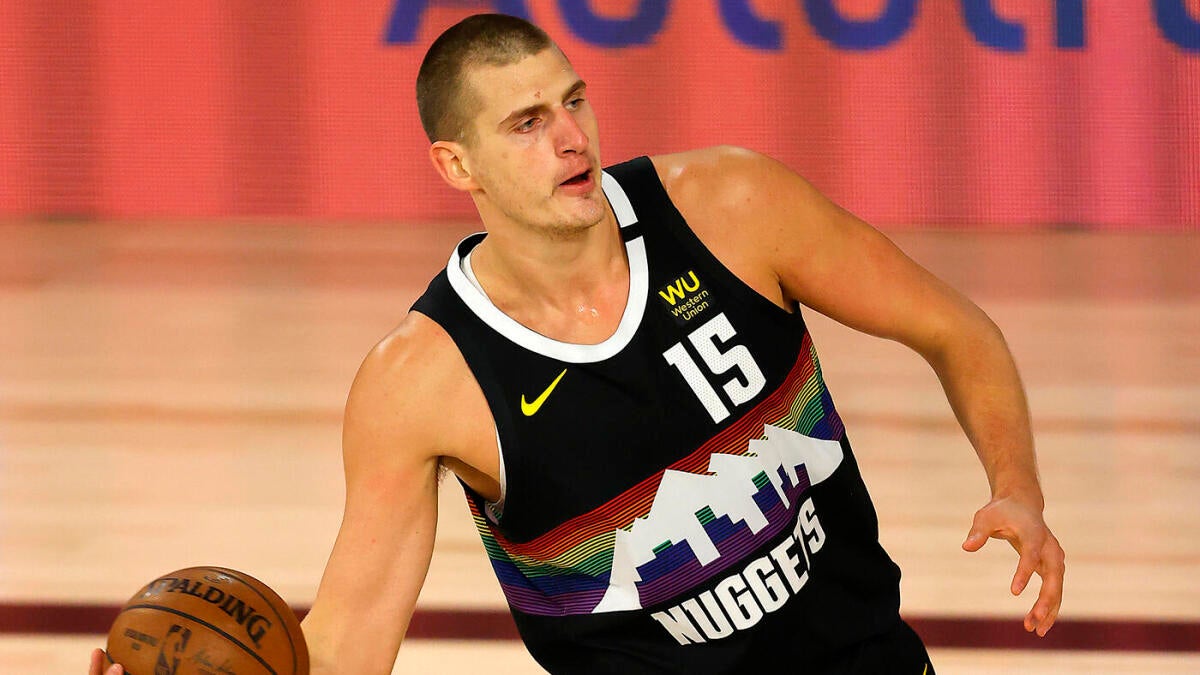
There’s something suspicious about a uniform that tries this hard to remember.
The 2025–26 NBA City Edition jerseys, freshly unveiled by the Nuggets, Bucks, and Hawks, are less about basketball and more about myth-making. Aesthetic revivalism. Team branding masquerading as emotional recall. This is fashion by way of marketing—and yet, somehow, it works. Or at least, it dares to. These aren’t just jerseys. They’re memory playbills. A return to the visual rhythms of past glories, repackaged in satin sheen and social-media-ready silhouettes.
The Denver Nuggets are glimmering in skyline gold. The Hawks have resurrected their molten 90s drama. And the Bucks? They’ve gone forest-deep and throne-bold, leaning fully into their mystic-elk era. What’s most telling is not the cut or the color—it’s the intention. These uniforms are not for the court. They are for the lens. They are for longing.
The Fabric of Franchise Mythology
What’s happening here isn’t just sportswear, it’s emotional styling. The NBA isn’t selling jerseys—it’s selling stories. Retro threads nod to nostalgia, yes, but this move goes deeper. It’s about place. About memory. About the theater of belonging. Each jersey redesign becomes a costume change in a decades-long drama of civic identity, athletic spectacle, and cultural self-invention.
“These jerseys aren’t throwbacks,” a league stylist whispered during the private preview in Atlanta. “They’re invitations—to remember who we thought we were.”
And that’s the trick, isn’t it? These are city uniforms in name only. The city, after all, is less a location and more a mood. The Hawks’ flame-colored palette doesn’t reference a zip code; it references a feeling. The Bucks’ dark forest green doesn’t mirror a landscape; it mimics a dream. Even the Nuggets, whose gold skyline pays tribute to the Mile High past, are clearly aiming for something less local and more immortal.
When Jerseys Become Symbols—and Symbols Start Selling Back
We used to wear the names of teams. Now the teams wear our nostalgia.
The NBA’s City Edition strategy feels less like a merchandising campaign and more like a sociological experiment. These new designs don’t scream for loyalty—they whisper it. They exploit our visual memory, our yearning for simplicity, our hunger for an era when sports felt less…programmed.
That’s why fans are buying. Not just the product, but the illusion. To put on this new-old jersey is to participate in a shared delusion: that maybe, for one season, your team isn’t just playing—they’re performing history. And that you, too, can suit up for a version of yourself that still believes in home-court magic.
But who decides which past is worthy of revival? Who gets to curate the memory? And when the fabric starts fading, will it still carry meaning—or just ink?






Barcelona’s Fragile Pursuit: When Injuries Threaten More Than Just a Season
A silence spreads over Camp Nou that no roar can drown out—two...
 Chris Marks2 Mins read

William Saliba: Arsenal’s Silent Architect or Its Greatest Gamble?
The air inside the Emirates shifts with unspoken tension—William Saliba, once a...
Joseph Bennett2 Mins read
Joel Embiid’s Quiet Confidence: Is the 76ers’ Giant Ready to Rewrite His Story?
Joel Embiid is rarely one to make noise without purpose, and now,...
 Kirsten Collins1 Mins read
Juventus, Atalanta, and Arsenal’s Quiet Revolution: What’s Really Shaping This Week in Football?
The roar of Serie A stadiums masks a subtle shift, one that...
Kirsten Collins2 Mins read





Leave a comment