

When Country Music Becomes a Battleground: Kelsea Ballerini’s Bold Call for Acceptance
Kelsea Ballerini is making waves—and not just for her music. In a powerful statement, she argues that artists should be free to shift genres without judgment. But in a landscape where authenticity reigns supreme, can country music afford this kind of fluidity?
 Chris MarksMay 7, 20253 Mins read245
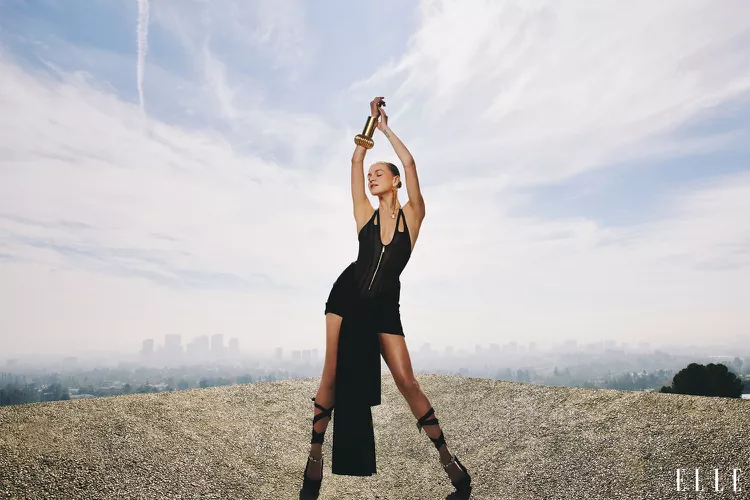
It’s a question that’s been bubbling under the surface for years: Can an artist be an artist if they keep moving between genres? Kelsea Ballerini, with her easy Southern charm and undeniable pop sensibilities, is the latest to take a stand on this shifting narrative. As artists continue to cross boundaries—tweaking, morphing, and reinventing their sound—Ballerini’s recent plea for acceptance offers a rare moment of clarity in the murky waters of musical identity.
The Double-Edged Sword of Genre Fluidity
The music world has long been obsessed with labels. Pop, rock, country, hip-hop—these are more than just genres; they’re the constructs that help define what an artist is allowed to be. But as Ballerini herself points out, these boundaries don’t just serve to help artists grow; they often box them in, trapping them in the narrow confines of fan expectations and industry norms. “Artists should be able to move into different genres without being judged for it,” she said, a sentiment that, while undoubtedly progressive, also taps into a deeper tension within the music industry. Are we ready for a world where genre fluidity is the norm, rather than the exception?
There’s a strange irony in country music, where roots run deep, and authenticity is often the price of entry. For artists like Ballerini, who began in country but now seamlessly blends pop into her work, the genre’s traditionalists may never fully embrace this shift. But what if the very notion of authenticity is what’s keeping the genre stuck in the past? Can country music, in its attempt to preserve its purity, continue to thrive in a world that demands constant reinvention?
Does Country Music Have Room for Change?
It’s no secret that country music has always been a genre fiercely protective of its traditions. But isn’t that precisely why Kelsea Ballerini’s message is so compelling? If artists—whether they’re coming from pop, R&B, or indie—can’t find a home in country music when they bring new sounds to the table, what does that say about the genre’s ability to evolve? The genre’s resistance to change often comes with a cost: the exclusion of some of the brightest, most forward-thinking talents. For every Taylor Swift, who could escape the country label to create her own empire, there are countless others who may never find a platform in the industry’s deeply entrenched hierarchy.
Ballerini’s bold call to action is a reminder that the very essence of music lies in its ability to adapt and transcend boundaries. After all, isn’t the history of country music itself built on breaking norms? From Johnny Cash’s raw, rebellious spirit to Dolly Parton’s daring mix of folk, gospel, and pop, the genre has been shaped by icons who blurred the lines. In this sense, Ballerini is not so much an outsider but a part of a long legacy of artists who refused to be confined to their roots.
The Fine Line Between Artistry and Marketing
Perhaps the most profound question raised by Ballerini’s plea is whether the fear of judgment is more about artistic integrity or commercial gain. In today’s music industry, shifting genres is not just an artistic decision; it’s a marketing strategy, a way to stay relevant in a saturated market. For an artist like Ballerini, whose career has pivoted between pop and country, the move isn’t just about sound—it’s about survival. In a world where algorithms dictate the hits, can an artist afford to remain tethered to a single genre, especially when their creativity knows no such boundaries?
At the heart of this debate is a fundamental issue: How much of our taste is shaped by our perception of authenticity? When an artist switches genres, they’re not just changing their sound; they’re challenging everything we think we know about them. But isn’t that exactly what makes music worth listening to? The constant tension between expectation and innovation, authenticity and reinvention, is what keeps us engaged in the stories of our favorite artists.
Where Do We Draw the Line?
As Ballerini’s message resonates, one has to ask: When did the act of genre-hopping become so controversial? If we are truly committed to celebrating artistry, then the movement between musical genres should be seen as an extension of that very creativity. But then again, in a world obsessed with purity, where does that leave the artists who dare to defy the rules?
Kelsea Ballerini has boldly called for change, and perhaps, in doing so, she’s illuminated an uncomfortable truth about how music—and our expectations of it—has become increasingly rigid. In a universe where genre labels are more about survival than self-expression, Ballerini’s plea might be the first step toward a more inclusive future. But then again, maybe country music, in its very essence, will always be the one genre where artists are forced to choose sides.
And as for Ballerini herself? She’s a reminder that the line between artist and brand is more porous than ever—and that perhaps the future of music lies not in its purity, but in its ability to constantly reinvent itself.







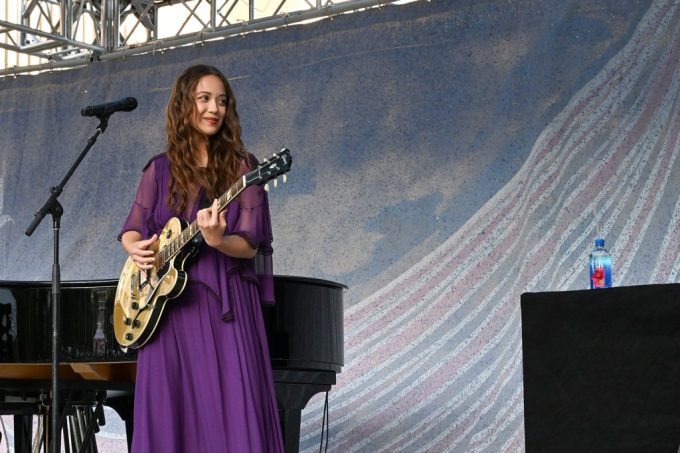
Laufey’s Opening Night Show at LA’s Crypto.com Arena: Best Moments
Laufey opened a two-night stand at Crypto.com Arena in downtown Los Angeles...
Chris Marks6 Mins read
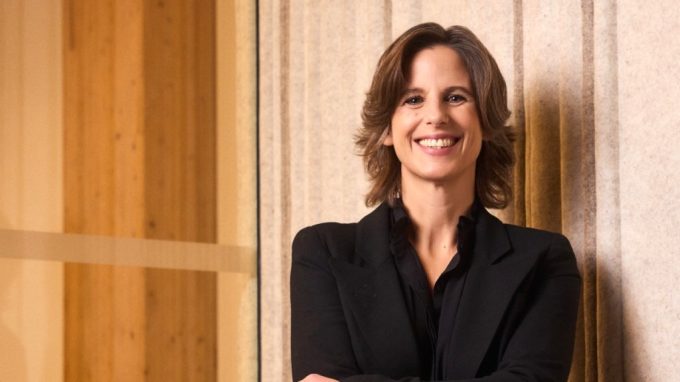
Julie Adam Is Billboard Canada Women in Music’s 2025 Exec of the Year
Julie Adam is having a milestone year — and it’s getting even...
Chris Marks4 Mins read
Spinal Tap Tribute Album with Foo Fighters,Tool for Teen Cancer America
Spinal Tap may be a fake band, but its music is very...
Chris Marks2 Mins read
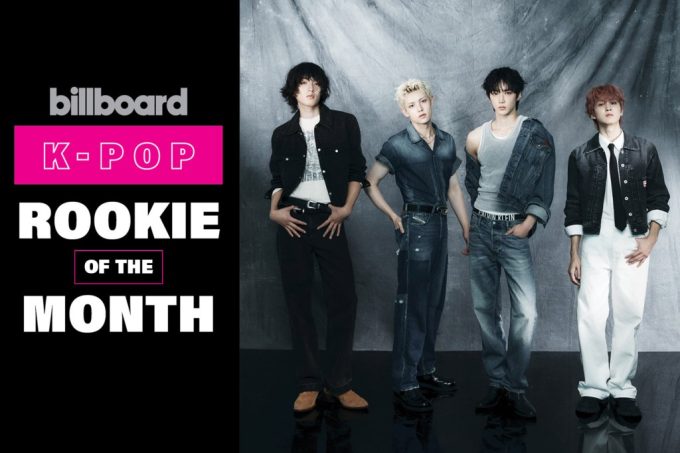
AxMxP Is K-Pop Rookie of the Month for September: Exclusive Photos
Ha Yoo Joon Image Credit: Chin Soyeon You debuted on Sept. 10....
Chris Marks2 Mins read





Leave a comment