

Los Alegres del Barranco: When Music Crosses the Line
The U.S. State Department's recent revocation of visas for Mexican band Los Alegres del Barranco, following their onstage homage to cartel leader El Mencho, sparks a heated debate on the fine line between artistic expression and the glorification of criminal figures.
 Krista FreelandApril 2, 20251 Mins read192
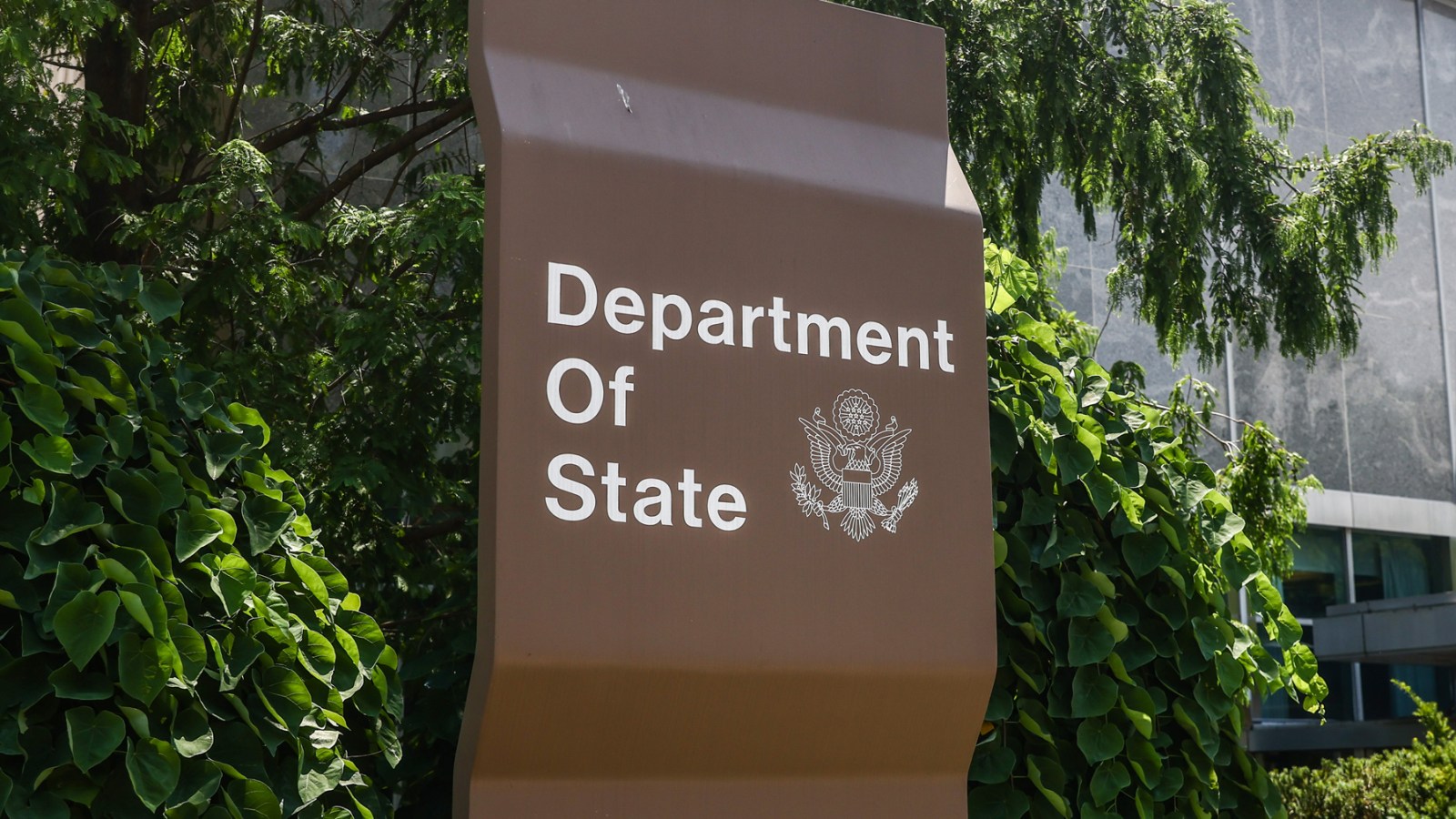
When does a melody morph from mere entertainment into a contentious political statement? Los Alegres del Barranco, a band synonymous with the narcocorrido genre, recently found themselves at the epicenter of this debate. Their decision to project an image of Nemesio Oseguera Cervantes, alias “El Mencho,” during a live performance in Zapopan, Jalisco, has led to the U.S. State Department revoking their visas.
The Performance That Sparked Outrage
During their concert, the band showcased visuals of El Mencho, the notorious leader of the Jalisco New Generation Cartel (CJNG), layered over flames—a move perceived by many as an endorsement of his criminal endeavors. This act didn’t just ruffle feathers; it ignited a firestorm. Deputy Secretary of State Christopher Landau minced no words, stating, “We will not roll out the red carpet for individuals who exalt criminals and terrorists.”
A Pattern of Provocation?
This isn’t the band’s first dalliance with controversy. Known for their narcocorridos—ballads that romanticize the exploits of drug lords—Los Alegres del Barranco have previously serenaded figures like Joaquín “El Chapo” Guzmán. While some argue this is merely storytelling, others see it as dangerous glorification.
The Ripple Effect
The repercussions were swift. Concerts canceled, investigations launched, and a broader conversation reignited about the role of music in shaping societal perceptions. Even Mexico’s President, Claudia Sheinbaum, weighed in, emphasizing the need for artists to be mindful of their influence.
Final Reflection
As the dust settles, one must ponder: Where should the line be drawn between artistic freedom and social responsibility? In a world where music holds immense sway, can artists afford to be oblivious to the messages they propagate? And perhaps most pressingly, will this incident serve as a cautionary tale or merely a footnote in the ongoing narrative of narcocorridos?







Laufey’s Opening Night Show at LA’s Crypto.com Arena: Best Moments
Laufey opened a two-night stand at Crypto.com Arena in downtown Los Angeles...
 Chris Marks6 Mins read
Julie Adam Is Billboard Canada Women in Music’s 2025 Exec of the Year
Julie Adam is having a milestone year — and it’s getting even...
Chris Marks4 Mins read
Spinal Tap Tribute Album with Foo Fighters,Tool for Teen Cancer America
Spinal Tap may be a fake band, but its music is very...
Chris Marks2 Mins read

AxMxP Is K-Pop Rookie of the Month for September: Exclusive Photos
Ha Yoo Joon Image Credit: Chin Soyeon You debuted on Sept. 10....
Chris Marks2 Mins read





Leave a comment