

Lou Reed’s ‘Hudson River Wind Meditations’: The Sound of a Man Trying to Disappear
In Hudson River Wind Meditations, Lou Reed trades guitars for stillness and distortion for breath. But what does a rock icon sound like when he finally stops performing?
 Kirsten CollinsJanuary 13, 20241 Mins read57
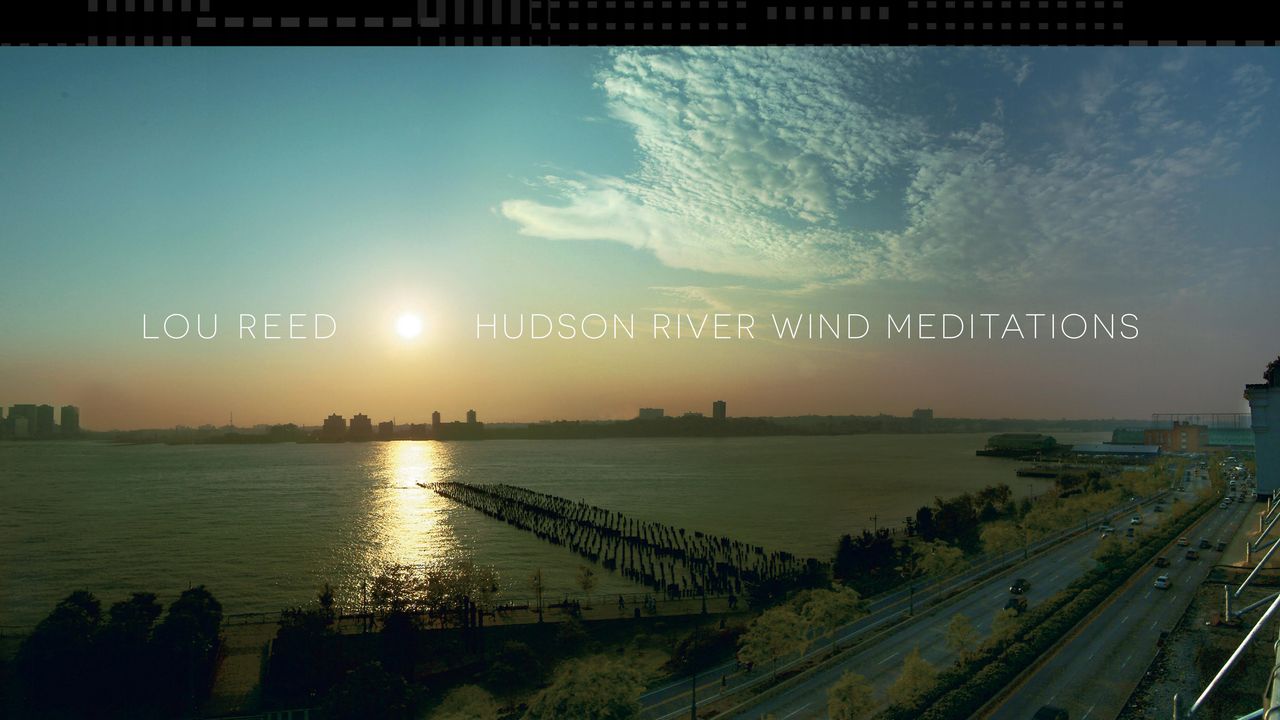
There is no guitar. No sneer. No street. Hudson River Wind Meditations begins not with a bang, but a breath—drawn out, repeated, ritualized. And in that breath, Lou Reed ceases to be Lou Reed.
Originally released in 2007 and now reissued to new ears and old expectations, this album is not for fans of Transformer or White Light/White Heat. There are no lyrics, no hooks, no drama. Just tone. Just hush. Just a steady, glacial unfolding of sound that seems less concerned with music than with presence.
When a Provocateur Chooses Silence
What makes this album so unnerving is not its structure but its refusal of one. Reed, forever the downtown oracle of defiance and decadence, offers here something close to monastic. The compositions—if they can be called that—drift like vapor. Frequencies modulate gently, like wind through cracked windows. It’s not background music. It’s not even ambient. It’s personal. Spiritual, almost.
At the time of its original release, Reed described it as “music for yoga and bodywork.” But even that feels like camouflage. Because what’s here is not wellness—it’s withdrawal. It’s the sound of a man stepping back from the noise of myth, into something quieter. Something harder to mythologize.
Legacy Without Volume
There’s no catharsis. No hidden rebellion. Only the raw discomfort of stillness. And yet, that choice—to do nothing, to say nothing—might be the most radical gesture of Reed’s late career. In an age of constant performance, he dares to vanish.
The wind in this album isn’t a metaphor. It’s an element. Uncontrolled. Unpackaged. Unconcerned with your attention span. Reed, so long the alchemist of distortion, gives us nothing but room. Space to feel. Or to retreat.
And in that space, one question lingers longer than the final tone: What if this—this quiet, this vanishing—was the most honest music he ever made?






Laufey’s Opening Night Show at LA’s Crypto.com Arena: Best Moments
Laufey opened a two-night stand at Crypto.com Arena in downtown Los Angeles...
 Chris Marks6 Mins read

Julie Adam Is Billboard Canada Women in Music’s 2025 Exec of the Year
Julie Adam is having a milestone year — and it’s getting even...
Chris Marks4 Mins read

Spinal Tap Tribute Album with Foo Fighters,Tool for Teen Cancer America
Spinal Tap may be a fake band, but its music is very...
Chris Marks2 Mins read

AxMxP Is K-Pop Rookie of the Month for September: Exclusive Photos
Ha Yoo Joon Image Credit: Chin Soyeon You debuted on Sept. 10....
Chris Marks2 Mins read





Leave a comment