

The Case That Vanished: Why Blake Lively Let the Silence Win
Blake Lively’s quiet exit from a high-profile investigation into three YouTubers—connected to Justin Baldoni’s legal tensions—raises more questions than it answers. In a digital age ruled by receipts and retribution, her retreat feels louder than any lawsuit.
 Joseph BennettJuly 28, 20252 Mins read16
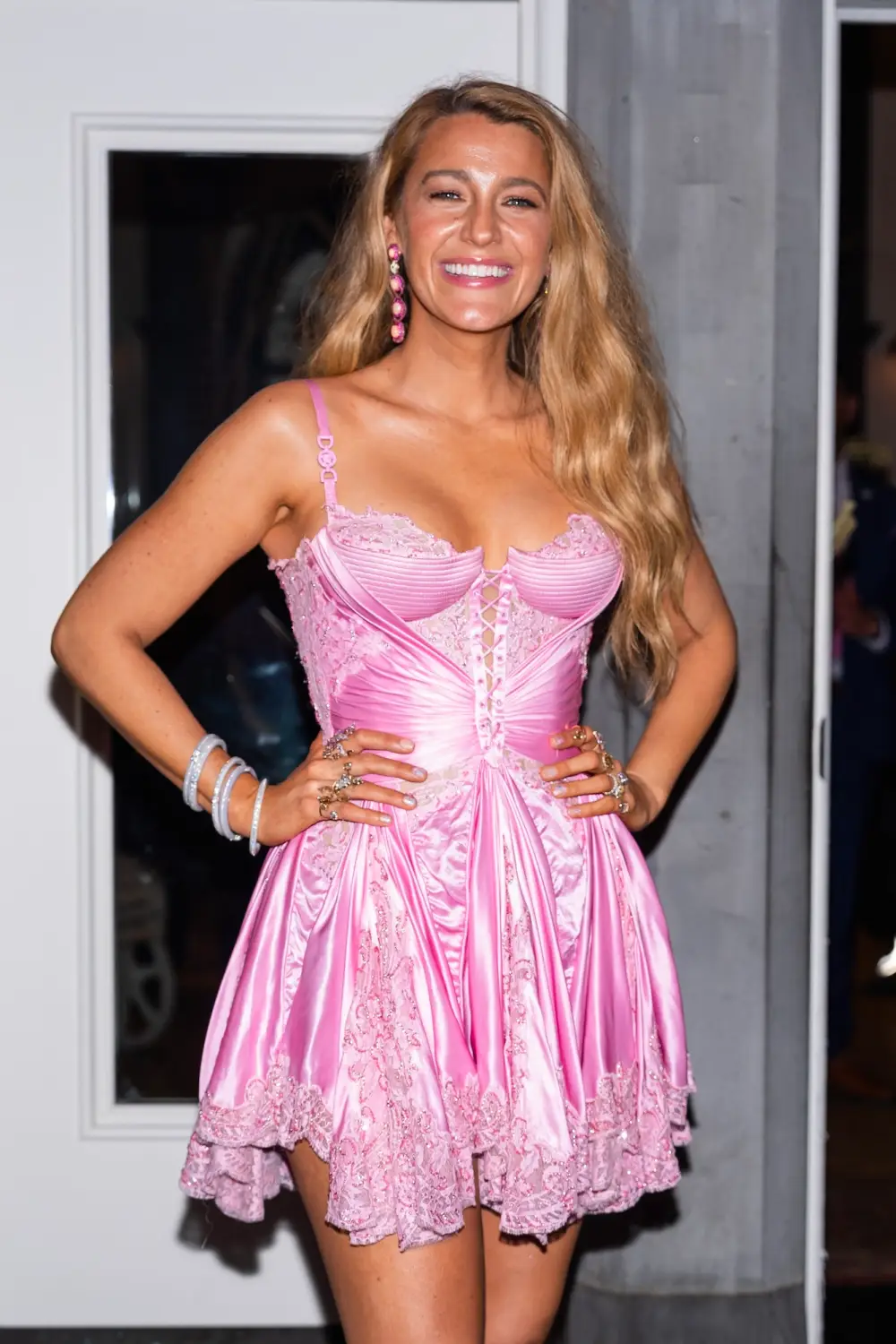
They came with thumbnails, theories, and timestamps. She came with a lawyer.
For a moment, it looked like Blake Lively—one of Hollywood’s most meticulously composed figures—was ready to claw back control from the chaos of YouTube sensationalism. The kind where three influencers, emboldened by clicks and comment counts, began whispering allegations too sticky to ignore. At the center: Justin Baldoni, a man better known for dismantling toxic masculinity than dancing with scandal. The accusations were fuzzy. The reactions were fast. And then came silence.
Now, in a move that feels more like erasure than closure, Blake Lively has reportedly dropped the investigation. No press conference. No public clarification. No clear win. Just absence. A disappearing act in slow motion.
When Power Decides Not to Flex
This wasn’t just any trio of amateur commentators. These were digital-era town criers, weaponizing speculation and soft-voiced concern into narrative currency. What they lacked in evidence, they made up for in engagement. And for a while, it looked like they’d be made an example of—until they weren’t.
What changed? Some whisper it was a legal strategy gone soft. Others sense optics management—Lively preserving her golden-hour brand by stepping out of the courtroom and back into the curated light. One entertainment attorney quipped off the record, “Sometimes the truth is more expensive than the lie.” A haunting thought. Especially when the internet already believes what it wants.
There’s an eeriness to the way it all unraveled—or rather, didn’t. As if the story’s center gave way, leaving only headlines and half-closed tabs in its wake.
Celebrity Justice Isn’t Made for Virality
There was a time when stars controlled their stories with carefully worded exclusives and Vogue spreads. But now, narratives explode in real-time, framed not by journalists but by reaction videos, algorithm gods, and misinformed comment sections. Lively’s case was less about defamation and more about control—who has it, who loses it, and how quickly the tide turns when viewers double as jurors.
By backing away, Blake may have avoided a courtroom victory that could have doubled as a PR loss. Or maybe she realized that fighting shadows only multiplies them. Either way, her silence has a sharpness to it. It leaves the audience suspended—no vindication, no villain, just vacuum.
And vacuum, in the age of overexposure, is almost avant-garde.
So where does that leave Justin Baldoni, a man now brushed by controversy without formal accusation? And the three YouTubers—now free to monetize the silence they helped create? The questions hum louder in the quiet.
Perhaps that’s the point. Perhaps Blake Lively knew that in a world where everyone demands a side, the most radical move is to refuse the stage entirely. Or maybe—just maybe—the performance never stopped.



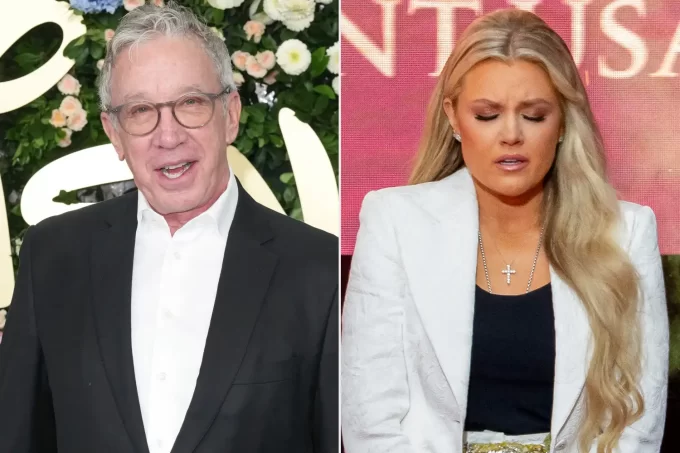
When Mercy Meets Tragedy: The Widow Who Forgave Her Husband’s Killer
The air thickens when forgiveness enters a room meant for grief. Imagine...
 Chris Marks1 Mins read
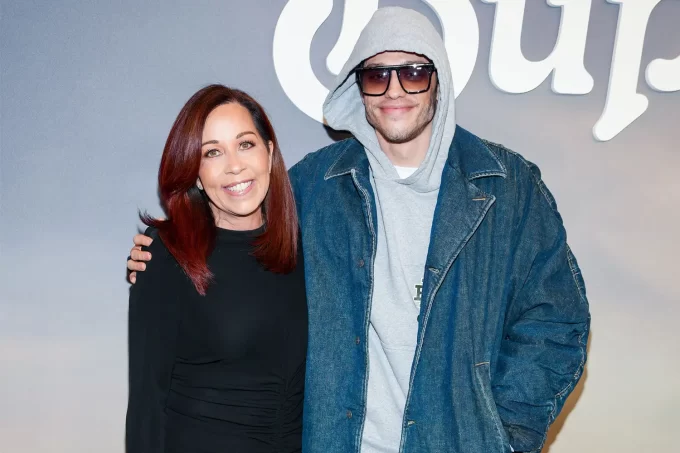
When Fear Became a Lifeline: Pete Davidson’s Reckoning in Rehab
There’s a silence that follows a mother’s voice when she confesses her...
Joseph Bennett1 Mins read
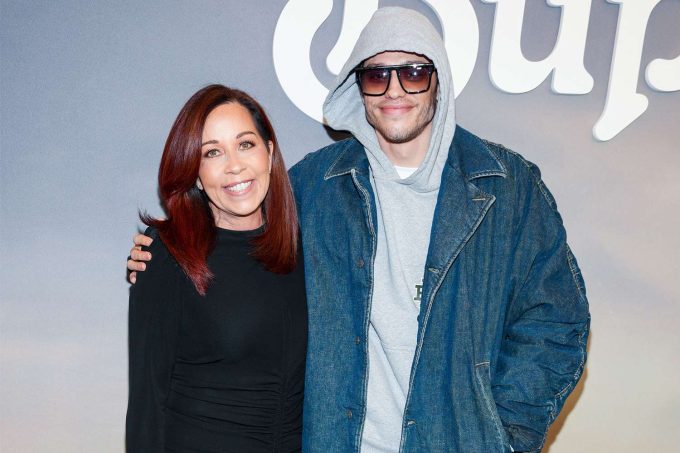
Pete Davidson’s mom told him in rehab worst fear was learning he died
Pete Davidson is opening up about the heartbreaking moment he had with...
Chris Marks2 Mins read
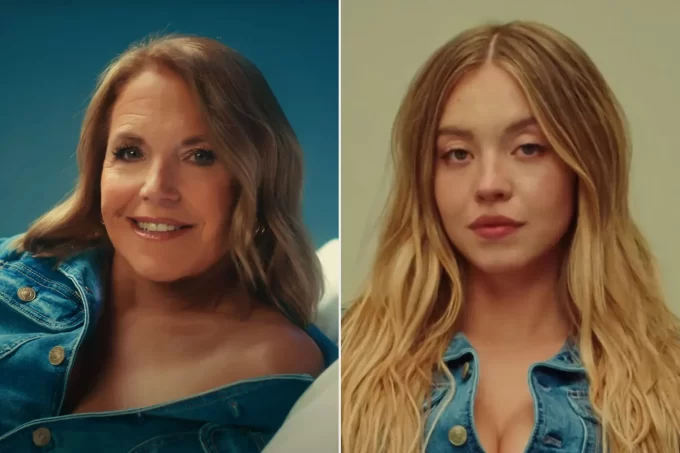
Katie Couric’s Unexpected Spin on Sydney Sweeney’s American Eagle Ad: What’s Really Being Said?
Katie Couric stepping into a scene dominated by Gen Z glamour feels...
 Krista Freeland2 Mins read



Leave a comment