

What Happens When Little Voices Start Roaring?
Luvvie Ajayi Jones isn’t just writing for kids—she’s weaponizing their words with courage, humor, and unapologetic volume. The question is: are adults ready to listen?
 Chris MarksMay 6, 20251 Mins read30
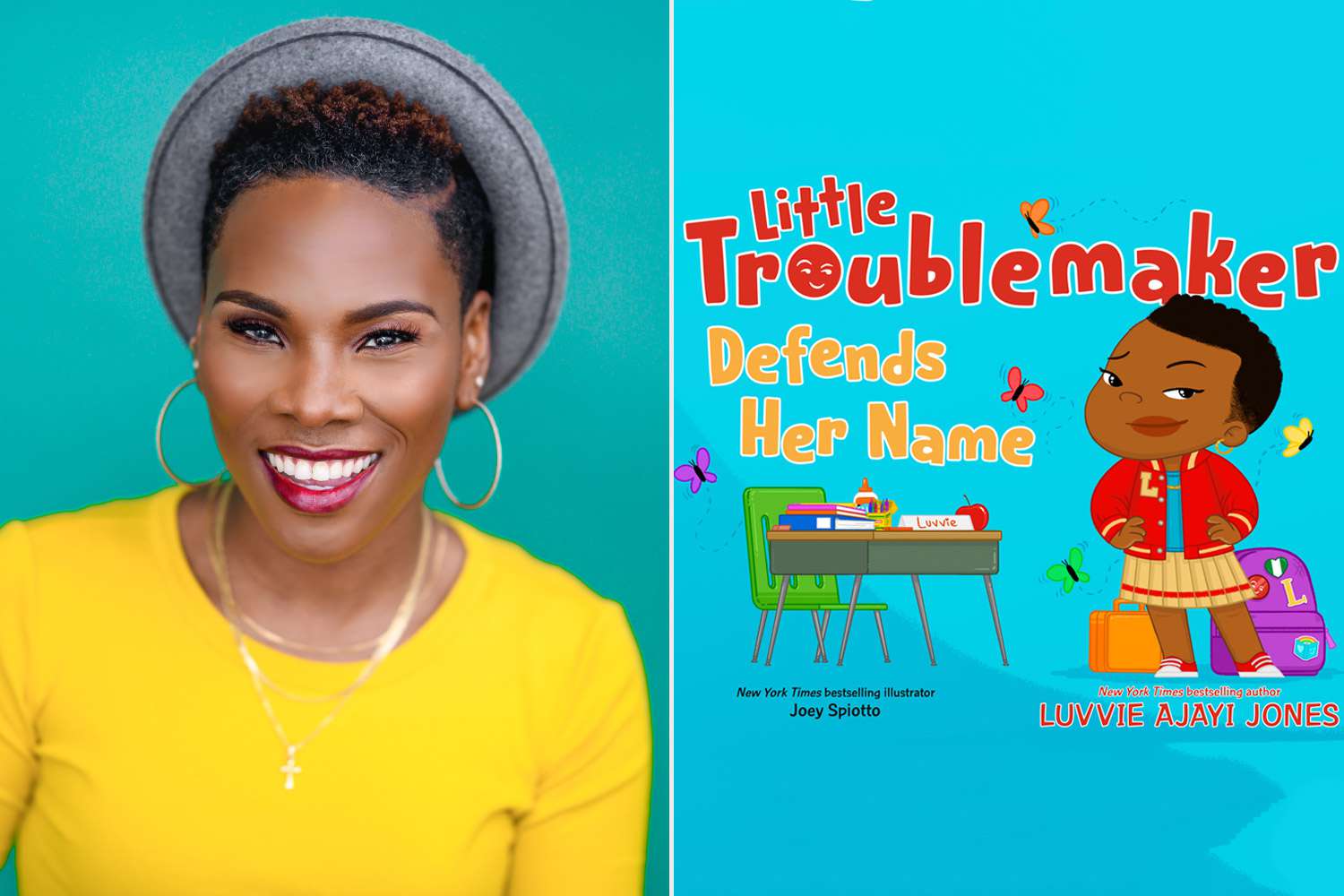
Kesha Lambert;Penguin Random House
The most dangerous thing you can put in a child’s hand isn’t a screen. It’s a voice. And Luvvie Ajayi Jones, ever the cultural instigator, knows it. Her new book may be wrapped in cheerful illustration and aimed at tiny hands, but its real purpose cuts sharper than any adult memoir you’ll find in a bestseller pile. It doesn’t just encourage kids to speak up—it dares them to do it loudly.
What happens when you teach a child to challenge, question, assert? You unravel the fragile adult illusion that deference equals discipline. This isn’t a book about manners. It’s about magnitude. Jones writes with clarity, wit, and something more subversive: permission. She’s not raising polite citizens. She’s nurturing tiny revolutionaries in light-up sneakers.
Where Empowerment Meets Rebellion
There’s a moment—quiet, but deliberate—where a child in Jones’s story asks, “Why can’t I say no?” It’s not a tantrum. It’s philosophy. That line, feather-light on the page, hits like a cultural sledgehammer. Because “no” from a child has never been neutral. It threatens the scaffolding of every power structure we’ve inherited—home, school, system.
And isn’t that the point? Jones isn’t new to this terrain. Her adult work has always walked the tightrope between humor and reckoning. But here, she trades adult cynicism for something more radical: hope. Hope that children who are allowed to speak freely might grow up needing fewer apologies, fewer therapists, fewer years lost to silence.
The Politeness Pandemic
We’ve long trained kids to shrink their instincts in favor of neatness. Smile. Sit. Stay small. But Jones’s story is a stylish rebuttal to that cultural grooming. It suggests that compliance, while comfortable for parents and teachers, is often the quietest form of erasure. “Your voice is your superpower,” the book declares, almost too softly—until you realize how many grown-ups never heard that sentence themselves.
This isn’t about loudness for the sake of volume. It’s about reclaiming language as a form of defense, dignity, and, yes, delight. Jones doesn’t just hand children a mic—she dares them to keep it turned on, even when adults wince. Especially when adults wince.
So now that the kids are speaking—what, exactly, are we afraid they might say?







When “107 Days” Meets Outcry: Harris’s Book Tour Interrupted
The microphone crackled to life, and before Harris could finish her opening...
Chris Marks1 Mins read
Whispers in the Shadows: Why Holly Black’s Sequel Is a Dark Invitation We Can’t Ignore
The night isn’t just dark—it’s ravenous, greedy, and it’s coming for you....
Chris Marks2 Mins read

Why Stephenie Meyer’s Regret About Edward Changes Everything You Thought You Knew
The moment Stephenie Meyer admitted she wouldn’t pick Edward Cullen today, a...
Chris Marks2 Mins read
When Fear, Fury & Feathers Collide: Cinema, Superheroes, and a Confessional Album
Open with tension—the kind that threads through a scream, a reveal, and...
Chris Marks2 Mins read





Leave a comment