

The Cult of Contempt: Why Everyone Says They Hate Machine Gun Kelly
Machine Gun Kelly insists people only pretend to hate him to fit in. But what if the punchline has become the prophet—and pop culture is too cool to admit it?
 Chris MarksAugust 6, 20252 Mins read14
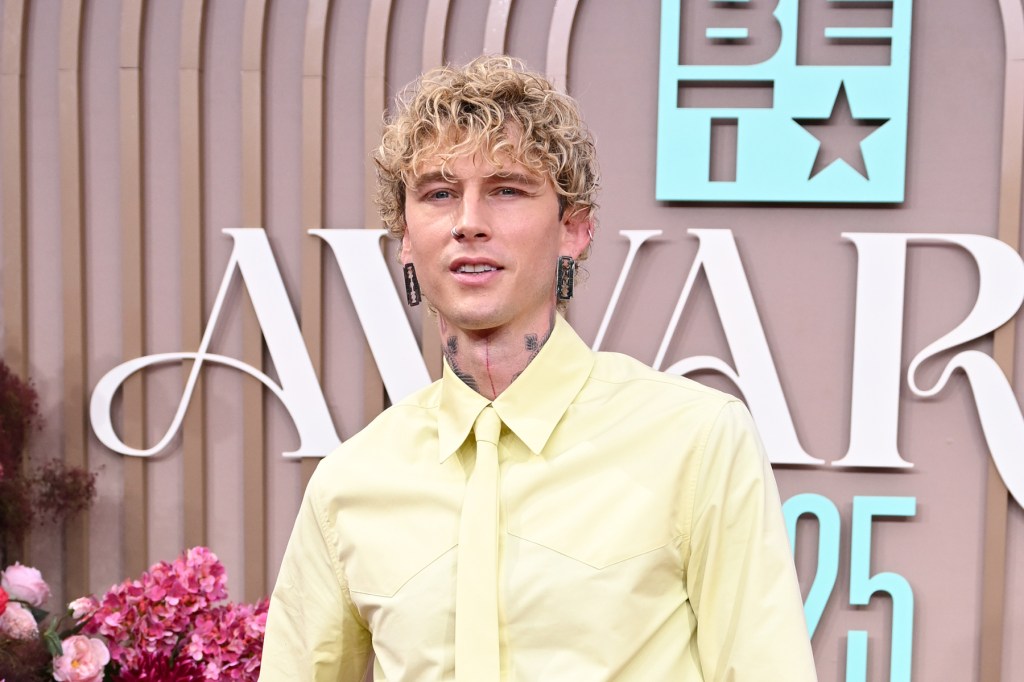
He’s not the villain—but he plays one exquisitely. In the theatre of modern fame, Machine Gun Kelly has become a kind of cultural Rorschach test: everyone sees what they want to see, and most of them claim to see the worst. The hair? The pink suits? The Megan Fox phase? Pick a reason—any reason. But recently, MGK shrugged the hate off with an almost philosophical clarity: “People pretend to hate me to fit in.”
And maybe—just maybe—he’s right.
After all, we don’t cancel Machine Gun Kelly. We cosplay his downfall. We wear our distaste like a fashion statement, all while streaming his singles on repeat. The contradiction is almost poetic: loathe in public, love in private. And beneath the tattoos and tabloid bait, he’s quietly achieved what few artists ever do—he’s become unignorable.
When the Villain Is Also the Vibe
MGK’s rebrand from wiry rapper to bleach-blond punk prince wasn’t just aesthetic—it was strategic. He leaned into the absurdity, the performance, the spectacle of being polarizing. And the more ridiculous it became, the more interesting he was to watch. While critics called it a midlife crisis in real-time, he was busy crafting an identity that outlasts genre.
There’s a danger in underestimating the spectacle. We mistake attention for accident. But what if MGK’s persona is a well-calibrated mirror? If people hate him because he makes them feel something—anything—then isn’t that the job? “I don’t think people really hate me,” he said. “I think they hate that I’m still here.” It’s hard to disagree.
This is where pop culture gets uncomfortable. We mock the ones who make us question what we’d do for relevance. We cheer when they fall—but deep down, we know we’d trade places in a heartbeat. MGK isn’t punk rock. He’s not hip hop. He’s something weirder: post-genre, post-authenticity, post-irony.
The Fame Game’s Favorite Scapegoat
It’s too easy to frame MGK as a punchline. That’s how we keep him manageable—through memes, think pieces, and sarcastic tweets. But history has a habit of revising itself. Marilyn Manson was once a joke. So was Paris Hilton. So was Madonna. Fame has a long memory and a short attention span.
What Machine Gun Kelly has done, rather brazenly, is weaponize the discomfort we feel around unfiltered ambition. His songs bleed out like diary entries scrawled on hotel walls. His relationships unravel in public with the theatrics of a live-action Tumblr post. And somehow, we’re still watching. Still reacting. Still pretending we’re not in on it.
And isn’t that the real performance?
Some artists are loved. Some are loathed. And then there are the ones we pretend not to notice, just loudly enough to convince ourselves we’re better than the noise. But noise has its own kind of melody, and MGK seems to understand this better than most.
So the next time someone says they “can’t stand him,” ask yourself this: Who are they really trying to impress?







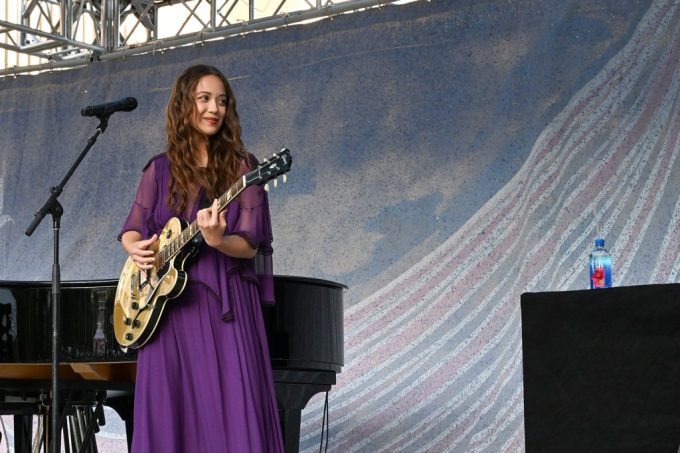
Laufey’s Opening Night Show at LA’s Crypto.com Arena: Best Moments
Laufey opened a two-night stand at Crypto.com Arena in downtown Los Angeles...
Chris Marks6 Mins read

Julie Adam Is Billboard Canada Women in Music’s 2025 Exec of the Year
Julie Adam is having a milestone year — and it’s getting even...
Chris Marks4 Mins read
Spinal Tap Tribute Album with Foo Fighters,Tool for Teen Cancer America
Spinal Tap may be a fake band, but its music is very...
Chris Marks2 Mins read
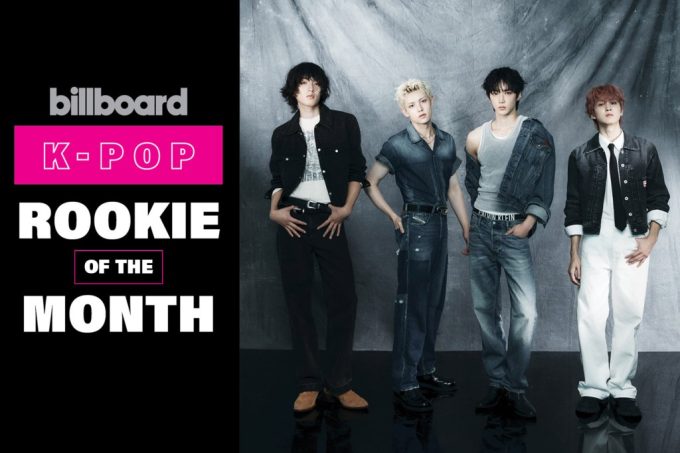
AxMxP Is K-Pop Rookie of the Month for September: Exclusive Photos
Ha Yoo Joon Image Credit: Chin Soyeon You debuted on Sept. 10....
Chris Marks2 Mins read





Leave a comment