

When the Ax Swings for Real: Madelaine Petsch’s Raw Moment in Strangers
Madelaine Petsch’s confession about a real ax nearly striking her head on the set of Strangers blurs the line between staged horror and genuine fear—how much risk do actors truly endure for authenticity?
 Chris MarksJuly 25, 20251 Mins read25
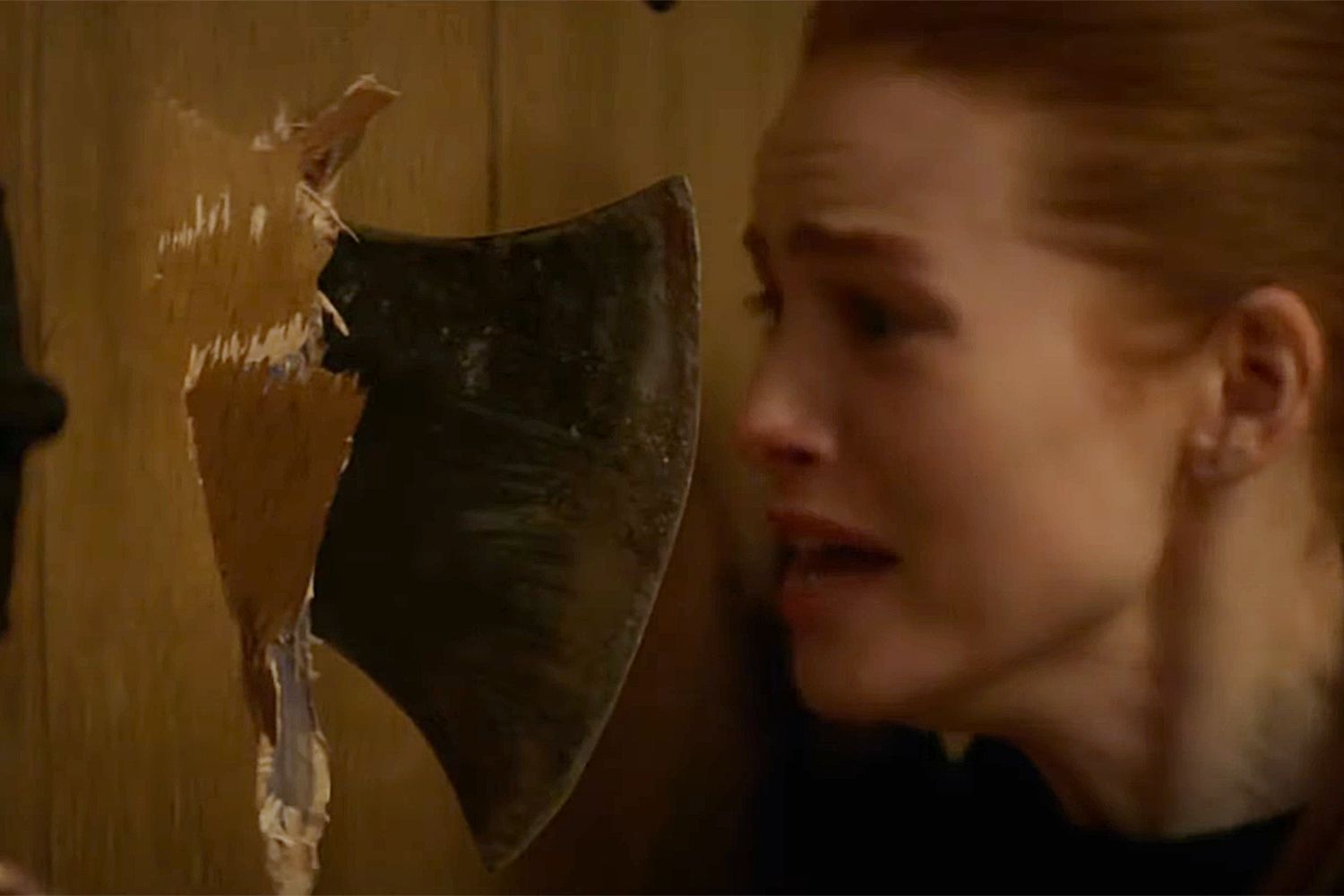
Lionsgate
The ax wasn’t supposed to come that close. Yet, there it was—whistling through the air toward Madelaine Petsch’s head on the set of Strangers. One might imagine it was all carefully choreographed, a safe dance between performer and prop. But the truth slithers in the margins, where fear and adrenaline collide into something dangerously real.
How often do we blur the line between performance and peril? In the world of horror filmmaking, the illusion of terror is everything—yet sometimes, terror is disturbingly genuine.
Edge of the Frame, Edge of Control
There’s an old Hollywood myth that “the show must go on” regardless of risk, but Petsch’s story cuts through that like an ax itself. “I remember thinking, ‘This is it,’” she said, voice steady but eyes betraying a flicker of disbelief. That moment of vulnerability exposes an unspoken tension in cinema: how much danger is too much in pursuit of raw authenticity? The ax scene wasn’t a mere stunt; it was a brush with chaos that almost rewrote the script of safety on set.
This unsettling episode invites a deeper question—what does it say about the industry that danger still looms behind the polished veneer of production? And who bears the real cost?
Blood, Sweat, and the Price of Realism
Madelaine Petsch’s ordeal doesn’t just illuminate a single near-miss; it reflects a broader cultural hunger for authenticity that pushes artists to the brink. Horror relies on convincing its audience of imminent threat, but when that threat inches from illusion to reality, the stakes skyrocket. It’s a paradox of art and survival, a balance as precarious as the ax’s arc.
The story doesn’t end on set—its echo lingers in the silent spaces between takes, in conversations about safety protocols and artistic ambition. The final cut may thrill us, but at what unseen cost? When does realism stop being a craft and start becoming recklessness?
The ax swung, the scene was shot, and Petsch survived. But the real question pulses beneath it all: how many artists risk more than their characters’ lives to tell stories that grip us so fiercely?





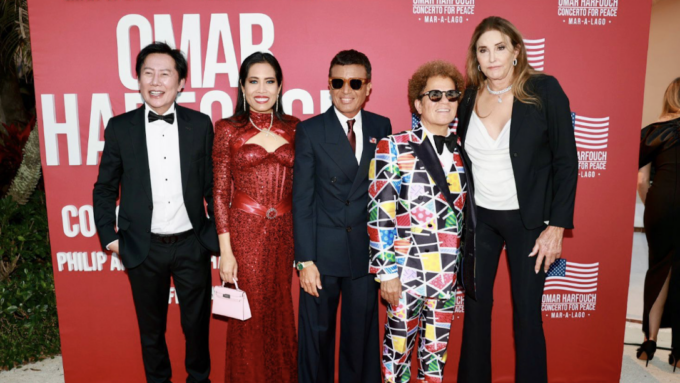
Pianist Omar Harfouch Brings Celebrated Figures Together for a Night of Cultural Exchange – Hollywood Life
Image Credit: Omar Harfouch On February 20, 2026, pianist and cultural figure...
 Kirsten Collins2 Mins read
Who Is Ivana Lisette Ortiz? About the Rihanna Home Shooting Suspect – Hollywood Life
Image Credit: WWD via Getty Images The suspect in the March 8,...
Kirsten Collins1 Mins read
How Much Money Does She Have Now? – Hollywood Life
Image Credit: WWD via Getty Images Rihanna may be known as one...
Kirsten Collins2 Mins read
Stars Who Slammed ‘Love Story: JFK Jr. & Carolyn Bessette’: Statements – Hollywood Life
Image Credit: Getty Images FX’s Love Story: John F. Kennedy Jr. and...
Kirsten Collins2 Mins read





Leave a comment