

Make America Healthy Again? Why HHS’s Transformation May Be More Politics Than Public Health
The U.S. Department of Health and Human Services is unveiling a sweeping new plan to “Make America Healthy Again”—but behind the red-white-and-blue slogan lies a policy shift that feels more like branding than medicine.
 Krista FreelandMarch 27, 20251 Mins read93
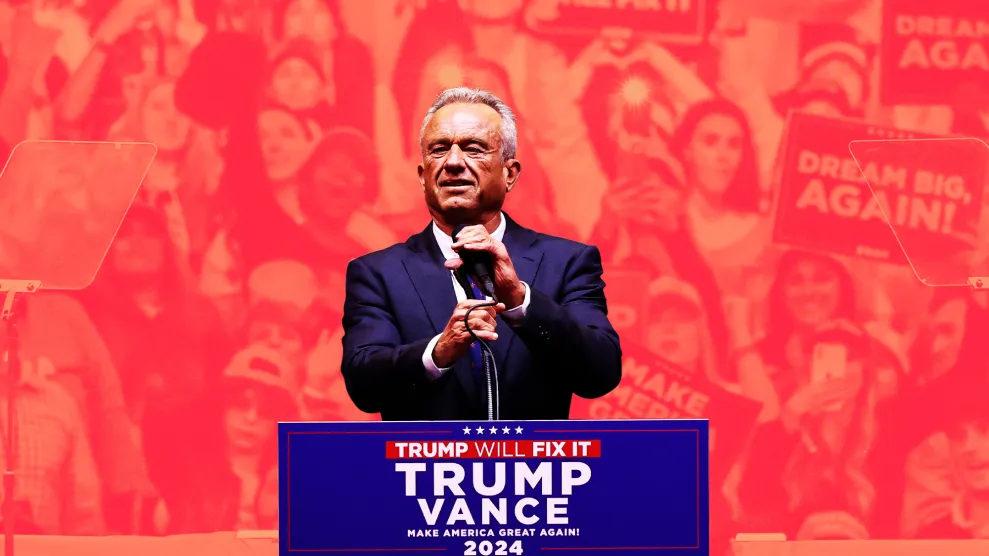
The slogan feels familiar—deliberately so. “Make America Healthy Again” isn’t just a public health campaign. It’s a political declaration dressed in a lab coat. And now, with the Department of Health and Human Services (HHS) rolling out its bold transformation plan, Americans are being asked to believe in a national wellness reboot engineered more in strategy rooms than in hospitals.
On the surface, the plan reads like progress: a focus on preventive care, digitization of services, improved access in rural communities. But scratch beneath the surface, and the policy reveals its ideological scaffolding. Budgets are shifting. Definitions of “wellness” are being narrowed. Programs focused on equity, mental health, reproductive care, and community intervention are quietly sidelined in favor of optics-friendly, outcome-based metrics.
The Language of Reform or Rebranding?
What’s striking is the packaging. “Transformation,” “innovation,” “freedom of choice”—all deeply American words, but weaponized here to reframe what health means in the public sphere. It’s not just about expanding access. It’s about aligning health outcomes with a very specific kind of cultural narrative: one that prioritizes personal responsibility over systemic intervention, and individualism over infrastructure.
Critics are already warning that this new HHS doctrine is more symbolic than structural. As one public health advocate noted, “You can’t bootstrap your way out of a food desert. You can’t personal-train your way through untreated chronic illness.”
But in the current political climate, perception often trumps prevention.
An Ounce of Optics, a Pound of Politics
The rollout includes promises of reduced bureaucracy and stronger partnerships with “community-based organizations”—yet the fine print shows cuts to long-standing federal programs and a shift toward privatized care models. That isn’t health reform. It’s a philosophical pivot.
And the greatest risk? That this transformation may leave the most vulnerable behind. Those who don’t have access to high-speed broadband, stable housing, or insurance aren’t just underserved—they’re being ignored in the name of efficiency.
What we’re witnessing isn’t the modernization of public health. It’s its redefinition. One built on metrics and market logic, not medical ethics.
So as the billboards go up and the slogans echo through town halls, the question remains: can you really “make America healthy again” without addressing the reasons it’s sick?
Or is that question too inconvenient for the campaign?






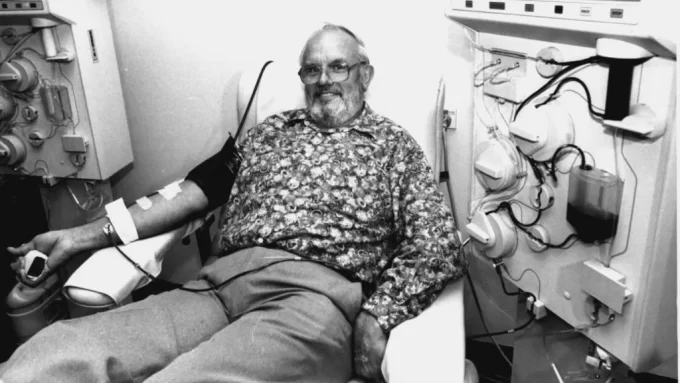
The Man Who Bled for Millions
He saved over 2.5 million babies, but no one ever recognized him...
 Kirsten Collins2 Mins read

The Silence Before the Sneeze
A dead bird, limp on the edge of a sidewalk in Guangdong,...
Kirsten Collins2 Mins read
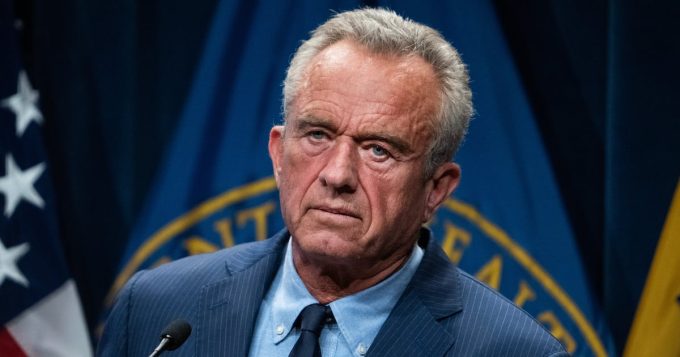
The Fetishization of Fear: RFK Jr. and the Vaccine Fetuses Lie
It begins, as these things always do, with a whisper dressed as...
Kirsten Collins2 Mins read
The Lie That Keeps Mutating
The seduction of scandal is ancient, but its latest host is disturbingly...
Kirsten Collins2 Mins read





Leave a comment