What Rihanna Promised Mariah Carey After That Christmas Signature
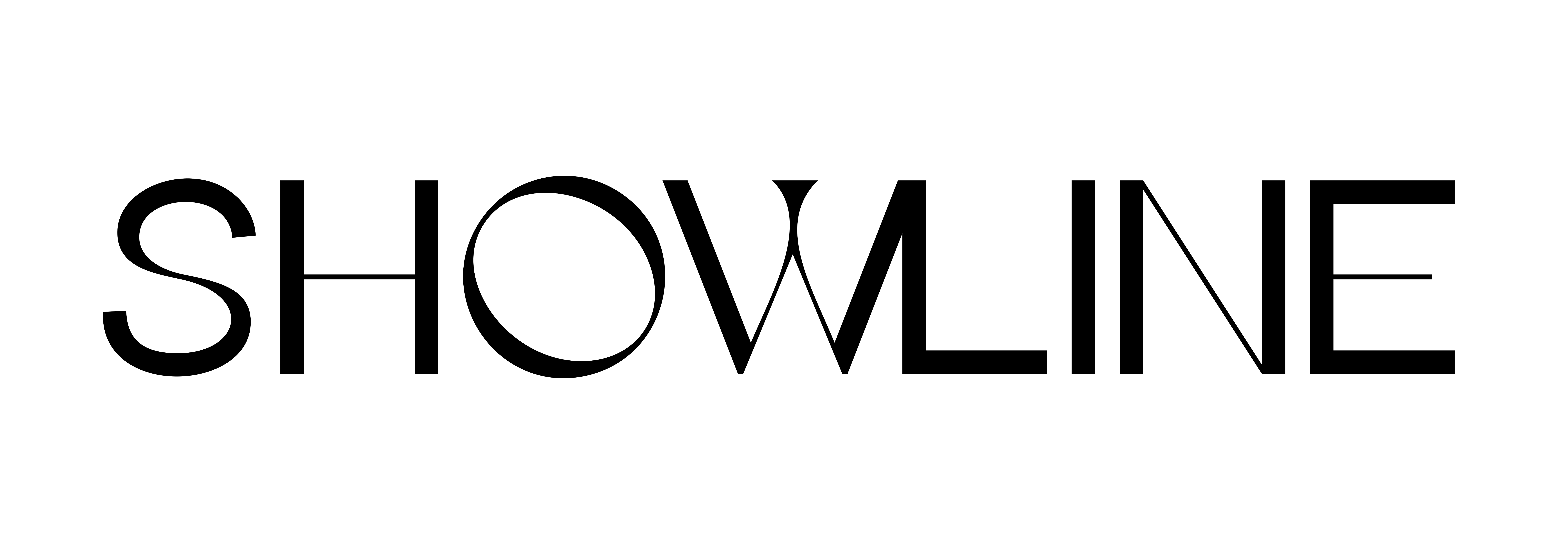
At Mariah Carey’s festive Brooklyn show, Rihanna asked her to autograph her chest—and then jokingly pledged a tattoo. That spontaneous moment raises a question: when fandom becomes spectacle, who truly signs the legacy?
 Kirsten CollinsJuly 25, 20251 Mins read19

Rihanna didn’t just catch Mariah Carey’s eye—she rewrote the headline. Mid‑concert at Brooklyn’s Barclays Center, she asked Carey to autograph her chest. Carey paused, approached the crowd, and the iconic moment transpired: red sharpie, live mic grabs, and “Mariah” scrawled across bare skin. It was playful, provocative, and utterly unforgettable.
Something sacred shifted in that instant—from staged performance to daring intimacy.
Afterwards, on Jimmy Kimmel Live, Carey revealed Rihanna’s cheeky response: she promised to get that autograph tattooed. “She said she was going to—but somehow I don’t think so,” Carey smiled, letting the moment linger in memory rather than ink.
Where Fandom Meets Legacy
It wasn’t just a signature—it was affirmation. Rihanna, herself a global icon, knelt before Carey as a Lamb and peer both—and still requested that autograph in the most personal place imaginable. The moment blurred roles: Madonna-fan, queen-enactment, star-to-star. It transformed fandom into a mutual gesture of homage, laughter, and audacity.
Carey’s hesitance wasn’t diva tropism—it was recognition of gravity. Signing wasn’t just ink, it was collision of legacies on skin.
Tattoos, Memory, and Unsigned Epics
When Rihanna joked about the tattoo, she gave the impulse permanence. But by refraining, she preserved it as ephemeral beauty—a moment unframed, unresolved. It exists between spectacle and sentiment, viral and tender. The decision not to tattoo became part of the narrative: some stories work best unmarked.
Carey shared, “Not really a common request,” yet she embraced the absurdity, the humor, and the finality of spontaneity. Rihanna’s performance didn’t unravel boundaries—it rewove them.
Who benefits when an autograph becomes art, and skin becomes a canvas? The crowd cheered—but the real power belonged to the women who laughed, signed, and paused. That ink will fade, but the memory pulses. In a world that demands documentation, sometimes it’s the unsigned promise that makes the most noise.





Laufey’s Opening Night Show at LA’s Crypto.com Arena: Best Moments
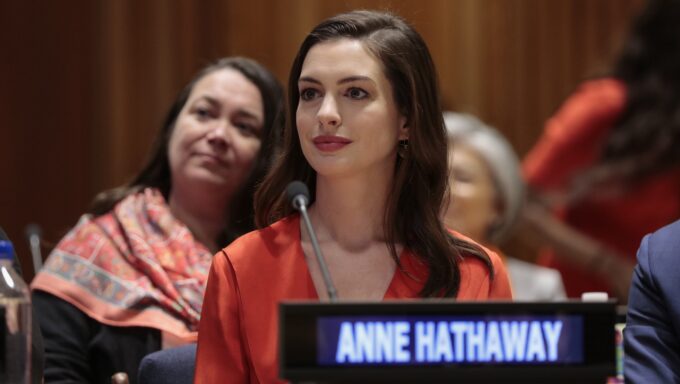
Laufey opened a two-night stand at Crypto.com Arena in downtown Los Angeles...
 Chris Marks6 Mins read
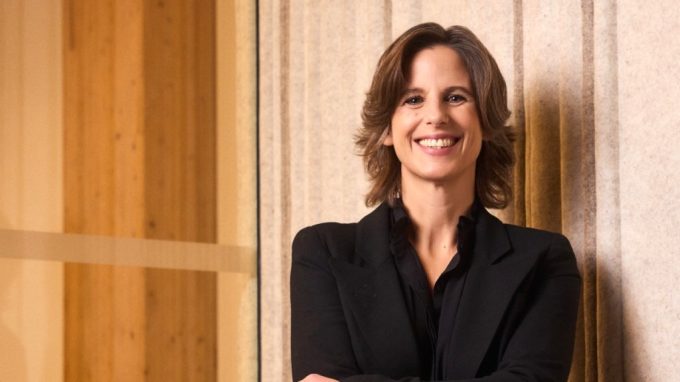
Julie Adam Is Billboard Canada Women in Music’s 2025 Exec of the Year
Julie Adam is having a milestone year — and it’s getting even...
Chris Marks4 Mins read
Spinal Tap Tribute Album with Foo Fighters,Tool for Teen Cancer America
Spinal Tap may be a fake band, but its music is very...
Chris Marks2 Mins read
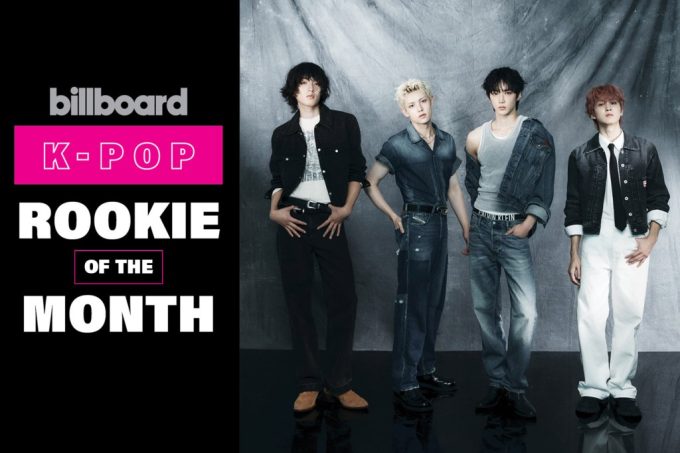
AxMxP Is K-Pop Rookie of the Month for September: Exclusive Photos
Ha Yoo Joon Image Credit: Chin Soyeon You debuted on Sept. 10....
Chris Marks2 Mins read





Leave a comment