

Victor Robles’ Throw: Fury or Foreshadowing?
When Mariners’ Victor Robles hurled his bat toward a pitcher after a near hit-by-pitch in a rehab game, the suspension that followed raised more than just questions about sportsmanship—it exposed a deeper drama simmering beneath the surface of baseball’s polished veneer.
 Chris MarksAugust 19, 20251 Mins read17

The sharp crack of a bat colliding with air carries an echo that reverberates far beyond the diamond—especially when that bat flies not toward the stands, but the opposing pitcher. Victor Robles’ sudden, explosive reaction in a rehab game wasn’t just a moment of lost control. It was a signal flare, illuminating the tense, often unseen emotions roiling beneath baseball’s surface calm.
A near hit-by-pitch—a moment that might otherwise pass with a shrug—triggered a fury that demanded consequence. Robles’ bat, thrown in raw frustration, is more than a single act of defiance. It challenges us to ask: what invisible pressures are strangling the spirit of the game? And what stories lie hidden behind every pitch that almost connects?
The Pulse Beneath the Uniform
Victor Robles’ suspension isn’t merely a disciplinary note in a ledger; it’s a crack in the polished armor of professional decorum. As one insider quietly observes, “There’s more going on here than just an isolated incident. This is a glimpse into a player wrestling with expectations, pain, and perhaps a sense of isolation during rehab.” Rehab games, often dismissed as mere stepping stones, become crucibles where resilience is tested and tempers flare with unfiltered intensity.
When Anger Becomes Narrative
Robles’ act forces us to reconsider the narrative we tell about athletes—stoic warriors immune to frailty. The bat throw is a punctuation mark on a story still being written, a moment that reframes Robles not just as a player, but a human navigating complex pressures. Is this a breakdown or breakthrough? The line blurs, leaving us wondering if this act of rebellion might signal something far more revealing about the player’s journey and the game’s demands.
The bat’s flight and the suspension that followed have opened a quiet dialogue—between discipline and empathy, frustration and understanding. And as the dust settles, one question lingers: how much of a player’s fire burns for the game, and how much is a cry for something deeper?







Barcelona’s Fragile Pursuit: When Injuries Threaten More Than Just a Season
A silence spreads over Camp Nou that no roar can drown out—two...
Chris Marks2 Mins read
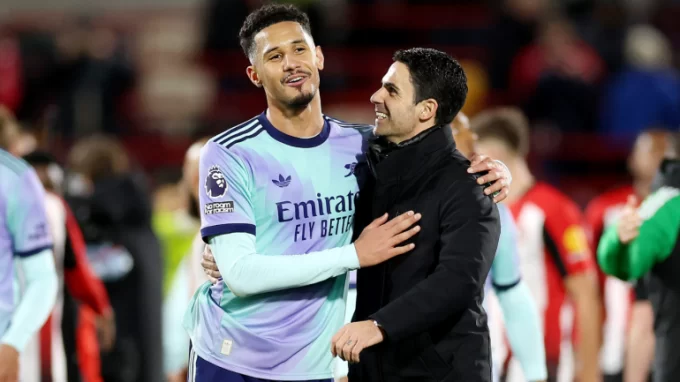
William Saliba: Arsenal’s Silent Architect or Its Greatest Gamble?
The air inside the Emirates shifts with unspoken tension—William Saliba, once a...
 Joseph Bennett2 Mins read

Joel Embiid’s Quiet Confidence: Is the 76ers’ Giant Ready to Rewrite His Story?
Joel Embiid is rarely one to make noise without purpose, and now,...
 Kirsten Collins1 Mins read
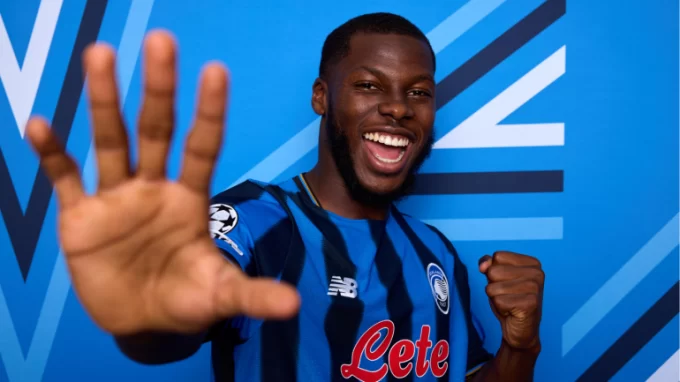
Juventus, Atalanta, and Arsenal’s Quiet Revolution: What’s Really Shaping This Week in Football?
The roar of Serie A stadiums masks a subtle shift, one that...
Kirsten Collins2 Mins read





Leave a comment