

Mario Vargas Llosa Is Dead. But the Scandal of His Genius Isn’t.
Mario Vargas Llosa has left the room, but not the conversation. He was never just a novelist—he was a battleground in human form.
 Chris MarksApril 14, 20251 Mins read112
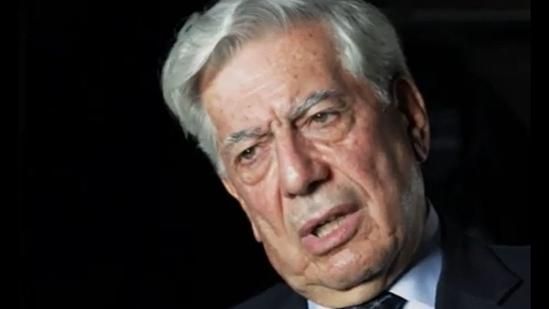
He once said that literature is fire. Not metaphor. Not flourish. Fire. So what happens when the flame extinguishes, and all that’s left is the smoke of his contradictions?
Mario Vargas Llosa has died at 89—and already the obituaries feel too neat. As though the man could be filed between “Nobel Laureate” and “Latin American Boom” like a dusty hardback in a forgotten library. But this was never a man built for shelf space. He was a spectacle. A controversy. A writer who used fiction to ignite civil unrest and essays to declare war on illusion. Even in silence, Vargas Llosa was noisy.
And maybe that was the point.
The Truth Always Had Teeth
To read Vargas Llosa was to feel implicated. He didn’t offer the reader a blanket—he offered a blade. The Time of the Hero was banned by the Peruvian military. Conversation in the Cathedral felt less like a book and more like eavesdropping on a collapsing nation. He made his readers flinch—and made them come back anyway.
But he also tested the boundary between artist and agitator. His rightward political shift in the late 20th century was not just polarizing—it was volcanic. To some, he was a sellout. To others, a thinker brave enough to defy his own mythology. Either way, he never apologized. “We must choose between freedom and servitude,” he once wrote, “even if the price of freedom is chaos.” That wasn’t fiction. That was a dare.
He didn’t want your agreement. He wanted your attention.
Ink, Blood, and the Ghosts of Greatness
The irony of a novelist becoming a myth is that we forget he was made of flesh. But Vargas Llosa was never afraid of his own mortality. His books are soaked in it—dying democracies, crumbling empires, ruined men with beautiful lies. Even his prose, sharp and unrepentant, seemed to whisper: Everything falls apart. Even me.
Still, there’s an unease that lingers. Was he the last of the literary giants who believed in the absolute power of the sentence? Or the first to prove that genius cannot be disentangled from ego? The kind of ego that loses presidencies, ends friendships, and rewrites its own legacy in real time.
And yet—what writer, if honest, doesn’t dream of that reach?
- controversial authors
- Conversation in the Cathedral
- death of Mario Vargas Llosa
- Latin American Boom
- Latin American literature
- literary icons
- Mario Vargas Llosa
- Mario Vargas Llosa death
- Nobel laureates in literature
- Nobel Prize author
- Peruvian novelist
- political writers
- The Time of the Hero
- writers who shaped history





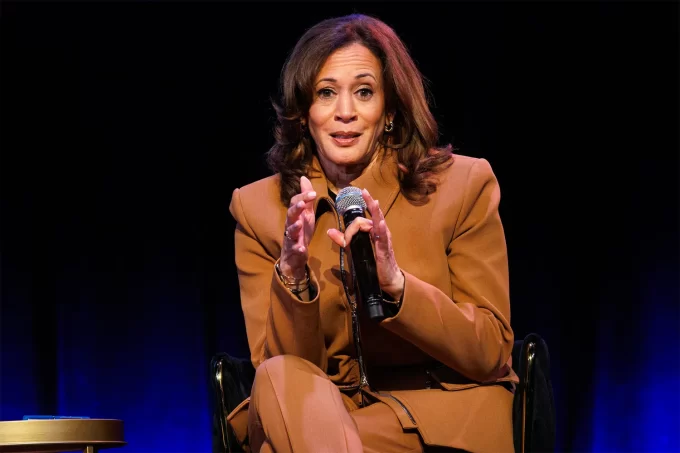
When “107 Days” Meets Outcry: Harris’s Book Tour Interrupted
The microphone crackled to life, and before Harris could finish her opening...
Chris Marks1 Mins read
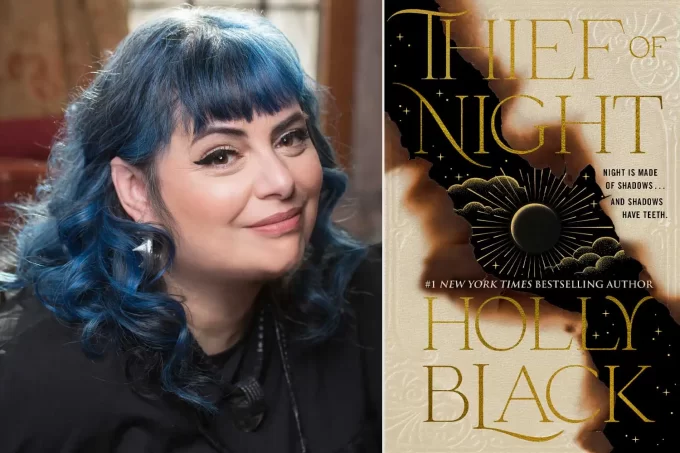
Whispers in the Shadows: Why Holly Black’s Sequel Is a Dark Invitation We Can’t Ignore
The night isn’t just dark—it’s ravenous, greedy, and it’s coming for you....
Chris Marks2 Mins read
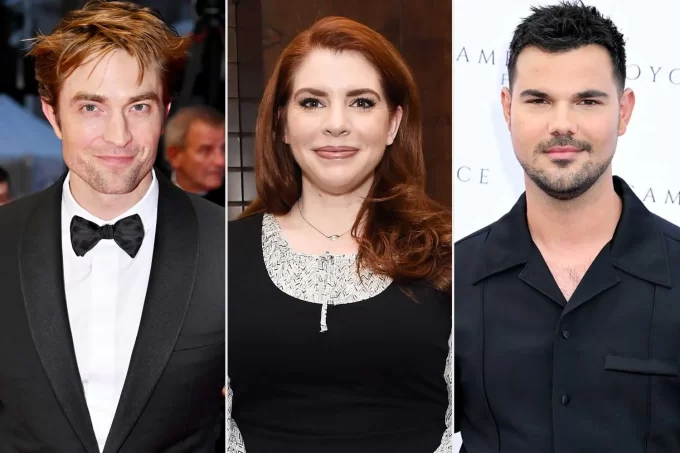
Why Stephenie Meyer’s Regret About Edward Changes Everything You Thought You Knew
The moment Stephenie Meyer admitted she wouldn’t pick Edward Cullen today, a...
Chris Marks2 Mins read
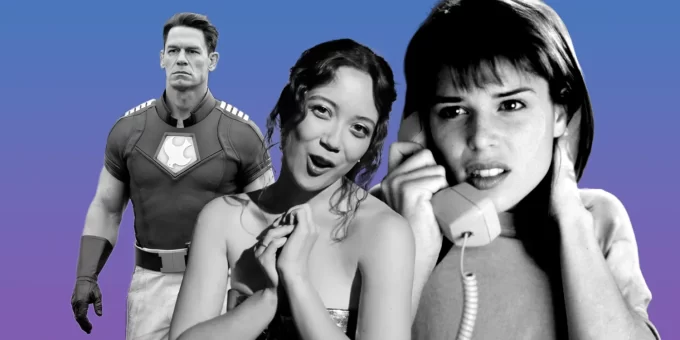
When Fear, Fury & Feathers Collide: Cinema, Superheroes, and a Confessional Album
Open with tension—the kind that threads through a scream, a reveal, and...
Chris Marks2 Mins read




Leave a comment