

Nature’s Netflix: The Wild Truths We’re Not Ready to Face
Netflix’s nature documentaries are more than escapism—they’re a mirror held up to a fragile planet, daring us to look closer and ask what comes next. But how deep does this wildlife rabbit hole really go?
 Chris MarksJune 29, 20251 Mins read25
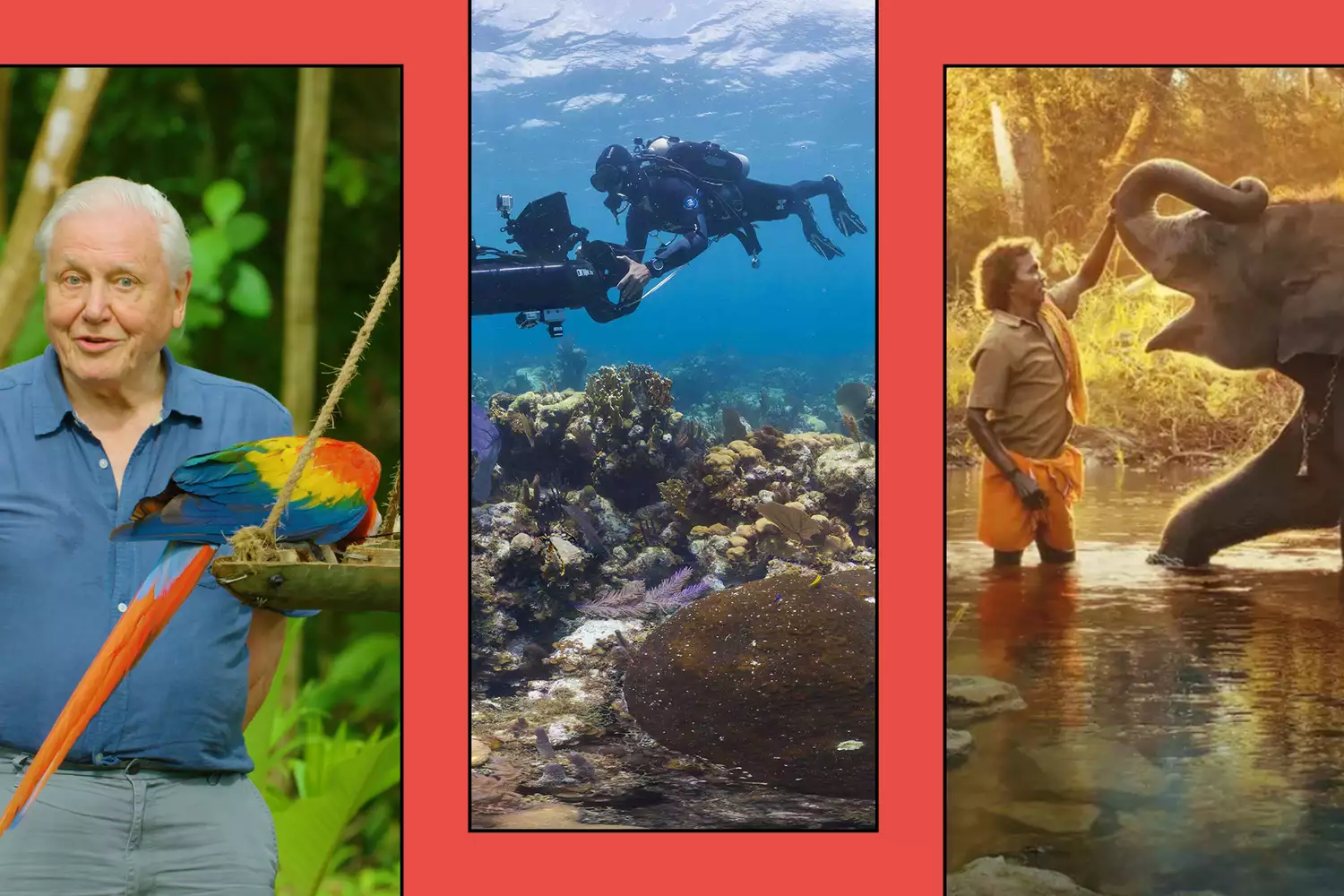
The screen flickers alive—not with the predictable beauty of sunsets or idyllic forests, but with a raw, unsettling glimpse of the planet’s quiet unraveling. Netflix’s nature documentaries are no longer mere background hums; they are urgent narratives, full of contradictions and secrets we’re desperate—and reluctant—to unravel.
These films beckon us into a world both dazzling and disquieting, where the line between awe and anxiety blurs. What stories are we really watching? What truths are hidden behind the lens?
When Beauty Betrays
These documentaries don’t just show us nature; they seduce and confront. The camera lingers on a lion’s gaze, a coral reef’s fading colors, a glacier’s slow surrender. But beneath the stunning visuals lies a question that gnaws: are we witnessing a world thriving or quietly dying? As one filmmaker admitted, “We want viewers to feel the majesty but also the urgency—nature’s beauty is a last act, not a forever promise.”
The tension is palpable. Each frame is an invitation—and a warning—that the stories we consume might be our last chance to understand what we’re losing.
Beyond the Frame
Netflix’s foray into nature storytelling isn’t just about spectacle. It’s a reckoning with human impact, an unflinching look at the consequences of progress. But who are these documentaries really for? The eco-activist seeking validation? The casual viewer looking for distraction? Or the indifferent, caught between awareness and apathy?
In this crowded digital age, can any documentary truly change hearts and minds, or are we all just spectators watching the slow extinction of the wild from our sofas?
There is a haunting rhythm to these films—a pulse that reminds us that nature’s story is still unfolding, but on whose terms? As the screen fades to black, the real question lingers: when the cameras stop rolling, who will be left to tell the tale?





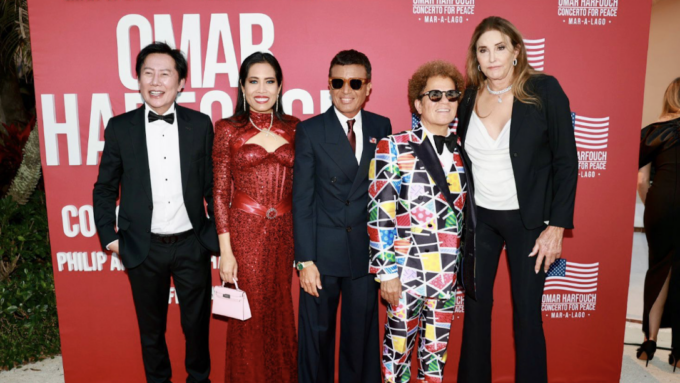
Pianist Omar Harfouch Brings Celebrated Figures Together for a Night of Cultural Exchange – Hollywood Life
Image Credit: Omar Harfouch On February 20, 2026, pianist and cultural figure...
 Kirsten Collins2 Mins read
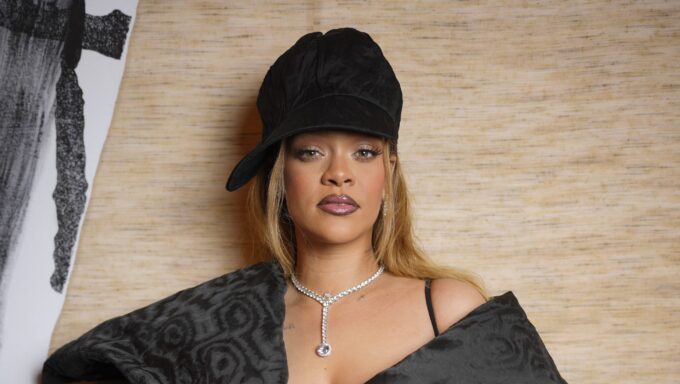
Who Is Ivana Lisette Ortiz? About the Rihanna Home Shooting Suspect – Hollywood Life
Image Credit: WWD via Getty Images The suspect in the March 8,...
Kirsten Collins1 Mins read
How Much Money Does She Have Now? – Hollywood Life
Image Credit: WWD via Getty Images Rihanna may be known as one...
Kirsten Collins2 Mins read
Stars Who Slammed ‘Love Story: JFK Jr. & Carolyn Bessette’: Statements – Hollywood Life
Image Credit: Getty Images FX’s Love Story: John F. Kennedy Jr. and...
Kirsten Collins2 Mins read





Leave a comment