

Who Gets to Define the Next Sound of Afrobeats?
Martell has crowned its “Cultural Ambassadors” to guide the future of Afrobeats—but can a cognac brand script the soul of a sound born from rebellion and rhythm? The real question might be: who’s orchestrating whom?
 Krista FreelandAugust 6, 20252 Mins read16
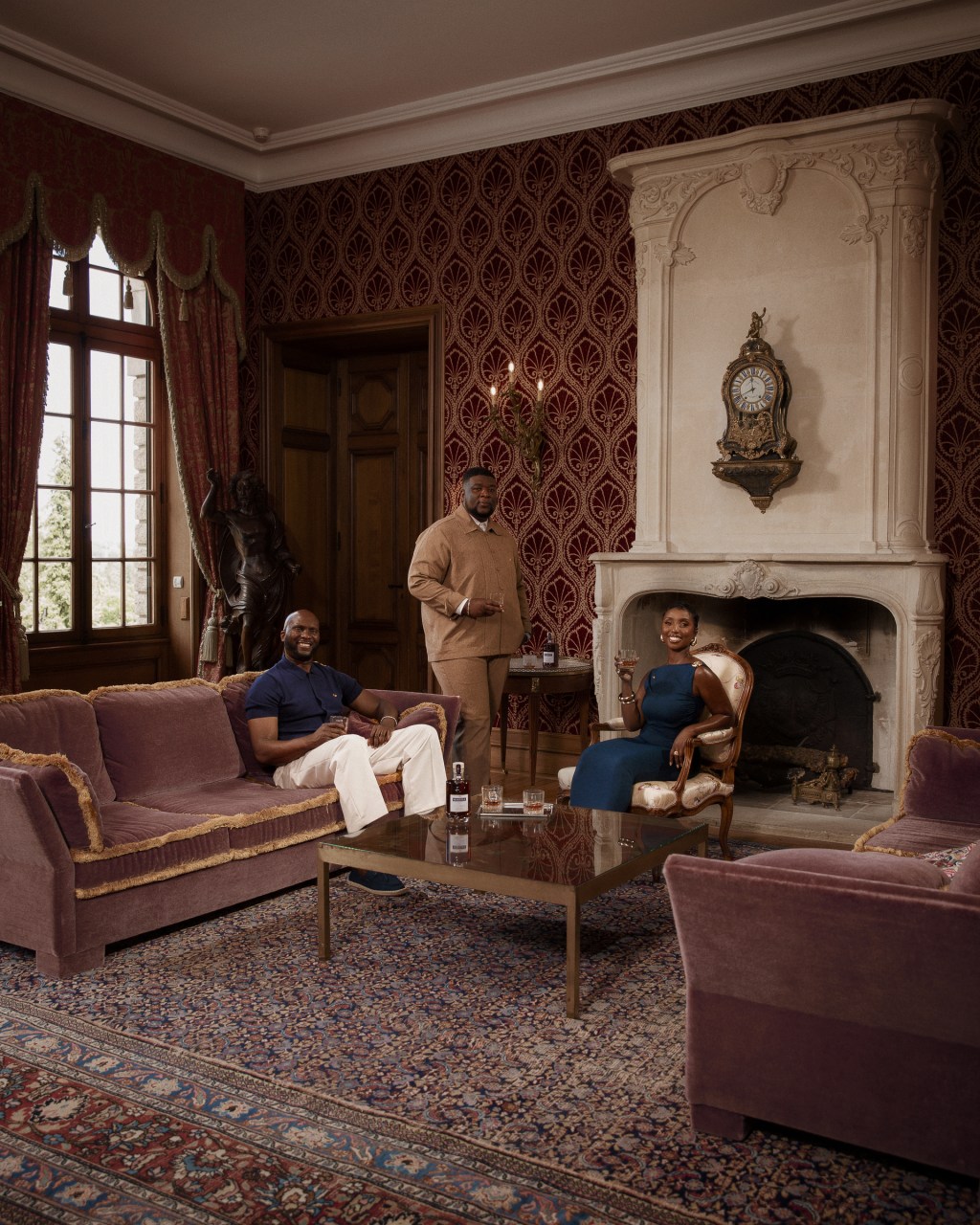
Somewhere between the pop of a champagne cork and the throb of a Lagos bassline, a cultural transaction is taking place. It’s elegant, well-lit, and dressed in the warm blue hue of brand strategy. At Martell’s unveiling of its new “Cultural Ambassadors”—handpicked tastemakers meant to shape “the next chapter of Afrobeats”—you can almost hear the tension beneath the gloss. The music is still loud, but the question is louder: can culture be curated, or is it simply being colonized with better lighting?
This isn’t just about alcohol or aesthetics. This is about narrative control. Afrobeats, once a fiercely regional genre pulsing from the studios of Surulere and Accra, has been vaulted into global relevance—without ever being given time to define itself on its own terms. Now, a cognac label is stepping in, not just to celebrate it, but to “shape” it. It’s a seductive concept, cloaked in press releases and influencer partnerships. But seductive things are often dangerous in silence.
The Soft Power of a Backbeat
Martell is no stranger to tapping cultural veins for relevance, but Afrobeats is not just a sound—it’s a language, a resistance, a fever dream of the diaspora. And in their latest move, the brand is putting its weight behind musicians and content creators to amplify what it calls “authentic voices.” But whose definition of authenticity are we sipping on? Whose rhythm is it, really?
The ambassadors themselves are charismatic and credible—artists with street clout and studio prestige. And yet, the partnership reads like a high-gloss passport stamped by foreign interests. As one Lagos-based producer murmured at the event, “We’re the culture, but now we have to audition for it.” That’s the paradox: Afrobeats has gone global, but at the cost of becoming an export. And just as oil made empires, music now lubricates the gears of corporate identity.
Branding the Beat
Cognac and culture have long danced together, from jazz clubs in Harlem to hip-hop lyrics in Atlanta. But there’s a particular sharpness when that pairing lands in Africa, a continent that knows all too well the price of being “discovered.” Martell’s campaign is polished—no doubt—but it raises questions about how much of Africa’s creative future is being managed from the outside in. And whether we’re watching empowerment… or another rebrand of control.
What’s striking is how quickly the language of rebellion is being licensed. Afrobeats was once disruptive, genre-defiant, unbothered by Western approval. Now it is calculated, optimized, curated by corporate partnerships dressed as patronage. The line between sponsorship and storytelling has never been thinner. And if you’re not careful, you might confuse the beat of a commercial for the heartbeat of a people.
At the event, a single drum loop played beneath the speakers’ voices—steady, hypnotic, looping back again and again. Perhaps that’s the metaphor. No matter how global the packaging becomes, the beat remains. But for how long? When a genre becomes a campaign, and culture becomes clickable—what remains untamed?
There’s always something haunting about the sound of applause when it’s been rehearsed.






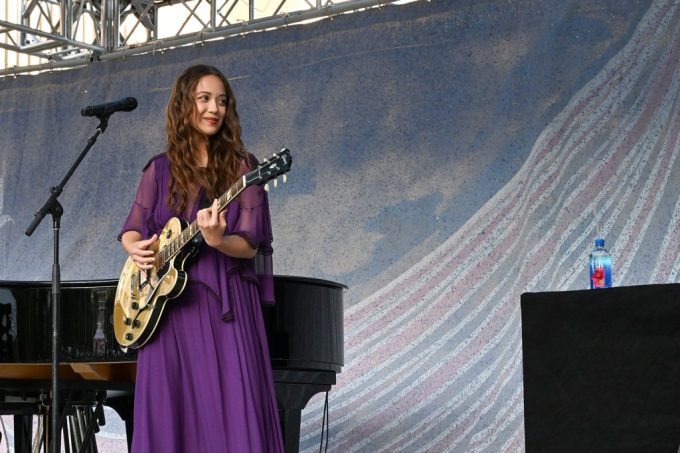
Laufey’s Opening Night Show at LA’s Crypto.com Arena: Best Moments
Laufey opened a two-night stand at Crypto.com Arena in downtown Los Angeles...
 Chris Marks6 Mins read
Julie Adam Is Billboard Canada Women in Music’s 2025 Exec of the Year
Julie Adam is having a milestone year — and it’s getting even...
Chris Marks4 Mins read

Spinal Tap Tribute Album with Foo Fighters,Tool for Teen Cancer America
Spinal Tap may be a fake band, but its music is very...
Chris Marks2 Mins read
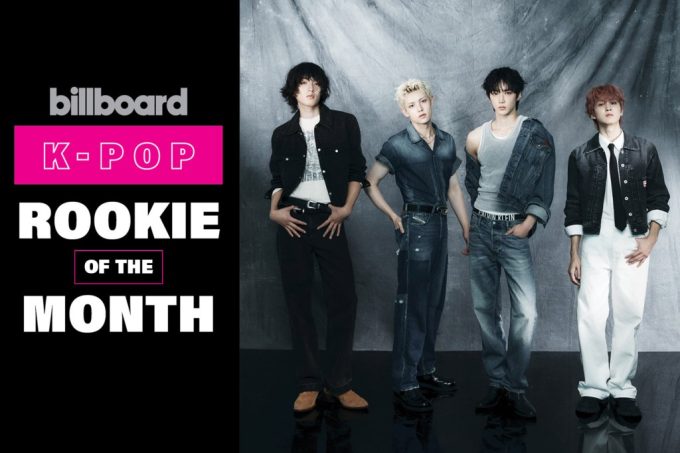
AxMxP Is K-Pop Rookie of the Month for September: Exclusive Photos
Ha Yoo Joon Image Credit: Chin Soyeon You debuted on Sept. 10....
Chris Marks2 Mins read




Leave a comment