

Tyriq Withers vs. Ghostface: When Horror’s New Guard Meets the Comedy King
Tyriq Withers steps into the shadow of Ghostface, but this time, the stakes are oddly different—with Marlon Wayans adding a comedic edge that twists the familiar slasher tale into something uncomfortably fresh. What does this collision say about horror’s evolving identity?
 Krista FreelandSeptember 18, 20251 Mins read22

The shrill echo of a knife against a skull has never sounded quite like this. Tyriq Withers doesn’t just fight Ghostface—he wrestles with the uneasy space where horror bleeds into comedy, and where tradition is both weapon and target. Paired with Marlon Wayans, whose reputation for fearless satire precedes him, this isn’t your average slasher sequel; it’s a question posed with a smirk and a blade.
What does it mean when the newest face to face off with Ghostface isn’t just terrified but oddly empowered? When humor and horror collide, the genre’s boundaries blur—and suddenly, every scream demands a second look. Is this evolution, or something more subversive?
The Dance of Death and Laughter
Ghostface has always been a symbol—of fear, mystery, relentless stalking. Yet with HIM, the figure transforms into something paradoxical, a character both terrifying and almost absurd in its cultural weight. Marlon Wayans’ involvement isn’t mere comic relief; it’s a strategic challenge to horror’s old guard. Tyriq Withers embodies the new era, where vulnerability coexists with agency, and where scares don’t exclude sharp wit.
“It’s like fighting fear with a grin,” Withers says, capturing the strange power of humor in the face of terror. This dance between dread and laughter unsettles, suggesting that the mask we fear might also reflect something deeply human.
Ghostface Reimagined: What’s at Stake?
Beyond the thrills and jokes lies a deeper question: what does Ghostface represent today? A relic of ’90s slasher culture, or a canvas for cultural critique? Tyriq Withers’ confrontation with the killer challenges audiences to rethink their relationship with horror icons—who deserves to wield the knife, and who deserves the scream?
Marlon Wayans, no stranger to blending genres, pushes the narrative into uncharted territory. Their chemistry hints at a shift, perhaps a reckoning, with the genre’s history and future. What happens when the hunter and the hunted rewrite their roles? The film promises more than scares—it offers a reflection on identity, fear, and the power of reinvention.
This isn’t just a fight for survival; it’s a battle for the soul of horror itself. As Tyriq Withers stares down Ghostface, the question lingers—who really wears the mask, and who pulls it off?






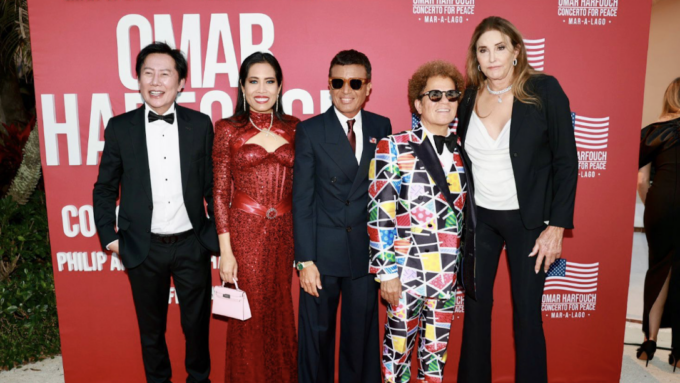
Pianist Omar Harfouch Brings Celebrated Figures Together for a Night of Cultural Exchange – Hollywood Life
Image Credit: Omar Harfouch On February 20, 2026, pianist and cultural figure...
 Kirsten Collins2 Mins read
Who Is Ivana Lisette Ortiz? About the Rihanna Home Shooting Suspect – Hollywood Life
Image Credit: WWD via Getty Images The suspect in the March 8,...
Kirsten Collins1 Mins read
How Much Money Does She Have Now? – Hollywood Life
Image Credit: WWD via Getty Images Rihanna may be known as one...
Kirsten Collins2 Mins read
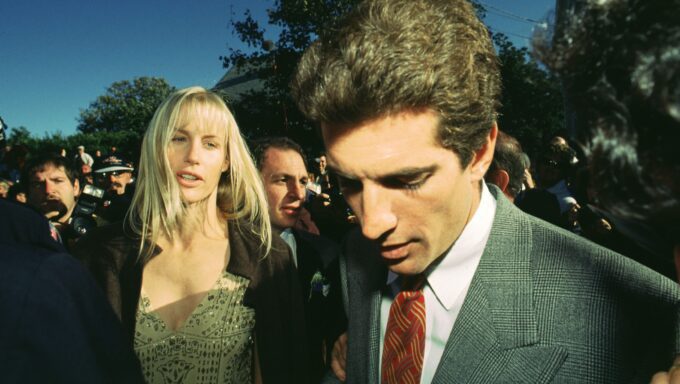
Stars Who Slammed ‘Love Story: JFK Jr. & Carolyn Bessette’: Statements – Hollywood Life
Image Credit: Getty Images FX’s Love Story: John F. Kennedy Jr. and...
Kirsten Collins2 Mins read





Leave a comment