

When McDonald’s Goes Purple: TinyTAN Happy Meals and the BTS Magic Encore
McDonald’s and BTS rekindle their pop-cultural alchemy with TinyTAN Happy Meals—two collectible sets, global rollout, and a “Magic Meetup.” It’s more than toys; it’s a strategic embrace of fandom turned spectacle.
 Kirsten CollinsAugust 20, 20251 Mins read14
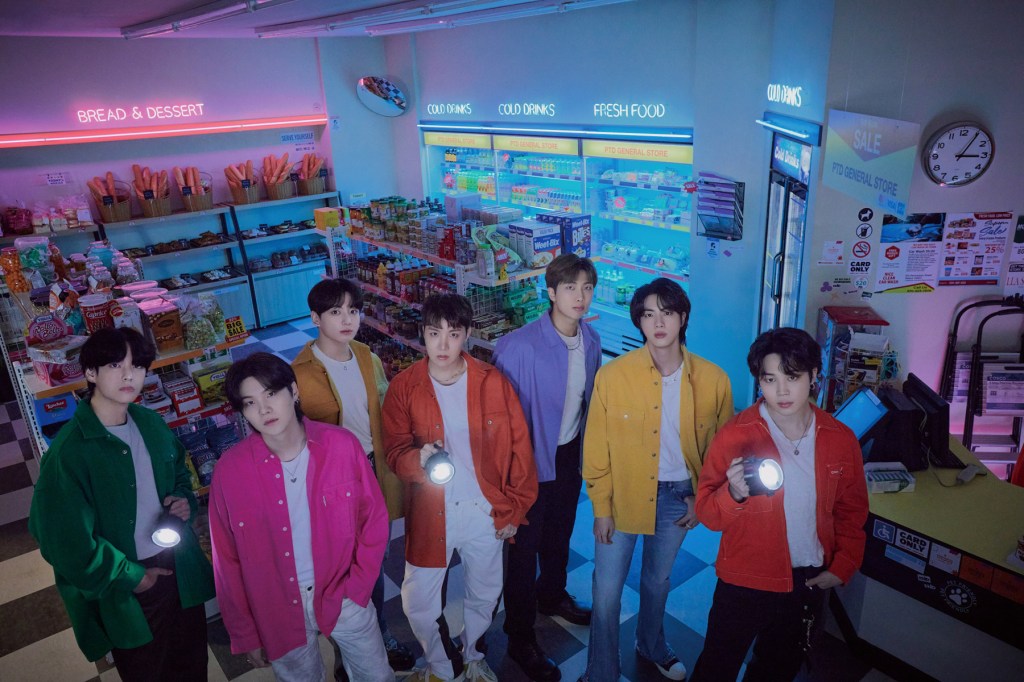
The golden arches just turned purple—and it’s not from the fries. TinyTAN, the animated avatars of BTS, have descended upon McDonald’s Happy Meals in a double-edition drop. The result isn’t just consumer goods—it’s a cultural tidal wave inviting us to reflect on fandom as both ritual and currency.
There’s something unsettlingly smart in this move. McDonald’s isn’t just selling toys; it’s staging an event, one that blurs lines between fast food queues and fan rites. What does it mean when a simple meal box becomes a vessel for global pop mythmaking?
The Echo of Nostalgia and the Pulse of Newness
Launching on September 3, the “Throwback Edition” dresses each TinyTAN member in outfits from the 2021 BTS Meal campaign. By September 23, the “Encore Edition” follows—a visual wink to their ongoing, ever-evolving collaboration. It’s not just collection; it’s curation of memory and momentum. As one fan quipped, “These toys are postcards from a pop moment we’re still living through.”
Yet there’s something more calculating in their deployment of time. Two editions bookend the month, keeping anticipation—and foot traffic—alive. What if the real product here is not nostalgia, but sustained desire?
When Happy Meals Become Performance Art
Beyond figurines, McDonald’s is offering a “Magic Meetup” in Los Angeles—an immersive event infused with music, play, and branded enchantment. For those distant from California, a TinyTAN Power Up rhythm game awaits via QR code on the box. In other words, this isn’t just a promotion—it’s a performance you can join from anywhere.
This multi-sensory staging raises the question: has marketing entered the realm of theater, where consumers aren’t buying items, but roles—and experiences? And if so, who are we when we step into them?
What started as a Happy Meal now feels like a capsule of fandom, nostalgia, and orchestration. McDonald’s has once again mastered the pop collaboration, but this feels different—more intimate, more deliberate, more insistent.
So what happens when every bite becomes an invitation to perform devotion? And just where do we draw the line between joyful consumption and curated identity?





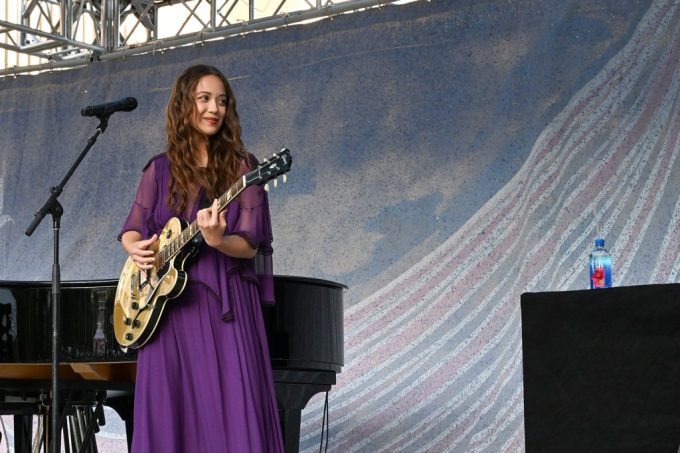
Laufey’s Opening Night Show at LA’s Crypto.com Arena: Best Moments
Laufey opened a two-night stand at Crypto.com Arena in downtown Los Angeles...
 Chris Marks6 Mins read
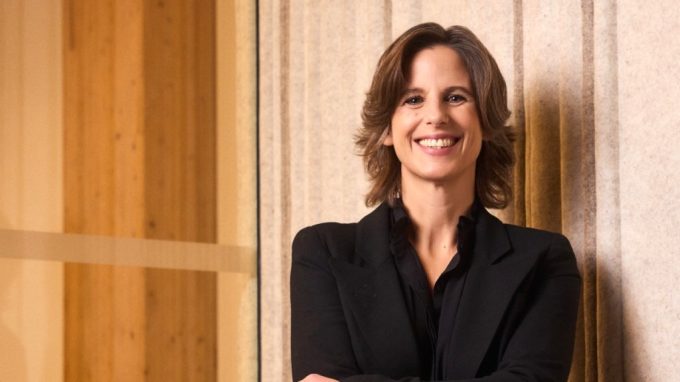
Julie Adam Is Billboard Canada Women in Music’s 2025 Exec of the Year
Julie Adam is having a milestone year — and it’s getting even...
Chris Marks4 Mins read
Spinal Tap Tribute Album with Foo Fighters,Tool for Teen Cancer America
Spinal Tap may be a fake band, but its music is very...
Chris Marks2 Mins read
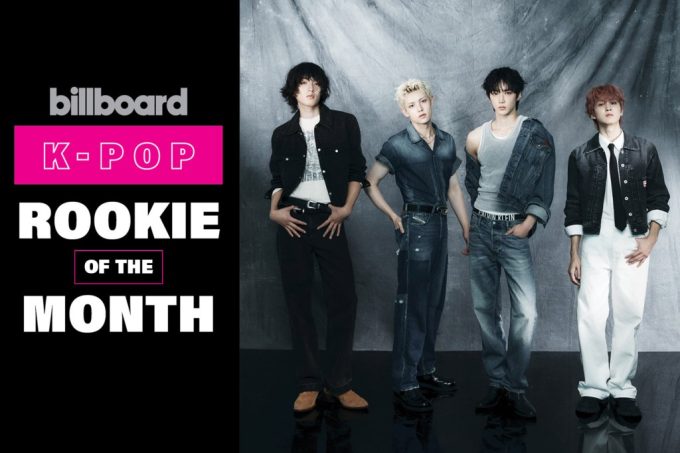
AxMxP Is K-Pop Rookie of the Month for September: Exclusive Photos
Ha Yoo Joon Image Credit: Chin Soyeon You debuted on Sept. 10....
Chris Marks2 Mins read



Leave a comment