

The Battle of the Billboard: Beyoncé, Sweeney, and the Politics of Denim
When Megyn Kelly takes aim at Beyoncé’s Levi’s campaign and throws Sydney Sweeney into the crossfire, it stops being about jeans—and starts revealing something far stickier: the politics of beauty, race, and who gets to sell Americana.
 Joseph BennettAugust 6, 20253 Mins read25
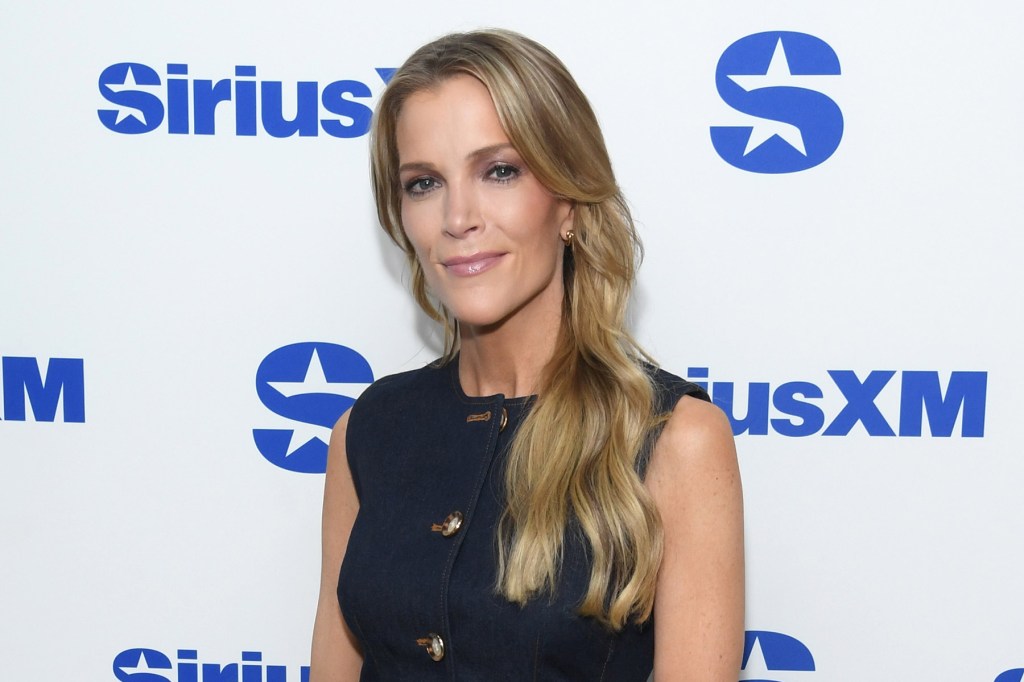
It’s never just denim. Especially not when Beyoncé wears it. Especially not when Megyn Kelly decides to weigh in. And especially not when Sydney Sweeney is summoned—unwillingly or not—as the contrast America didn’t ask for, but apparently can’t stop staging. What started as a slick, body-hugging Levi’s campaign has morphed, quite rapidly, into something that smells less like stretch cotton and more like cultural bait.
Megyn Kelly’s latest media provocation is as vintage as the jeans she’s so indignant about. Her objection wasn’t just about Beyoncé being in the ad—it was about her being in that ad, for that brand, in a way that, to Kelly’s mind, should’ve belonged to Sweeney. “We all know who should’ve been in that Levi’s ad,” she said on air, delivering it with the smug clarity of someone who understands how to engineer outrage. Sweeney, blonde and buxom, has become the placeholder for a fantasy of Americana that refuses to evolve—even when the numbers, and the culture, already have.
Denim Dreams and Divides
To be clear, Beyoncé didn’t just appear in the Levi’s ad—she dominated it. The spot wasn’t selling pants; it was selling a universe where Black femininity, confidence, and economic power unapologetically lead the frame. Her presence was both a fashion statement and a social shift. And that, of course, made it a threat.
Kelly’s move wasn’t accidental. It’s part of a well-worn tradition: elevate one white woman as a symbol of purity and familiarity, then contrast her with a Black woman whose power is framed as “aggressive,” “undeserved,” or “off-brand.” It’s lazy, but effective. The illusion of choice—Sydney or Beyoncé—is seductive. It taps into a latent national obsession with binary identities: hot or tasteful, wild or domestic, Beyoncé or not-Beyoncé.
But who decided Sydney Sweeney needed to be rescued from not being in a Levi’s ad? And why is a denim campaign suddenly the battleground for racial and generational aesthetics? Levi’s isn’t just denim here—it’s mythology. Who gets to wear it, sell it, represent it? These are the questions Kelly is asking, even if she doesn’t admit they’re rhetorical.
When Advertising Becomes a Proxy War
At its core, this isn’t about jeans. It’s about America’s anxieties—packaged in high-rise denim, lowbrow commentary, and a fierce nostalgia for a time when beauty and whiteness were synonyms. Beyoncé threatens that. Not because she’s wearing the pants, but because she owns them.
Sydney Sweeney, for her part, has stayed out of it—gracefully, wisely. She doesn’t need to engage. Her image, curated somewhere between vintage pin-up and 2020s sex symbol, sells just fine without commentary. But the real story is how quickly these two women—neither of whom asked for this comparison—became symbols for a culture war they didn’t start.
In one corner: a Black woman controlling her narrative, redefining the visual language of Americana, leveraging a brand like Levi’s not just to fit her—but to follow her. In the other: a white woman being offered, by a media figure, as the “better fit,” a cleaner nostalgia, a less complicated story. It’s not about who’s hotter. It’s about who’s allowed to be iconic in public.
There’s something deeply American about turning a denim ad into a referendum on race, gender, and national identity. And there’s something even more American about pretending it was just about Levi’s all along. Maybe that’s the stitch that keeps unraveling—when the fabric of a brand can’t hold the weight of the questions it’s suddenly forced to carry.
The billboard fades, the commercial rolls on, and the echo of Kelly’s voice lingers like static—irrelevant yet instructive. After all, in a country so obsessed with who wears the pants, we should probably be asking: who made them in the first place?








Laufey’s Opening Night Show at LA’s Crypto.com Arena: Best Moments
Laufey opened a two-night stand at Crypto.com Arena in downtown Los Angeles...
 Chris Marks6 Mins read
Julie Adam Is Billboard Canada Women in Music’s 2025 Exec of the Year
Julie Adam is having a milestone year — and it’s getting even...
Chris Marks4 Mins read

Spinal Tap Tribute Album with Foo Fighters,Tool for Teen Cancer America
Spinal Tap may be a fake band, but its music is very...
Chris Marks2 Mins read
AxMxP Is K-Pop Rookie of the Month for September: Exclusive Photos
Ha Yoo Joon Image Credit: Chin Soyeon You debuted on Sept. 10....
Chris Marks2 Mins read





Leave a comment