

Meta vs. the FTC: Is This the Trial That Finally Defines Big Tech’s Boundaries?
Meta’s antitrust battle with the FTC is more than a courtroom drama—it’s a confrontation over what monopoly means in the age of algorithms, platforms, and digital attention itself.
 Kirsten CollinsApril 14, 20251 Mins read35
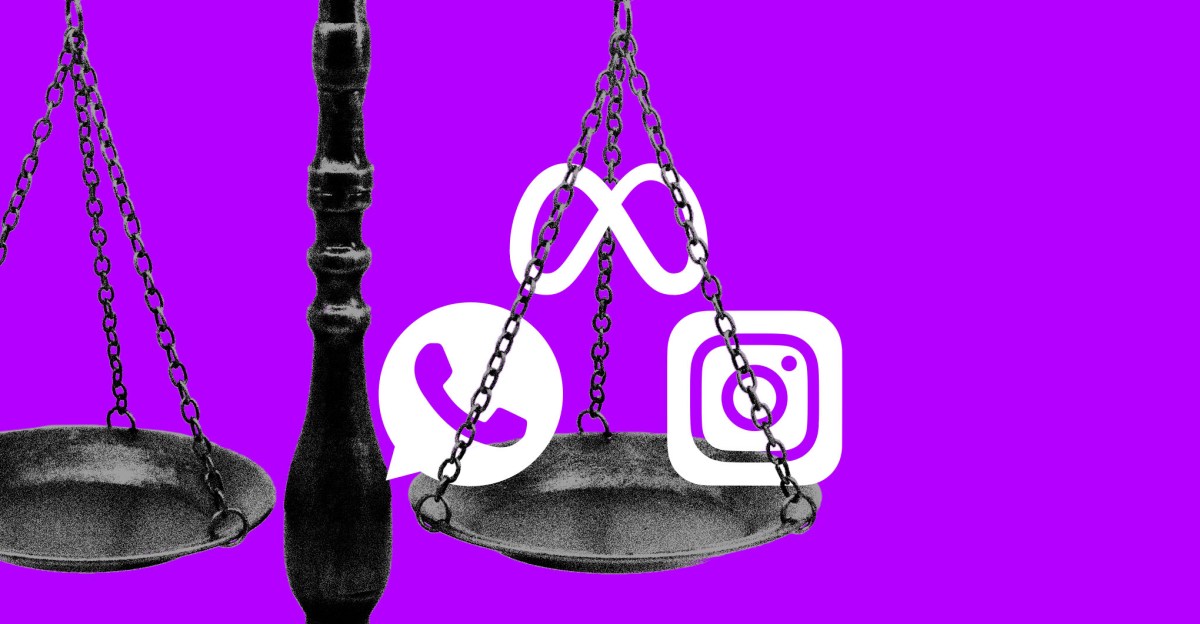
It’s not just Meta on trial. It’s the very definition of a monopoly in the algorithmic age.
Inside a courtroom lined with lawyers, economists, and tech watchers, the FTC is making its case: that Meta, parent company of Facebook, Instagram, and WhatsApp, has unlawfully crushed competition through acquisitions, platform dominance, and a web of user data so dense it’s become practically inescapable.
Meta’s counter? That innovation, not intimidation, built its empire—and that users are always free to log off.
A Battle Over Invisible Borders
At the center of the trial is a deceptively old question: What counts as a monopoly today? In the industrial era, it was about price fixing and factory control. In the digital one, it’s subtler—about attention, data ecosystems, and network effects that stretch far beyond product lines.
Meta’s acquisition of rising rivals like Instagram and WhatsApp is now under renewed scrutiny. The FTC argues these moves were defensive—not evolutionary—and that Meta strategically neutralized threats to entrench its dominance in social networking and messaging. “This is not competition,” one FTC lawyer said. “It’s consolidation dressed in UX design.”
Meta insists its moves were legal and that newer platforms like TikTok prove there’s still competition. But the FTC wants to draw a new line in the sand—one that accounts for how platforms monopolize not just markets, but behavior.
What Happens If Meta Loses?
The stakes are enormous. A ruling against Meta could lead to forced divestitures, stricter merger reviews, or even a rewrite of antitrust law itself to accommodate digital ecosystems. For the FTC, it’s a chance to make a long-awaited example of Big Tech. For Meta, it’s a battle to defend not just business strategy—but the very architecture of how it grows.
Yet observers remain divided. Some fear overreach—regulators punishing success. Others say anything short of major intervention will validate the “buy and bury” playbook for decades to come.
And outside the courtroom, the verdict is already rippling: through boardrooms, stock tickers, and the minds of engineers and founders who now wonder—What is the price of scale? And who gets to draw the boundary between dominance and abuse?
- antitrust
- antitrust trial tech industry
- battle
- Big Tech regulation
- digital monopoly law
- Facebook monopoly trial
- FTC
- FTC Meta court battle
- FTC vs Meta 2025
- Meta
- Meta acquisitions scrutiny
- Meta antitrust case details
- Meta antitrust trial
- Meta FTC lawsuit updates
- Meta FTC monopoly case
- Meta monopoly power
- Meta vs FTC news
- monopoly
- trial
- updates






Microsoft Is Cutting Thousands of Employees Across the Company
Microsoft Corp. said it will cut thousands of workers with a focus...
Kirsten Collins1 Mins read

Intel Certifies Shell Lubricant for Cooling AI Data Centers
Intel Corp. has certified Shell Plc’s lubricant-based method for cooling servers more...
Kirsten Collins1 Mins read

UBS’s Lo Says Investors Diversifying From US to Gold, Crypto
UBS Group AG’s rich clients are increasingly shifting away from US-dollar assets,...
Kirsten Collins1 Mins read
Microsoft Among Software Stocks Offering Haven in Tariff Chaos
As the Trump administration’s trade war clouds the economic outlook, software stocks...
Kirsten Collins1 Mins read





Leave a comment