

The Cedric Mullins Trade: A Power Move, or a Panic Button?
The Mets just pulled off a headline-making trade for Cedric Mullins, but beneath the surface of the outfield upgrade lies a more unsettling question—what exactly are they trying to fix?
 Kirsten CollinsJuly 31, 20252 Mins read18
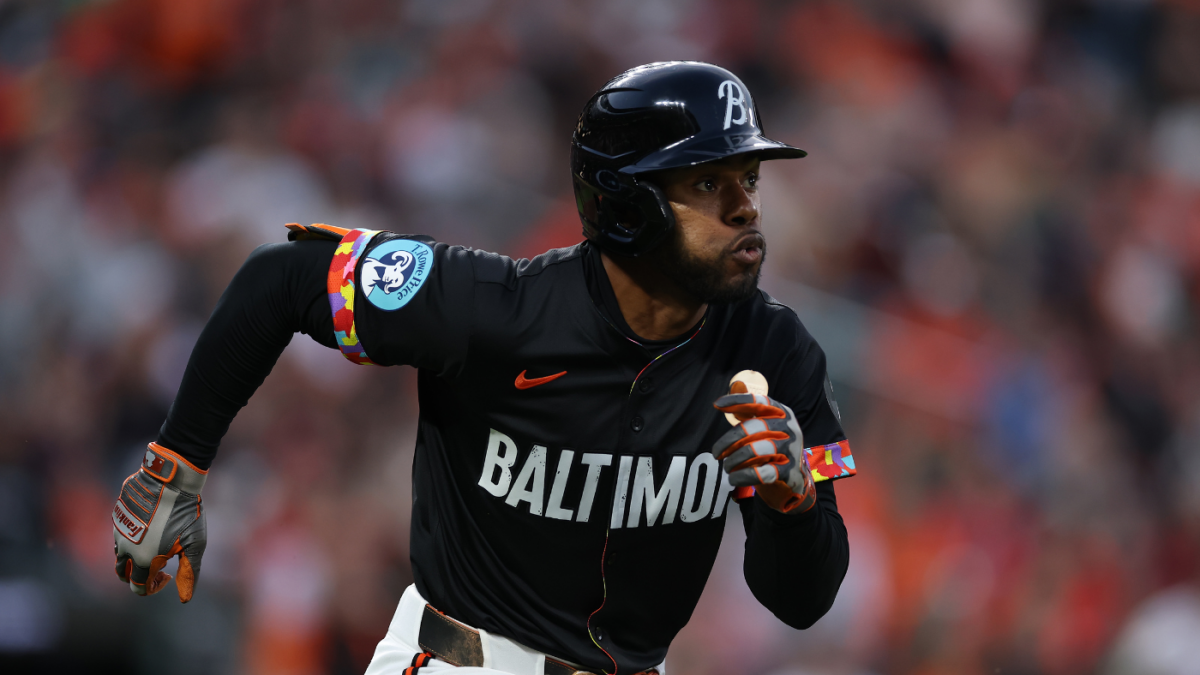
It wasn’t so much the trade that caught the city off guard—it was the speed. One minute the Mets were limping toward the All-Star break with an outfield shaped like a haunted house. The next, Cedric Mullins was announced like a mid-season savior, plucked from Baltimore like a diamond from a thrift shop. The headline screamed upgrade, but the subtext whispered desperation. Why now? Why him? And why does it feel less like a chess move, and more like a shot in the dark?
Cedric Mullins is no question mark. He’s an answer. A two-time 30-30 threat with defensive elegance, contact hitting precision, and the kind of field awareness that makes pitchers breathe easier. But the Mets aren’t a team lacking answers. They’re a team with too many questions. Chemistry, momentum, identity—the intangibles that don’t show up in the stats. The trade was bold, even theatrical. Yet it felt eerily like a scene added in reshoots—something to convince us the plot still makes sense.
Front Offices Are the New Storytellers
We talk about “moves” like they’re data-driven inevitabilities, but they’re as much narrative as they are numbers. Mullins brings a story—a redemption arc from early-career injuries, a quiet leader in a loud division, a player who never quite fit the East Coast press machine. For the Orioles, it was a cool, calculated letting-go. For the Mets, it was a scramble to change the tone.
“Every clubhouse needs a spine,” said a former GM, “and sometimes you buy it wholesale.” Maybe Mullins is that. But maybe he’s just a bandage for something deeper—an aching sense that the Mets, despite all their spending, still don’t know who they are. The timing of the trade raises questions the team may not want to answer: not just about contention, but about control. About leadership. About whether they’re building a dynasty or trying to reverse-engineer one.
The Myth of Midseason Salvation
It’s always seductive—the idea that one player, one trade, can tilt the axis of a season. That greatness can be grafted onto a team like a skin graft. But baseball doesn’t work like that. It’s a game of atmospheres, not just analytics. A new center fielder won’t change the Mets unless the team is ready to be changed. And judging by the churn beneath their public face, it’s not clear they’ve reached that point.
Which brings us back to the move itself. Not the stats, not the shift in defensive range or stolen base probability—but the decision to do something loud. The Cedric Mullins trade, in its crisp front-office packaging, feels less like a move toward October, and more like a subtle admittance that they’ve been drifting. If so, Mullins may be less a solution and more a symbol.
Because sometimes the trade isn’t about who you get. It’s about what you’re trying to forget.





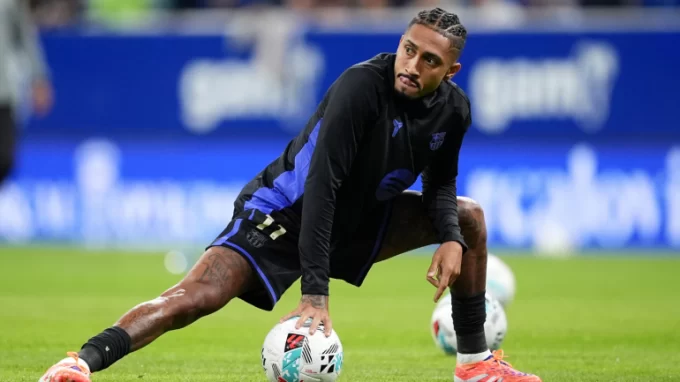
Barcelona’s Fragile Pursuit: When Injuries Threaten More Than Just a Season
A silence spreads over Camp Nou that no roar can drown out—two...
 Chris Marks2 Mins read
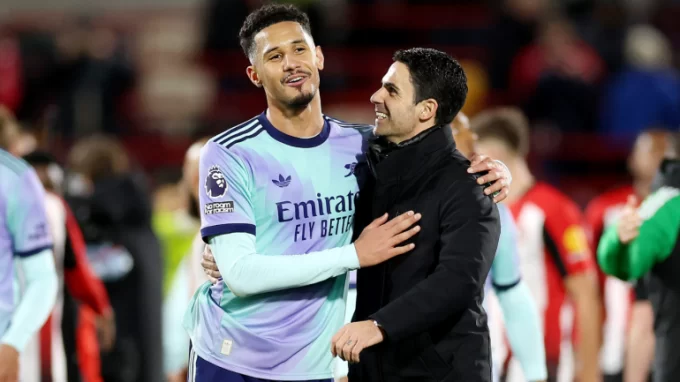
William Saliba: Arsenal’s Silent Architect or Its Greatest Gamble?
The air inside the Emirates shifts with unspoken tension—William Saliba, once a...
 Joseph Bennett2 Mins read
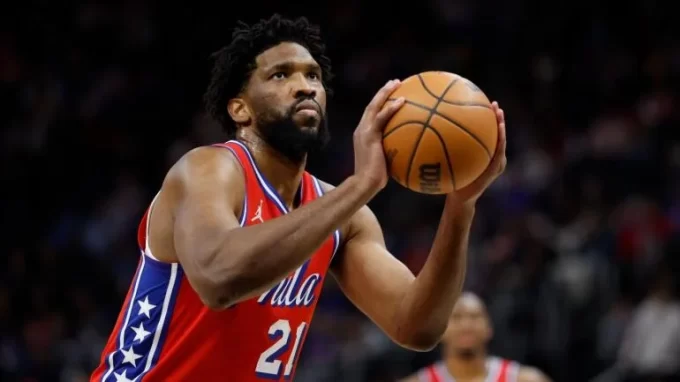
Joel Embiid’s Quiet Confidence: Is the 76ers’ Giant Ready to Rewrite His Story?
Joel Embiid is rarely one to make noise without purpose, and now,...
Kirsten Collins1 Mins read
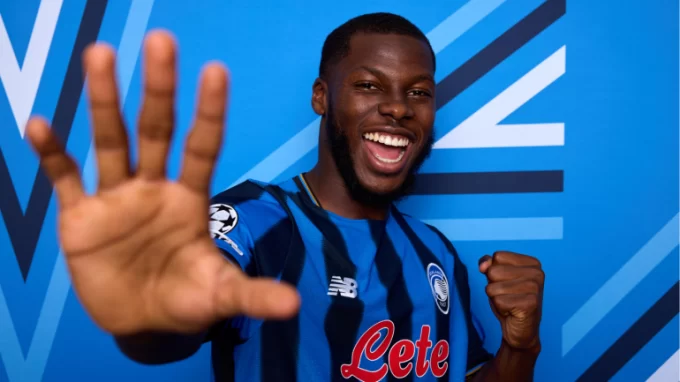
Juventus, Atalanta, and Arsenal’s Quiet Revolution: What’s Really Shaping This Week in Football?
The roar of Serie A stadiums masks a subtle shift, one that...
Kirsten Collins2 Mins read





Leave a comment