

The Cedric Gambit: What Are the Mets Really Playing For?
The New York Mets just made a flashy trade for Cedric Mullins, but beneath the stats and speed lies a deeper question—are they building a team, or a distraction?
 Kirsten CollinsJuly 31, 20252 Mins read14

The Mets didn’t just trade for Cedric Mullins—they bought a story, and they hope the audience is still paying attention.
On paper, it’s a clean deal: a versatile outfielder with speed, swagger, and the kind of work ethic that still whispers old-school baseball values. The Orioles, shedding skin in the form of a veteran star. The Mets, impatient as ever, clutching their playoff dreams like a fast-dimming sparkler. But it’s never really just about stats—not in New York. Not when a city demands narrative with every pitch, every trade. This move smells less like strategy and more like theater.
Mullins comes with numbers, sure—gold glove potential, All-Star pedigree, and a reputation for leading quietly, efficiently, like a man who learned to run before he learned to boast. But what exactly is he running toward in Queens? And what are the Mets running from? “I just want to win,” Mullins told reporters upon arrival. But whose version of winning is this, and at what cost?
Selling Speed, Buying Belief
It’s easy to slap excitement on a roster change and call it ambition. The front office will say Mullins fills a need. The headlines will say the Mets are serious. But serious about what? This isn’t 2015, and Citi Field isn’t patient. New York, as always, expects spectacle dressed as progress.
Mullins is the kind of player who erases excuses. He chases down balls other men quit on. He doesn’t take innings off. He makes entire games feel tighter, faster, less like nine innings and more like a live wire. But even electricity has to be grounded somewhere, and this Mets team? It’s been flickering between identities for too long. Is this a bold move or just another borrowed costume?
When a Roster Becomes a Mirror
The strange thing about baseball in cities like this is how easily it turns personal. The Mets aren’t just a team—they’re a reflection. Of borough mood swings, of generational anxieties, of hope so fragile it almost folds under scrutiny. Bringing Mullins into that storm is a calculated risk. He brings gravity. But gravity, by definition, pulls things down.
So what’s the story the Mets are writing? That speed can fix broken chemistry? That hustle will distract us from the emptiness between power hitters? Or is this a long game of optics—look busy, look loud, look like you care?
A man like Mullins can only run so far without the wind at his back.
—
And maybe that’s what we’re all waiting for, really—not just a win, but a reason. A crack in the wall of noise. A moment when the hustle feels less like escape and more like arrival. Until then, we watch. And wonder. How many miles can you run before the field runs out?







Barcelona’s Fragile Pursuit: When Injuries Threaten More Than Just a Season
A silence spreads over Camp Nou that no roar can drown out—two...
 Chris Marks2 Mins read
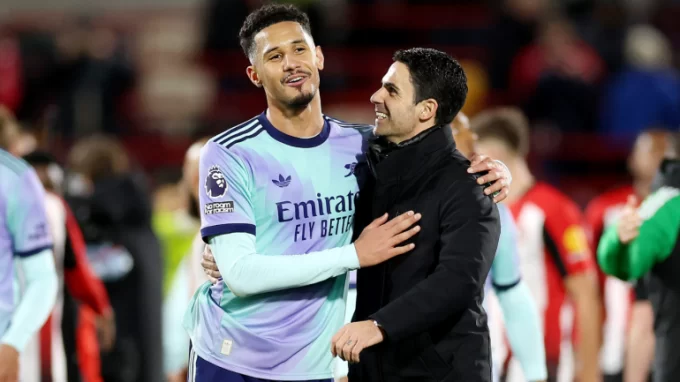
William Saliba: Arsenal’s Silent Architect or Its Greatest Gamble?
The air inside the Emirates shifts with unspoken tension—William Saliba, once a...
 Joseph Bennett2 Mins read

Joel Embiid’s Quiet Confidence: Is the 76ers’ Giant Ready to Rewrite His Story?
Joel Embiid is rarely one to make noise without purpose, and now,...
Kirsten Collins1 Mins read
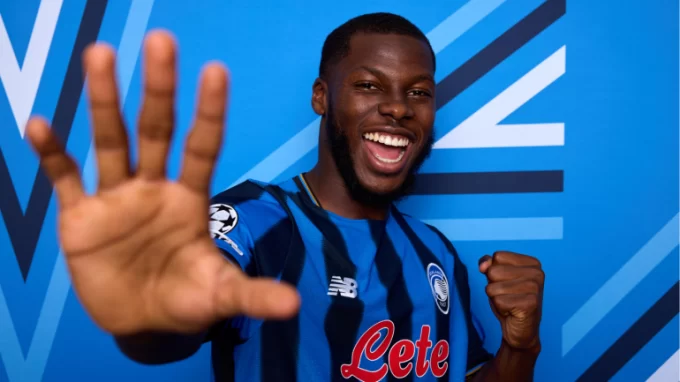
Juventus, Atalanta, and Arsenal’s Quiet Revolution: What’s Really Shaping This Week in Football?
The roar of Serie A stadiums masks a subtle shift, one that...
Kirsten Collins2 Mins read




Leave a comment