

Baby Blade, Broken Bonds, and the Blurred Edge of Fame
Machine Gun Kelly says Megan Fox "does all the work" with their baby—and the internet doesn't know whether to applaud the honesty or clutch its pearls. But in the performance of modern masculinity, who’s really holding the mic?
 Joseph BennettAugust 7, 20252 Mins read18
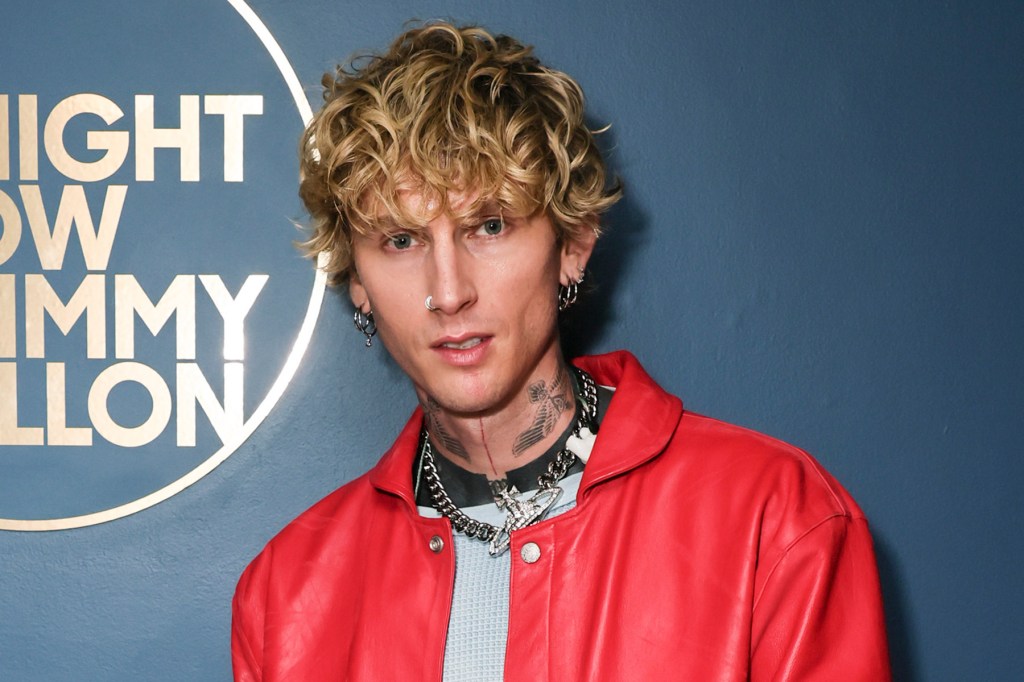
She wears latex like armor, quotes Nietzsche on red carpets, and disappears into the ether just when the tabloids think they have her cornered. He—Machine Gun Kelly, aka Colson Baker—prefers pink tongues and guitars, a walking id in designer combat boots. Together, Megan Fox and MGK were Hollywood’s most volatile alchemy. Until they weren’t.
Now comes a new character: Baby Blade. And with her, the chaos softens—just slightly. In a blink-and-you-missed-it interview with Showline, MGK drops the bomb no one asked for: “Megan does all the work.” No PR gloss. No rehearsed co-parenting script. Just a casually delivered admission that opens a wound beneath the celebrity gloss.
Some called it raw. Others, cowardly. But beneath the headlines, a larger, stranger question lingers: What does it mean when modern fatherhood becomes an aesthetic instead of a responsibility?
When Fatherhood Becomes a Look, Not a Labor
In a culture where vulnerability is currency and emotional unavailability is repackaged as artistic mystique, MGK’s remark lands with the subtlety of a dropped amp. It’s a confession dressed as charm, a shrug that says, “She’s the strong one,” while somehow still centering him.
The backlash is predictable. The mystery isn’t. Because despite the backlash, there’s still a slice of the population ready to forgive him. Perhaps because we’ve accepted, even fetishized, the idea of the “messy man.” The tortured male artist who dips in and out of his children’s lives like it’s part of his process.
“Megan’s incredible,” he adds later, as if that alone credits him. It’s a praise that feels like a pass. But is admiration enough when you’re on the sidelines of a life you helped create?
The Blade Isn’t the Baby. It’s the Divide
There’s something tragic about watching a man name his child “Blade” and then step back from the weight of fatherhood as if it might cut him. There’s no doubt MGK loves his daughter—but love, as we know, is no longer measured in lyrics or Instagram tributes. It’s measured in sleepless nights, bottle schedules, and a willingness to trade the stage for the silence of responsibility.
And yet, how American it is to perform fatherhood instead of live it. To give it a name sharp enough for a headline but not the commitment to carve out a quieter role. In the industry of image, perhaps even babies are branding.
Megan, meanwhile, is silent. Not because she’s voiceless—but because she’s chosen, as she often does, to withhold. And in that silence, she says more about labor, loyalty, and layered womanhood than any soundbite could.
There’s a photo floating around from last year: MGK holding a mic with one hand and shielding Blade’s face with the other. It’s the paradox of performance and privacy, masculinity and fragility, writ large in one snapshot.
And maybe that’s where the story really lives—not in the headlines or the he-said interviews, but in the question hanging in the air: Is this the evolution of fame, or just the repetition of an old, tired pattern in shinier packaging?
The baby is named Blade. But maybe it’s fame that cuts the deepest.






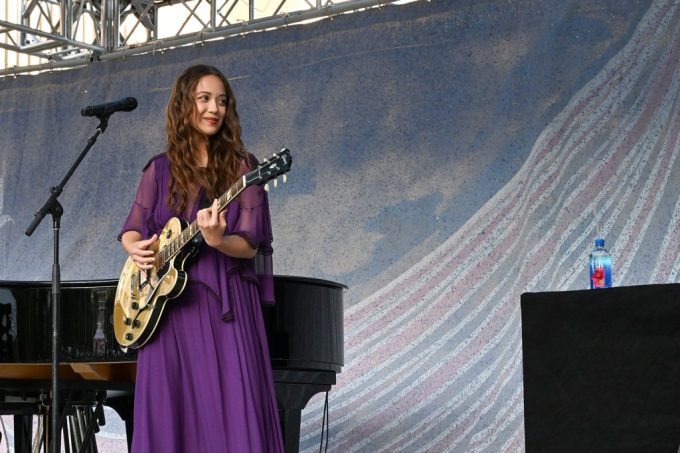
Laufey’s Opening Night Show at LA’s Crypto.com Arena: Best Moments
Laufey opened a two-night stand at Crypto.com Arena in downtown Los Angeles...
 Chris Marks6 Mins read
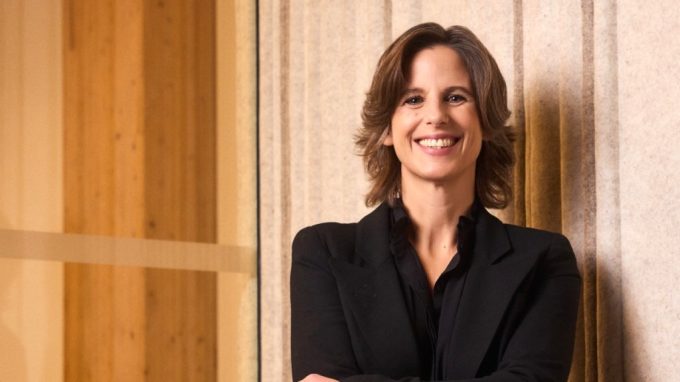
Julie Adam Is Billboard Canada Women in Music’s 2025 Exec of the Year
Julie Adam is having a milestone year — and it’s getting even...
Chris Marks4 Mins read
Spinal Tap Tribute Album with Foo Fighters,Tool for Teen Cancer America
Spinal Tap may be a fake band, but its music is very...
Chris Marks2 Mins read
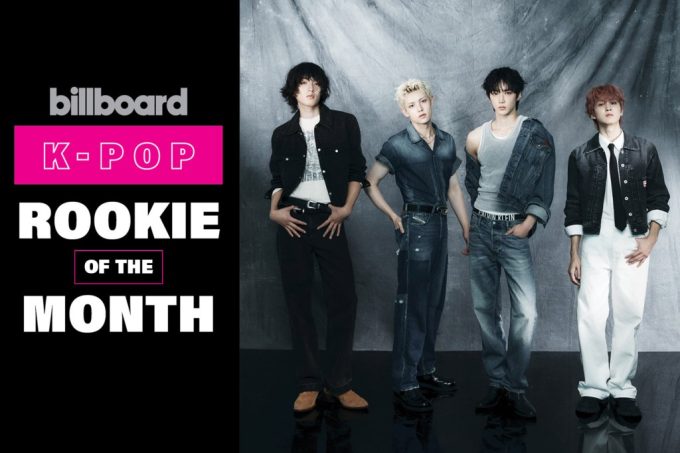
AxMxP Is K-Pop Rookie of the Month for September: Exclusive Photos
Ha Yoo Joon Image Credit: Chin Soyeon You debuted on Sept. 10....
Chris Marks2 Mins read





Leave a comment