

When a Star Defender Defects: Micah Parsons and the Silent Uprising in Dallas
Micah Parsons may be asking out—but it’s the Cowboys’ players changing their profile pictures that tells us everything we need to know. This isn’t a trade request. It’s a rebellion.
 Krista FreelandAugust 1, 20252 Mins read20
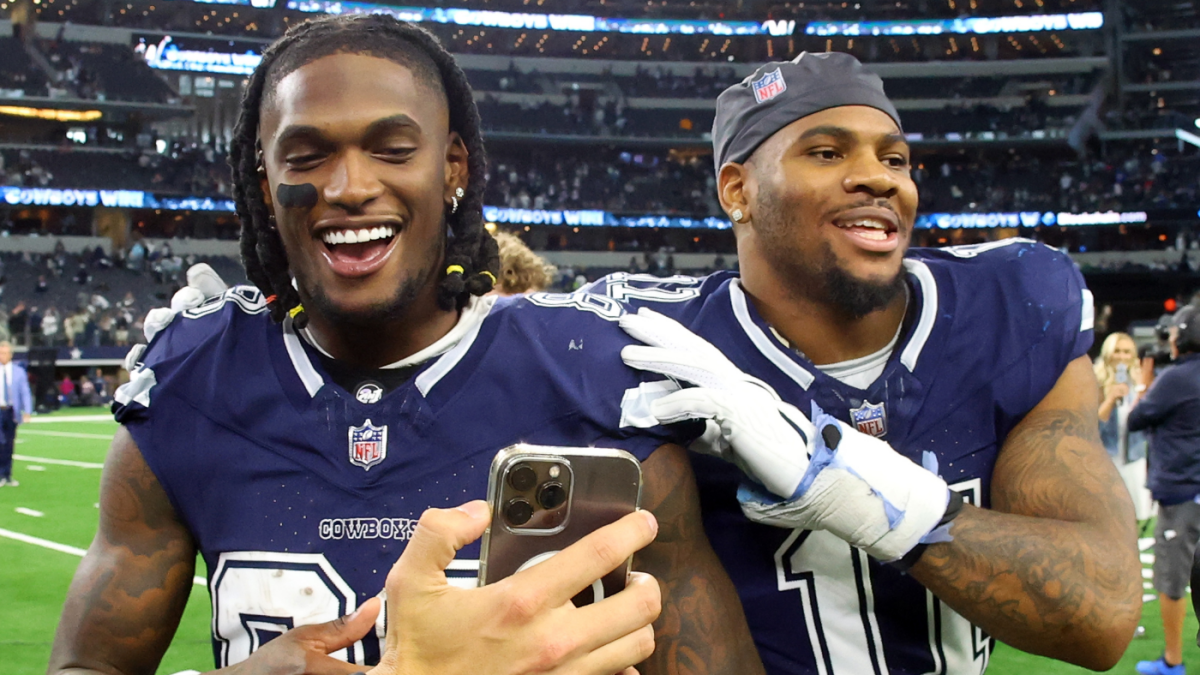
The first signal wasn’t a headline—it was a profile picture. Across Instagram and X, Cowboys players began quietly replacing their avatars with an image of Micah Parsons, looking every bit the franchise cornerstone he’s been since arriving in Dallas. But beneath that quiet show of support lies something louder: a tectonic shift within the Cowboys’ locker room. Not just over a trade request—but over what, exactly, the Cowboys have become.
Micah Parsons, the electrifying edge rusher who transformed Dallas’ defense into something nearly mythic, reportedly wants out. And while trade requests are part of the modern athlete’s vocabulary, the reaction from his teammates is anything but routine. This isn’t a star gone rogue. This is a locker room aligning with its outlier.
The Brand, the Franchise, and the Fracture
The Dallas Cowboys are not a football team. They are a billion-dollar myth machine. They don’t lose—they underperform. They don’t rebuild—they “reload.” But in recent seasons, the myth has frayed, tugged at by playoff exits and a growing chorus of discontent inside the very brand that once demanded reverence.
Parsons’ trade request isn’t about stats or salaries. It’s about a culture calcified at the top. Players know it. “They don’t see us as people,” said one former Cowboy, speaking anonymously. “Just pawns in the show.” The image campaign launched by his teammates feels almost subversive—a silent protest in a sport where unity is expected to remain invisible. The NFL is famously allergic to mutiny. And yet, here we are.
When Loyalty Looks Like Resistance
This is where it gets interesting. Instead of scrambling to silence or distance themselves from the controversy, players have chosen solidarity. Not in words—but in visuals. One by one, they’re replacing their digital identities with Micah’s. It’s the digital equivalent of turning a jersey inside out during a press conference, of refusing to smile after a win.
It also exposes something deeper: a generational shift in how athletes wield power. The Cowboys may own the stadiums, the contracts, the legacy—but the players own the narrative now. And that narrative is getting harder to script from a corporate boardroom. The fans aren’t just watching football anymore—they’re watching for signs of dissent, of discord, of authenticity.
This is not a trade story. This is a culture story.
What happens when the face of a franchise walks toward the exit—not with a press conference, but with his teammates walking beside him?
The Cowboys, as we knew them, might survive. But they may not look like America’s Team anymore.
And maybe—just maybe—that’s the point.



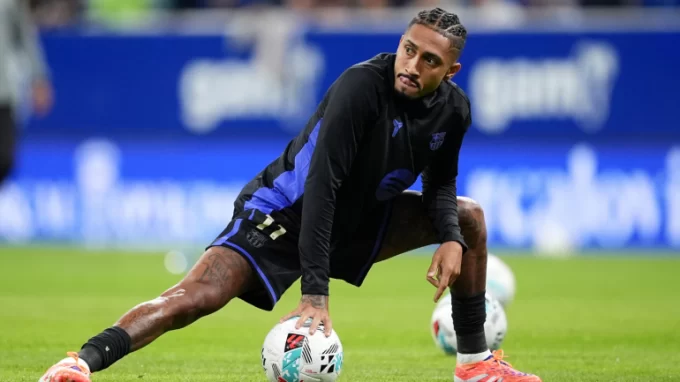
Barcelona’s Fragile Pursuit: When Injuries Threaten More Than Just a Season
A silence spreads over Camp Nou that no roar can drown out—two...
 Chris Marks2 Mins read
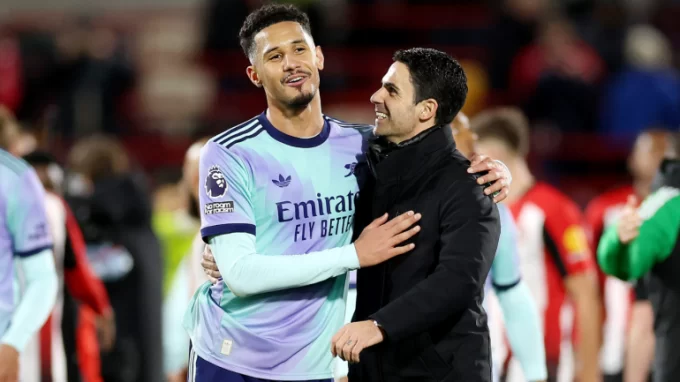
William Saliba: Arsenal’s Silent Architect or Its Greatest Gamble?
The air inside the Emirates shifts with unspoken tension—William Saliba, once a...
 Joseph Bennett2 Mins read
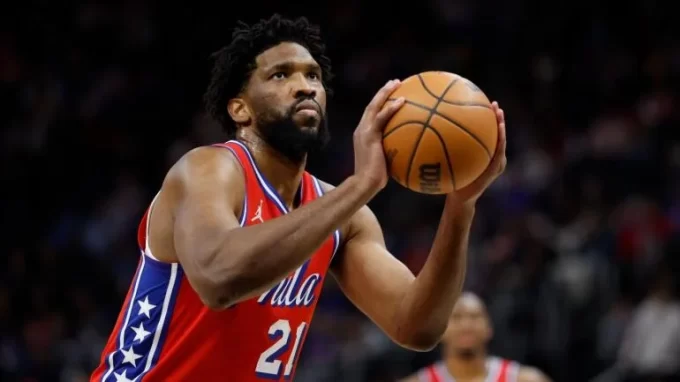
Joel Embiid’s Quiet Confidence: Is the 76ers’ Giant Ready to Rewrite His Story?
Joel Embiid is rarely one to make noise without purpose, and now,...
 Kirsten Collins1 Mins read
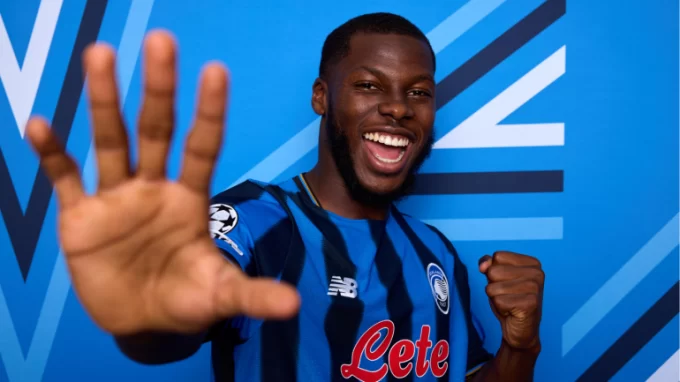
Juventus, Atalanta, and Arsenal’s Quiet Revolution: What’s Really Shaping This Week in Football?
The roar of Serie A stadiums masks a subtle shift, one that...
Kirsten Collins2 Mins read





Leave a comment