

When Pandora Burns: The Daunting Mysteries of Avatar: Fire and Ash
Jake and Neytiri wander a world scarred by fire—amidst new tribes, new betrayals, and a question that turns everything upside down.
 Krista FreelandJuly 24, 20252 Mins read30
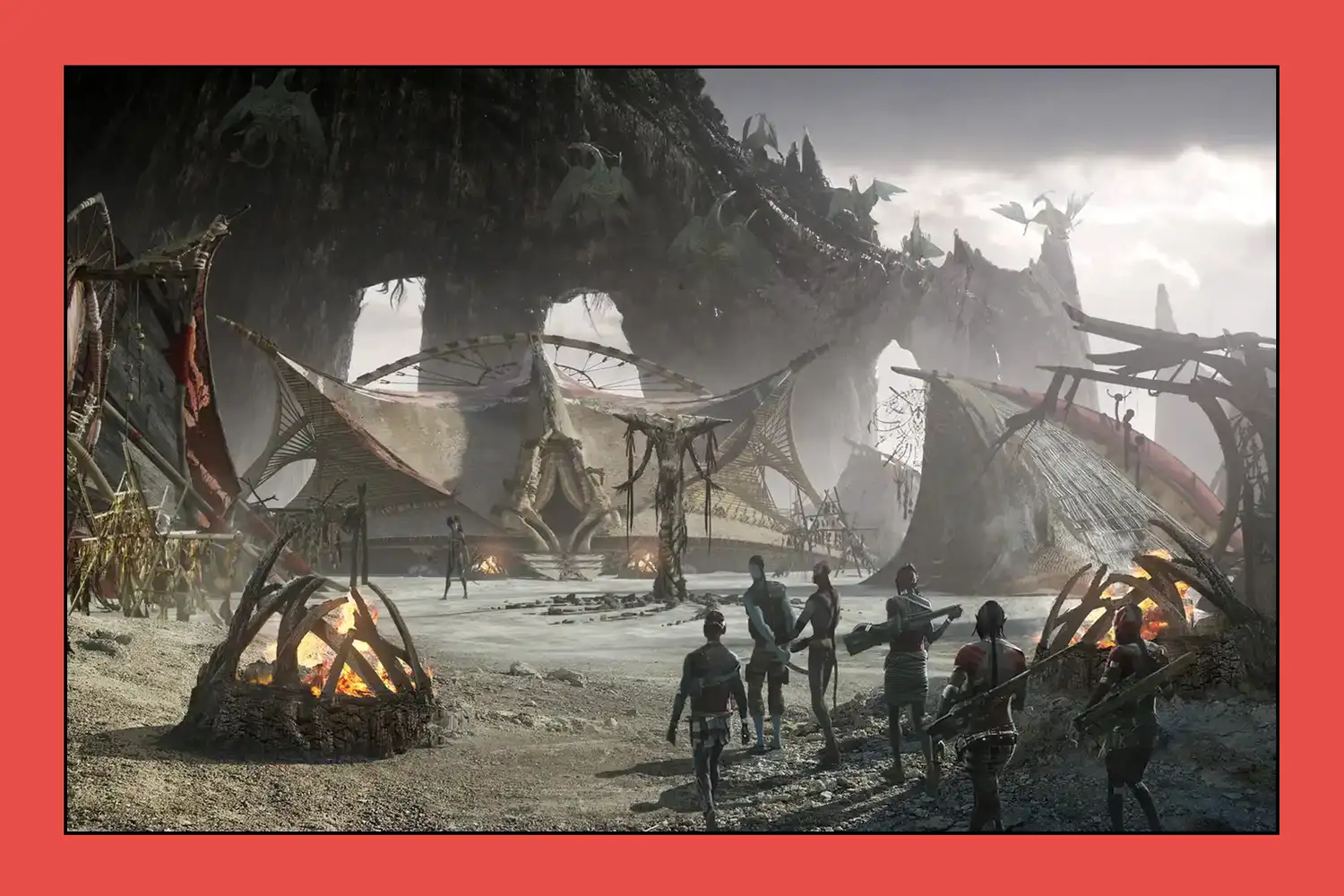
The air tastes like ash before you see the flicker of flame—then Varang appears, suspended over molten rock, holding fire in her palms as if commanding fate itself.
Jake Sully, broken by grief, turns his voice against Neytiri: “We cannot live like this, baby… in hate!” The trailer’s promise isn’t just spectacle—it’s the moment Pandora’s internal wounds bleed out.
The third Avatar film may promise seismic visuals, but it teems with moral rupture. Cameron’s new Na’vi clans are more than world-building flourishes—they’re ideological fractures. The peaceful, drifting Wind Traders float above the conflict; the Ash People pound the earth with volcanic wrath, led by the unyielding Varang, played by Oona Chaplin. She’s more than a villain—she’s vengeance incarnate, hardened by hardship. “She will do anything for them, even things we would consider to be evil.” That’s Cameron’s stark invitation to question who defines evil.
They introduce a feral kind of Na’vi, once presumed impossible. Are we witnessing the same spiritual beings we believed in? Or has the trauma of conflict shaped a tribe that rejects Eywa altogether, determined to survive through fire rather than harmony?
Molten Horizons, Moral Ambiguities
Pandora’s skies will seethe with airborne war—banshees dive through volcanic storms, flaming arrows slashing across the horizon. Yet in the middle of this chaos, the Wind Traders drift like neutral witnesses, ferrying secrets across an unraveling world.
Kiri trembles under Varang’s gaze, as the antagonist snarls: “Your goddess has no dominion here.” And somewhere beyond that threat lies Quaritch, resurfaced—not just as a human enemy, but as a recombinant Na’vi, forging alliances that blur the line between betrayal and survival.
This isn’t revered simplicity—it’s fractured ontology. This is Avatar turning inward, asking: what happens when the defenders of tradition become the aggressors of progress?
Ash, Grief, The Cycle Repeats
Cameron frames Fire and Ash as more than a film—it’s a philosophical spiral: fire as hatred, ash as aftermath. Grief cycles into violence; violence becomes legacy. The trailer’s emotional crescendo is raw—Neytiri, mourning her son, drawing her bow as if aiming at fate itself.
Lo’ak, now narrator, steps into the throes of generational change—his coming of age overshadowed by death and rebellion. Even Jake’s adopted human son, Spider, finds himself torn between species and loyalty—a living, breathing metaphor for conflict.
The Ash People don’t just threaten Jake’s clan—they threaten the myth of Na’vi unity. They challenge rhetorical boundaries by being Na’vi who chose violence, ideology, even sacrifice over spiritual peace.
—
The world Cameron built in shimmering oceans now crackles under volcanic glow—and we’re left with sulfur and silence.
What if healing requires burning? What if the sacred traditions fracture under their own weight? As Pandora trembles beneath fire and ash, are we seeing its destruction—or its rebirth?






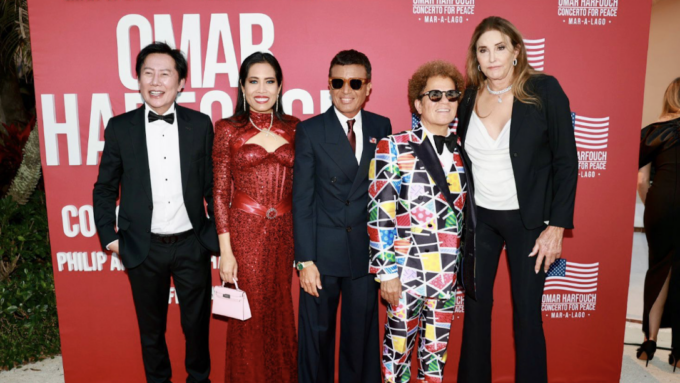
Pianist Omar Harfouch Brings Celebrated Figures Together for a Night of Cultural Exchange – Hollywood Life
Image Credit: Omar Harfouch On February 20, 2026, pianist and cultural figure...
 Kirsten Collins2 Mins read

Who Is Ivana Lisette Ortiz? About the Rihanna Home Shooting Suspect – Hollywood Life
Image Credit: WWD via Getty Images The suspect in the March 8,...
Kirsten Collins1 Mins read
How Much Money Does She Have Now? – Hollywood Life
Image Credit: WWD via Getty Images Rihanna may be known as one...
Kirsten Collins2 Mins read
Stars Who Slammed ‘Love Story: JFK Jr. & Carolyn Bessette’: Statements – Hollywood Life
Image Credit: Getty Images FX’s Love Story: John F. Kennedy Jr. and...
Kirsten Collins2 Mins read





Leave a comment