

What Molly Burke Sees That We Don’t
In her memoir Unseen, blind YouTuber Molly Burke doesn’t just challenge how we look at disability—she forces us to confront the blindness we choose.
 Chris MarksMay 7, 20252 Mins read31
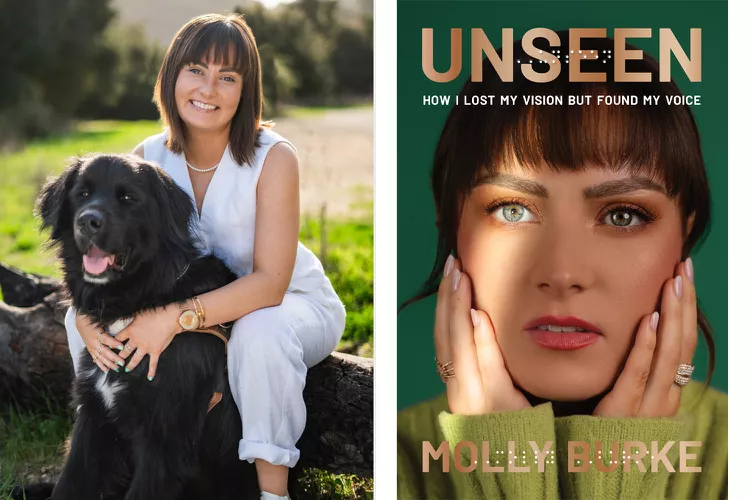
She walks through hotel lobbies like battlefields—familiar terrain masked in perfume, polished floors, and the smiling disorientation of strangers. Every step is intentional. Every encounter is filtered through sound, memory, and instinct. Molly Burke has been navigating a world that wasn’t designed for her since she was four years old. But Unseen, her upcoming memoir, isn’t just about blindness. It’s about what the rest of us refuse to see.
Molly has always been a contradiction the media doesn’t quite know how to hold: glamorous but gritty, vulnerable but sharp, perfectly coiffed with a Labrador in tow. She’s not the kind of disability narrative we’re used to. She doesn’t beg for sympathy; she dismantles it. And with Unseen, she’s pushing even harder—writing not just for those who watch her, but for those who think they already understand her.
Pretty, Poised, and Disruptive
Burke’s rise from bullied teen to motivational speaker to full-fledged digital personality has been well-documented, yet curiously sanitized. The YouTube thumbnails are cheerful, the captions witty, but the truth she hints at in her book is far more jagged. “Being blind,” she writes, “isn’t my biggest challenge—it’s being underestimated every single day.”
That line lands like a slap. Not because it’s shocking, but because we know it’s true—and still, we participate. We scroll past people like Molly and think “inspiring” as though it’s a compliment, not a dismissal. Her memoir’s very title—Unseen—feels like a quiet indictment. What systems have we built that let someone be followed by millions, yet still feel invisible?
There’s elegance in how Burke frames her world, but there’s also fury. And the fury matters. For years, disability has been cast as either tragedy or triumph, with little room for the messy, political, glorious in-between. Burke lives in that in-between—and she is finally writing from it, not around it.
We Love Visibility—Until It Gets Complicated
Publishing loves a comeback story. It loves resilience. But what does it do with someone who’s already made it and still insists on shaking the table? Molly Burke isn’t offering a neat narrative arc. She’s challenging the very frameworks we use to understand personhood, beauty, and power.
It’s no accident that her memoir arrives in a moment when authenticity has been commodified to death. The influencer era has trained us to believe vulnerability is currency—so long as it’s digestible. Burke refuses to make her truth bite-sized. She dares to be both glamorous and angry. Both gracious and unforgiving. That’s the real revolution.
And let’s not ignore the optics—because they’re the point. Burke, blind since childhood, is often dressed better than the people who pretend not to see her. It’s an aesthetic rebuttal to erasure. Style as protest. Gloss as armor. “When you’re blind,” she says in a recent interview, “you become hyper-aware of how people perceive you. That awareness can be a weapon or a wound.”
So, what do we actually see when we look at Molly Burke? A success story? A disruption? A mirror?
Her memoir won’t offer easy answers. But maybe that’s the brilliance of Unseen. It isn’t asking us to look harder. It’s asking us to look differently.
And once you start doing that, what else might come into view?



When “107 Days” Meets Outcry: Harris’s Book Tour Interrupted
The microphone crackled to life, and before Harris could finish her opening...
Chris Marks1 Mins read
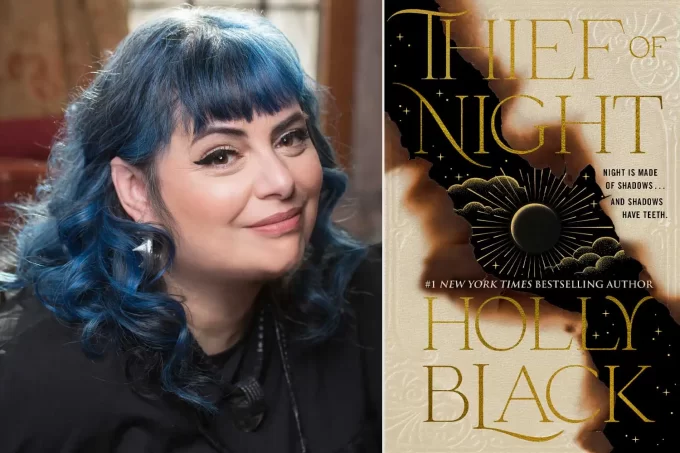
Whispers in the Shadows: Why Holly Black’s Sequel Is a Dark Invitation We Can’t Ignore
The night isn’t just dark—it’s ravenous, greedy, and it’s coming for you....
Chris Marks2 Mins read
Why Stephenie Meyer’s Regret About Edward Changes Everything You Thought You Knew
The moment Stephenie Meyer admitted she wouldn’t pick Edward Cullen today, a...
Chris Marks2 Mins read
When Fear, Fury & Feathers Collide: Cinema, Superheroes, and a Confessional Album
Open with tension—the kind that threads through a scream, a reveal, and...
Chris Marks2 Mins read




Leave a comment