

Mick Ralphs: The Understated Riff-Maker Who Quietly Defined Rock
Mick Ralphs, mastermind guitarist behind Mott the Hoople and Bad Company, has died at 81—leaving behind riffs that became cultural touchstones. But what did his restraint and modesty cost the soundscape he helped shape?
 Krista FreelandJune 23, 20251 Mins read24
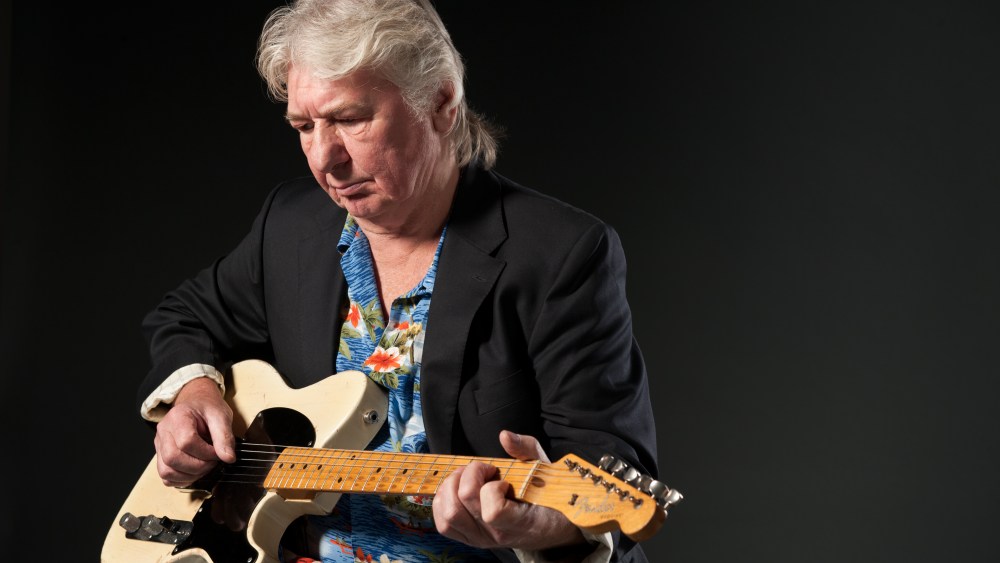
He never needed spotlight theatrics—his power lay in spacing, in silence, in the moment a riff took hold and refused to let go. Now, with Mick Ralphs gone at 81, we’re left examining not fireworks, but the quiet tremors his guitar left in our bones.
From the gritty glam of Mott the Hoople to the arena grandeur of Bad Company, his fretboard fingerprints are woven into songs we hum without knowing their architect—or the subtle art he practiced.
When Simplicity Became Iconic
Ralphs didn’t chase complexity: a Gibson, open-C tuning, and melodic simplicity—yet he built giants. He wrote “Can’t Get Enough,” its intro riff matching stadium lights with visceral punch, and “Ready for Love,” which began as a Mott the Hoople track before blossoming into a Bad Company ballad, its emotional arc underscored by his yearning chords. He once admitted those notes owed as much to space as sound—teaching rock restraint.
His peers recognized: he wasn’t flamboyant, but he was foundational. You heard his touch and felt the groove—long after the chord faded.
Legacy Beyond the Legends
Post-stroke in 2016, Ralphs withdrew, but his influence never dimmed. Fans on Reddit insisted he “never gets mentioned in guitarist discussions but he’s great in my book,” acknowledging greatness not always credited. He avoided fame’s glare—no flashy selfies or showmanship—but crafted authenticity. That choice raises a question: does rock history favor spectacle over substance?
So we return to that opening riff—unadorned, pure, yet utterly transformative. His death demands we ask: in a world chasing flash, can we still honor the quiet builders, the understated architects who shaped soundscapes without ever stepping into the spotlight’s glare…?





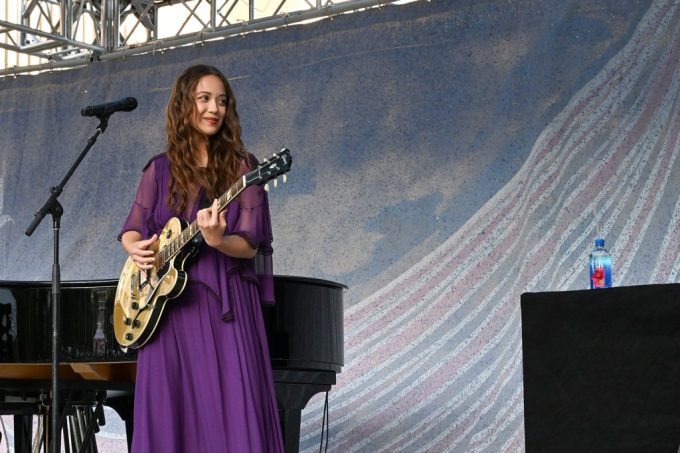
Laufey’s Opening Night Show at LA’s Crypto.com Arena: Best Moments
Laufey opened a two-night stand at Crypto.com Arena in downtown Los Angeles...
 Chris Marks6 Mins read
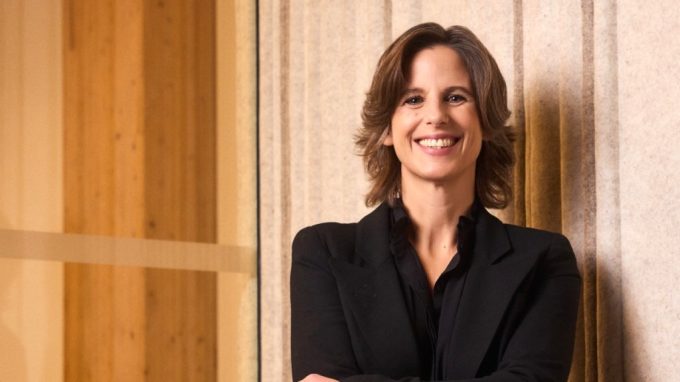
Julie Adam Is Billboard Canada Women in Music’s 2025 Exec of the Year
Julie Adam is having a milestone year — and it’s getting even...
Chris Marks4 Mins read
Spinal Tap Tribute Album with Foo Fighters,Tool for Teen Cancer America
Spinal Tap may be a fake band, but its music is very...
Chris Marks2 Mins read
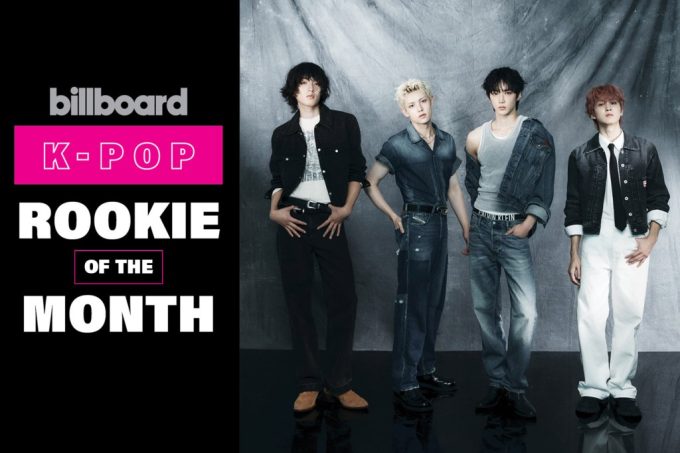
AxMxP Is K-Pop Rookie of the Month for September: Exclusive Photos
Ha Yoo Joon Image Credit: Chin Soyeon You debuted on Sept. 10....
Chris Marks2 Mins read





Leave a comment