

When Teen Mom Stars Rewrite the Rules of Fame in 2025
Bold, unvarnished, and deeply tangled in the contradictions of celebrity culture, Teen Mom stars in 2025 aren’t just surviving—they’re reshaping what it means to grow up in the public eye. What does their journey say about fame, resilience, and our hunger for authenticity?
 Chris MarksJune 11, 20252 Mins read16

They say reality TV is a mirror, but what happens when that mirror fractures—splintering into millions of reflections none quite true, yet all painfully real? The Teen Mom stars of 2025 stand at this intersection, caught between the relentless glare of the camera and the private chaos of their own lives. They are no longer just reality TV fixtures; they are symbols of something far more complicated: the modern, messy myth of growing up under scrutiny, amplified by a society that both venerates and devours young women’s stories.
Their milestones are not merely about babies or broken relationships—they are milestones of survival, reinvention, and a kind of grit that refuses to be neatly packaged for the tabloids. Take, for example, one star’s recent admission that “the public only sees the highlight reel, but my real life is raw and relentless.” How many of us can say the same, outside the realm of cameras and headlines?
The Public Is a Stage—but Who Controls the Script?
These young women have long been the subject of public judgment, their choices dissected under the unforgiving microscope of fame. Yet, something has shifted. The power dynamic is subtly, but undeniably, tilting. No longer passive subjects, many Teen Mom stars in 2025 are seizing control—crafting their narratives on social media, launching businesses, advocating for causes, and challenging the simplistic narratives the media once imposed on them. Are we witnessing a cultural reclaiming of agency, or just another layer of carefully curated performance?
The irony is thick: their lives, once reduced to cautionary tales, have become blueprints for empowerment—albeit imperfect and fiercely contested ones. As one star confessed in a rare, candid moment, “I am more than what you see on TV—I am my mistakes, my growth, and the way I choose to rise.” In an age obsessed with authenticity, what does it mean to live a life that is both real and relentlessly public?
Beyond the Spotlight: The Shadows We Don’t Talk About
But with fame comes shadows. The spotlight that nurtures can also burn, leaving scars that the camera lens conveniently ignores. Mental health, financial instability, fractured relationships—these aren’t just headline fodder; they are the silent battles beneath every milestone celebrated. The question remains: are we prepared to witness these women in their full complexity, or will we continue to demand neat resolutions that reality never offers?
There is an unmistakable tension between visibility and vulnerability. Teen Mom stars exist in this crucible, forging identities that must withstand the scrutiny of millions while grappling with their own evolving selves. Their stories force us to confront a larger cultural paradox: how much of public life is performance, and how much is painfully, irrevocably real?
The road these young women travel is a tangled narrative of myth and truth, resilience and exploitation. As the cameras continue to roll and social media churns, the question lingers: who truly owns the story—the stars who live it, or the audience that watches? The answer, perhaps, is less a resolution and more a whisper echoing long after the final scene fades.






When Mercy Meets Tragedy: The Widow Who Forgave Her Husband’s Killer
The air thickens when forgiveness enters a room meant for grief. Imagine...
Chris Marks1 Mins read
When Fear Became a Lifeline: Pete Davidson’s Reckoning in Rehab
There’s a silence that follows a mother’s voice when she confesses her...
 Joseph Bennett1 Mins read
Pete Davidson’s mom told him in rehab worst fear was learning he died
Pete Davidson is opening up about the heartbreaking moment he had with...
Chris Marks2 Mins read
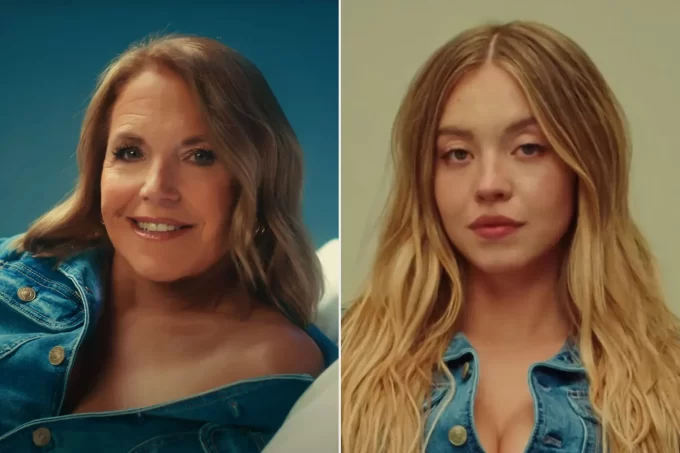
Katie Couric’s Unexpected Spin on Sydney Sweeney’s American Eagle Ad: What’s Really Being Said?
Katie Couric stepping into a scene dominated by Gen Z glamour feels...
 Krista Freeland2 Mins read




Leave a comment