

Miley Cyrus: Sobriety, Silence, and the Shadow of Beyoncé
Miley Cyrus’s recent candid revelations about sobriety and her unexpected refusal to tour with Beyoncé crack open a new chapter—one charged with introspection, power dynamics, and unanswered questions about fame’s real cost.
 Kirsten CollinsJuly 15, 20252 Mins read23
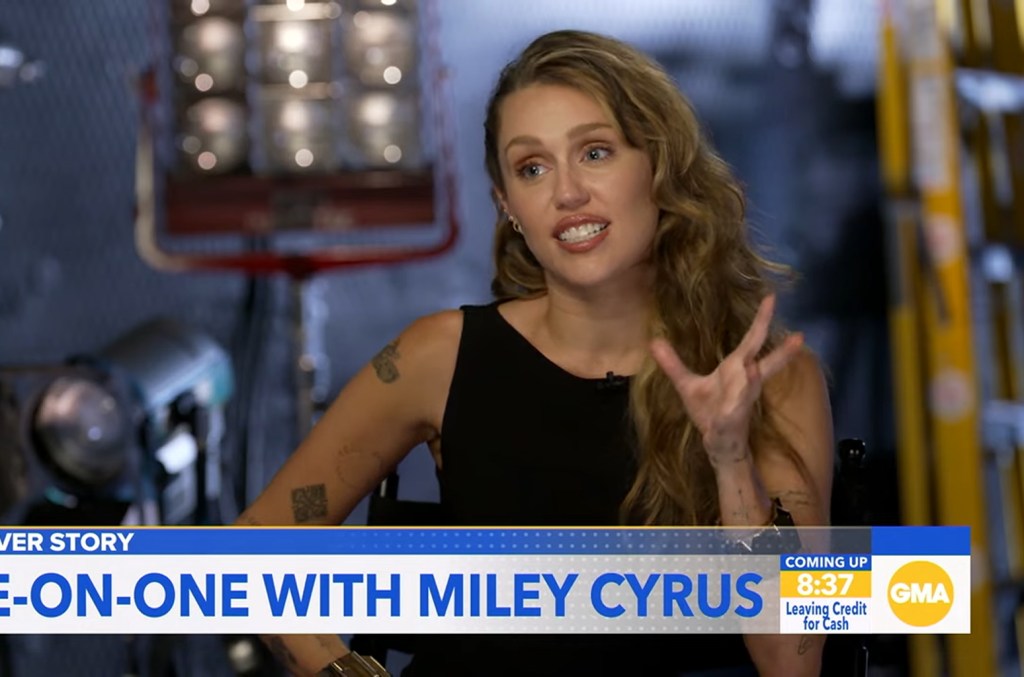
The spotlight shifts, but Miley Cyrus refuses to dance under it on someone else’s stage. When she declared no desire to tour with Beyoncé, it was more than a career decision—it was a quiet rebellion wrapped in layers of sobriety, self-possession, and unspoken tension. This is not the Miley who thrived on chaos; this is an artist who has recalibrated everything, including what it means to be a star in a world addicted to spectacle.
What does it mean when one of pop’s most electrifying performers steps back from a potential collaboration with an icon like Beyoncé? Is it a statement of independence, a sign of industry fatigue, or a revelation about the cost of fame?
The Quiet Power of Saying No
Sobriety often brings clarity, and for Miley, that clarity seems to be reshaping her relationship to music and power. Touring with Beyoncé, a peer and cultural titan, might sound like an obvious step up, but Miley’s refusal challenges the assumption that bigger always means better. “I’m in a different headspace,” she said, a simple line loaded with implications about personal boundaries and evolving ambitions.
This is a moment that forces us to ask: what are we really asking of artists when we expect constant collaboration, endless tours, and public vulnerability? Is Miley rewriting the rules of stardom, or simply exposing the toll that the relentless industry machine extracts from its brightest stars?
Between Sobriety and Stardom
The juxtaposition is sharp: sobriety, often a path toward peace, intersecting with a career built on noise and excess. How does Miley navigate this paradox? She’s not just stepping away from the usual spectacle; she’s hinting at a deeper cultural shift—one that values authenticity over amplification, wellness over nonstop hustle. Yet, the question lingers: can the music industry accommodate this new kind of star without devouring her in the process?
One source close to Miley observed, “She’s not just sober from substances, she’s sober from expectations.” That sobriety extends beyond addiction to a detoxification from the industry’s unrelenting demands—a quiet refusal to be anyone but herself, even if that means saying no to Beyoncé.
In the end, Miley Cyrus’s choices invite us into a rare kind of intimacy with fame—one that feels less like a bright spotlight and more like a flickering candle in a dark room, inviting us to wonder what really burns beneath the surface.






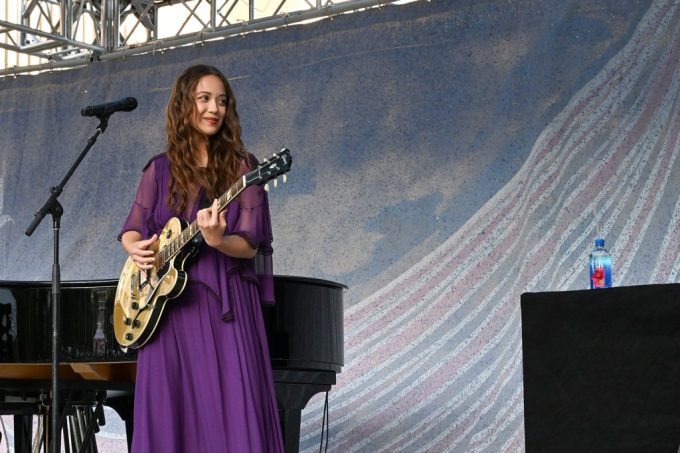
Laufey’s Opening Night Show at LA’s Crypto.com Arena: Best Moments
Laufey opened a two-night stand at Crypto.com Arena in downtown Los Angeles...
 Chris Marks6 Mins read
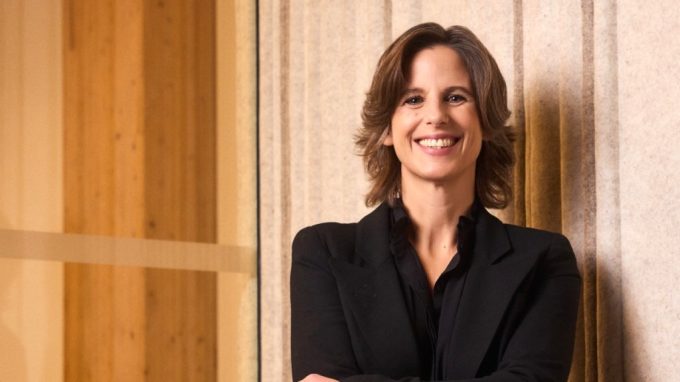
Julie Adam Is Billboard Canada Women in Music’s 2025 Exec of the Year
Julie Adam is having a milestone year — and it’s getting even...
Chris Marks4 Mins read
Spinal Tap Tribute Album with Foo Fighters,Tool for Teen Cancer America
Spinal Tap may be a fake band, but its music is very...
Chris Marks2 Mins read
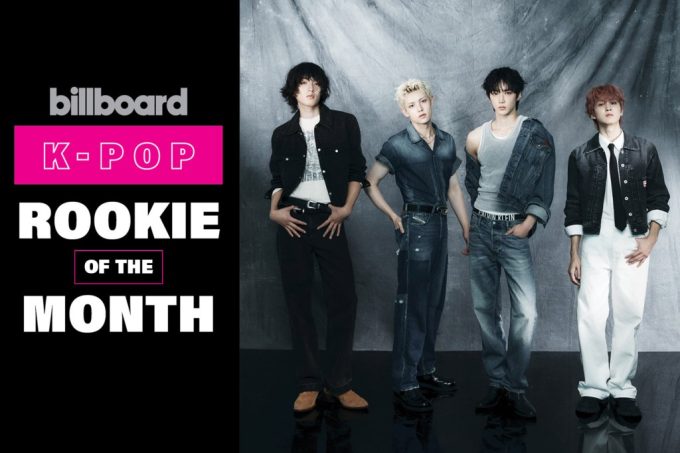
AxMxP Is K-Pop Rookie of the Month for September: Exclusive Photos
Ha Yoo Joon Image Credit: Chin Soyeon You debuted on Sept. 10....
Chris Marks2 Mins read





Leave a comment