

Miriam Altman’s “The Train”: A Journey That Defies Musical Boundaries
What happens when music is no longer just sound, but an entire journey? Miriam Altman’s debut jazz single, The Train, promises an experience that goes far beyond the melody—inviting listeners to rethink what it means to be truly transported.
 Kirsten CollinsApril 25, 20252 Mins read29
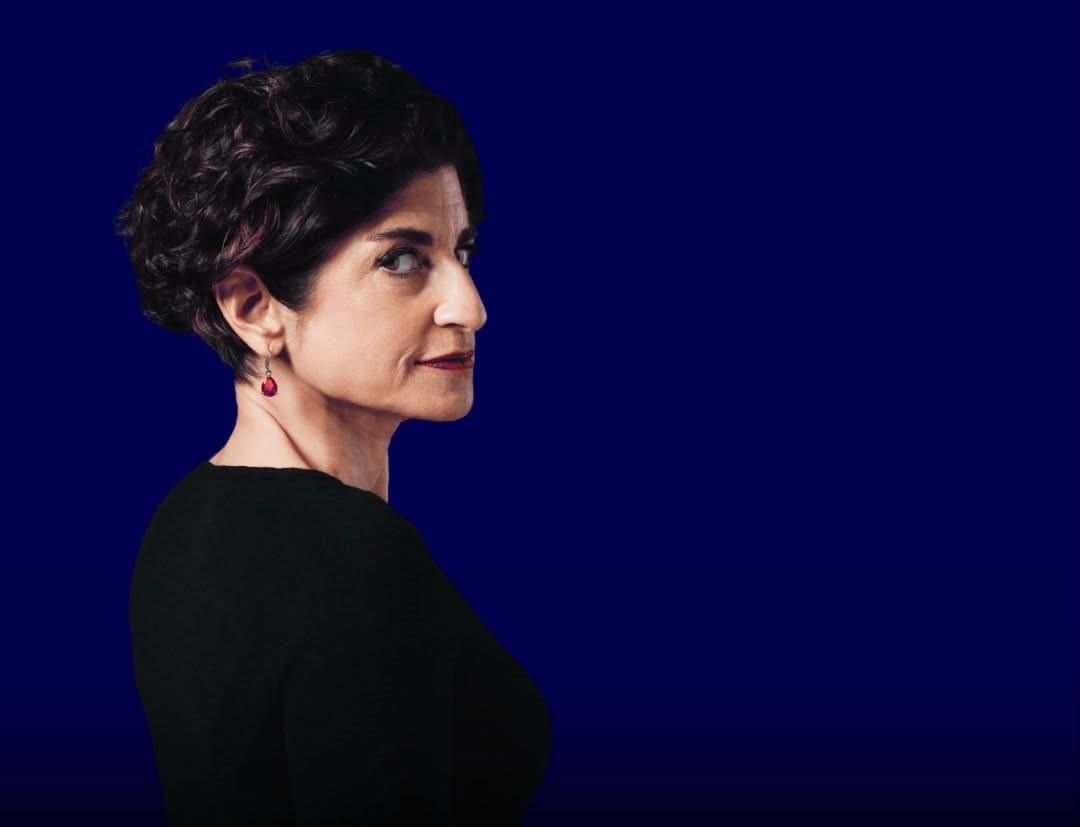
You don’t just listen to Miriam Altman’s debut single, The Train—you take a ride. And not just any ride, but one that challenges the very concept of what jazz can be, what music can do. As the first notes hit, it’s clear: this is more than just a song. It’s an invitation to step aboard a journey that stretches time, space, and your understanding of musical boundaries.
In a world saturated with melodies designed for the ear, The Train demands something more—your complete attention. Altman isn’t merely playing instruments; she’s weaving a story. The track is a strange amalgamation of motion and stillness, joy and melancholy, chaos and calm. The way it builds, without ever quite resolving, leaves you questioning: What are we really chasing in this world of music?
The Sound of Movement
Is the rhythm merely the train’s wheels clattering along, or is it something deeper—a pulse that mirrors the beat of life itself? Altman doesn’t just invite you to listen; she beckons you to feel. The sound is alive, not bound by any genre, just like a train, constantly moving yet always present in the now. “Music is a train,” Altman says, “you can’t go backward, and you can’t stop the momentum.” She’s right. But the question is: Where is this train headed?
As the melody swells and ebbs, each instrument adding its own layer to the composition, it becomes clear: The Train isn’t just a track—it’s an allegory for life’s unpredictable, ever-moving journey. The emotions it stirs can’t be neatly classified. The haunting harmonies strike at your soul, while the rapid beats reflect a pulse that never stops. Altman plays with time, and in doing so, she plays with your perception of it.
A New Kind of Jazz
With The Train, Altman doesn’t just make jazz; she reinvents it. Here, improvisation isn’t just a tool; it’s a philosophy. The moment Altman picks up her saxophone, it’s as though the air shifts. You’re no longer just an observer; you’re part of the unfolding narrative. The tension of the piece builds not from force, but from intention—each note deliberate, each pause pregnant with meaning. It’s not about the technical mastery alone, but how she harnesses that mastery to provoke.
In an industry often fixated on clear boundaries—“jazz is this, pop is that”—Altman refuses to be confined. Instead, The Train is a manifestation of what happens when you let sound take its own course. It’s unpredictable, emotional, and leaves you wondering: What are the limits of musical storytelling? Can the essence of a song transcend the notes themselves? Altman seems to suggest that it can.
The experience of The Train doesn’t end when the track does. It lingers, like the memory of a journey you didn’t want to end but knew you had to let go of. As you exit this sonic landscape, you’re left with the quiet hum of the tracks in your mind, asking yourself one thing: Will Miriam Altman’s next journey be even more transformative? What waits for us at the next stop?







Laufey’s Opening Night Show at LA’s Crypto.com Arena: Best Moments
Laufey opened a two-night stand at Crypto.com Arena in downtown Los Angeles...
 Chris Marks6 Mins read

Julie Adam Is Billboard Canada Women in Music’s 2025 Exec of the Year
Julie Adam is having a milestone year — and it’s getting even...
Chris Marks4 Mins read

Spinal Tap Tribute Album with Foo Fighters,Tool for Teen Cancer America
Spinal Tap may be a fake band, but its music is very...
Chris Marks2 Mins read

AxMxP Is K-Pop Rookie of the Month for September: Exclusive Photos
Ha Yoo Joon Image Credit: Chin Soyeon You debuted on Sept. 10....
Chris Marks2 Mins read




Leave a comment