

Diamond Dreams or Data Doldrums? The Hidden Art of MLB Daily Fantasy Baseball
Every August, a quiet revolution unfolds in digital baseball arenas, where millions wager not just on players, but on numbers, narratives, and near-mythical strategies. But what really drives success in MLB daily fantasy—and why is the game far from what it seems?
 Chris MarksAugust 11, 20252 Mins read19

The crack of the bat is no longer the only sound echoing through August afternoons. Beneath the surface of a classic pastime lies a digital shadow game — MLB Daily Fantasy Baseball — where billions of data points, insider whispers, and algorithmic sorcery collide in a frenzy of bets, picks, and fleeting glory. This is not your grandfather’s baseball, nor is it just a numbers game. It’s something more intoxicating, more maddeningly elusive.
To the casual observer, fantasy baseball might look like a glorified guessing game: pick the hottest hitter, stack the pitchers, pray for the stars to align. But for the obsessives who live by DraftKings and FanDuel lineups, each choice is a chess move across an invisible diamond, where the stakes are psychological, cultural, and increasingly financial. The real question is: how much of this is skill, and how much a dance with chaos disguised as science?
Numbers That Whisper, Strategies That Shout
Behind every “best pick” article and lineup advice lies a dense forest of statistics—batting averages, on-base percentages, spin rates, exit velocities—that would make even the most seasoned sports analyst dizzy. Yet, the truth is that fantasy baseball success hinges on the unseen: the gut feeling, the late-night research rabbit holes, the reading between the lines of injury reports and weather forecasts. As one insider confessed, “It’s part math, part art—sometimes the numbers lie, and you have to know when to trust your instincts.”
This tension between cold data and warm intuition reveals something fascinating about the fantasy baseball universe: it’s a reflection of how we grapple with uncertainty in the digital age. We want control—predictable outcomes, winning formulas—but we’re also addicted to the gamble, the surprise, the sheer unpredictability of the sport and life itself.
The Cult of the Player and the Allure of the Underdog
While analytics dominate, the players themselves remain icons of narrative and myth. The fan-favorite sluggers and rising rookies are not just stats; they are characters in an ongoing drama, heroes in a saga that stretches beyond the numbers on a screen. The fantasy baseball community, in this sense, becomes a kind of informal fandom laboratory—where stories are as powerful as stats, and the underdog’s rise can still shift the entire landscape.
As the season heats up, the real artistry lies in balancing reverence for the game’s traditions with the demands of a mercilessly modern, data-driven ecosystem. The question lingers: in this brave new world of fantasy sports, what is lost—and what is gained—when the human element is filtered through an algorithm?
The digital diamond glimmers with promise, but it also conceals shadows. In chasing victory through stats and strategy, are we also chasing an illusion? Maybe, in the end, the greatest fantasy is the idea that we can ever truly master the game.


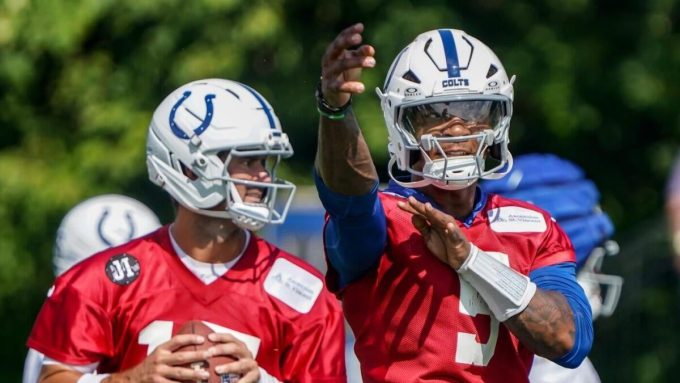




Barcelona’s Fragile Pursuit: When Injuries Threaten More Than Just a Season
A silence spreads over Camp Nou that no roar can drown out—two...
Chris Marks2 Mins read

William Saliba: Arsenal’s Silent Architect or Its Greatest Gamble?
The air inside the Emirates shifts with unspoken tension—William Saliba, once a...
 Joseph Bennett2 Mins read
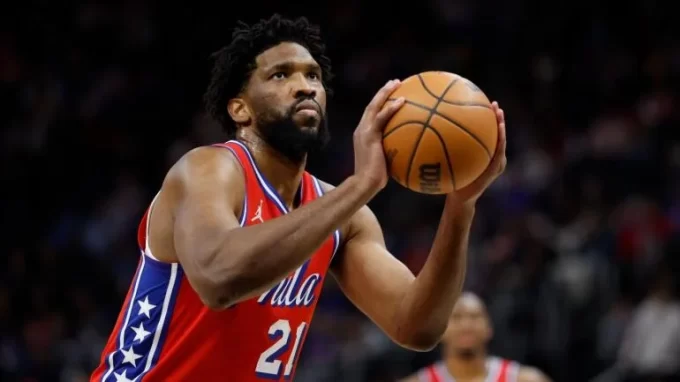
Joel Embiid’s Quiet Confidence: Is the 76ers’ Giant Ready to Rewrite His Story?
Joel Embiid is rarely one to make noise without purpose, and now,...
 Kirsten Collins1 Mins read
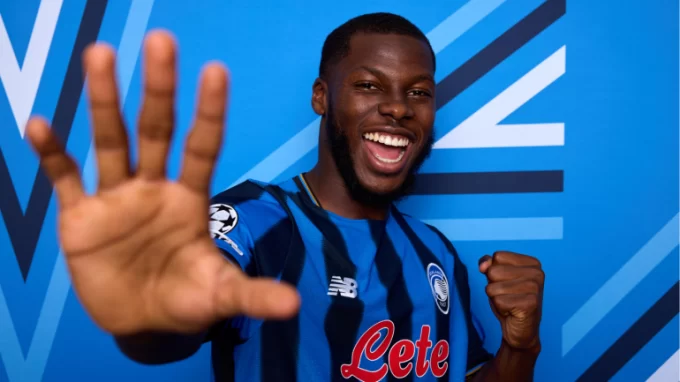
Juventus, Atalanta, and Arsenal’s Quiet Revolution: What’s Really Shaping This Week in Football?
The roar of Serie A stadiums masks a subtle shift, one that...
Kirsten Collins2 Mins read





Leave a comment