

The Thrill of the Gamble: MLB DFS Picks That Could Make or Break Your May 21st Lineup
For the MLB DFS enthusiast, Wednesday, May 21, 2025, offers a chance to strike big, but with every pick comes the weight of uncertainty. Will your lineup be the one that hits the jackpot, or will it fall victim to the unpredictable tides of daily fantasy baseball?
 Joseph BennettMay 21, 20253 Mins read25

You’ve watched the data churn, dissected the matchups, and yet, as you finalize your May 21 DFS lineup, one thought gnaws at you: What if this is the day everything goes wrong? In a world where fantasy baseball seems to reward only the boldest—and most prepared—risk-takers, today’s picks could make you or break you. The calculations are precise, but the randomness of baseball hangs in the balance like an uncontrollable storm cloud. And still, here you are, on the edge of glory—or crushing defeat.
The Calculated Risk of a DFS Lineup
What sets apart a good fantasy baseball player from a great one is often a single decision made in a moment of uncertainty. It’s the choice between a fading superstar with a favorable matchup or a younger, unproven talent with potential. The May 21st slate offers both. Take a look at the lineups and the way pitchers and batters are positioned. The season is still young, and every player is dancing on the line between breakout and bust. Sure, the star hitters like Aaron Judge and Mookie Betts will give you the stability you need, but what of the underdog? The one with the perfect matchup—whose batting average is on the rise and whose swing looks sharp in practice? That’s the sweet spot where winners are made. But will the gamble pay off, or will your DFS dreams be crushed by the unpredictable rhythms of a single baseball game?
It’s impossible to ignore the lure of the sleeper pick. The player who could suddenly go off for two home runs and five RBIs, making you the toast of DFS boards. But these moments, while glorious when they happen, are fleeting. The MLB is a long game, and its tides are swayed by the smallest of factors. Weather conditions, ballpark dimensions, opposing pitcher habits—these elements are constantly shifting. Yet, every now and then, they line up in a way that feels almost magical, giving fantasy players the perfect storm of success.
The Sweet Spot: When Numbers and Intuition Collide
Still, in the midst of all the data, a certain degree of intuition is required. It’s the X-factor. The one that tells you to trust your gut and go all-in on a player who may not have the best statistics on paper but feels “right” for that day. Why else would so many people keep coming back to DFS, day after day, year after year? Because, deep down, you know that picking the right player is part art, part science—and without that spark of instinct, you might as well be playing the lottery.
Consider today’s choices: a batter in a favorable park against a pitcher who’s been struggling to find the strike zone. Conventional wisdom says to lock in your pick and feel confident. But there’s a subtlety in play that many overlook. Is the pitcher’s past performance a fluke, or is he on the verge of turning things around? Did the batter’s recent slump truly knock him off course, or is he ready to break out of it? The tightrope between choosing based on numbers and relying on gut instinct is where the magic happens—and the difference between hitting the jackpot and falling into a fantasy abyss.
The excitement lies in the unknown. Maybe it’s a hunch about a late-game pinch-hitter who could surprise you with a grand slam. Or perhaps you’ve factored in the human element—the slumping superstar who might just be due for a multi-home run game. As the data points stack up, the risk grows higher, the stakes become real, and all the hours of analysis lead to one fateful moment: when you click ‘submit,’ and the lineup is locked in.
A Game of Nerves and Strategy
The thing about DFS is that it’s not just about choosing the right players. It’s about how well you manage the anxiety of that decision-making process. You could have the sharpest strategy, the most perfect numbers, but in the end, it’s about nerve—about making the choice that feels right when you’re looking at a screen filled with numbers, predictions, and expert analysis.
Will you be the one to confidently stake your claim on a lesser-known player with a deep value, or will you fall back on the safer picks? Are you in it for the thrill of the unexpected, or is your strategy focused on hedging against disaster? That’s where the art of DFS lives—the tension between logic and risk. It’s why, after each game ends, fantasy players are left with one universal question: What could I have done differently?
As the sun sets on May 21st, your lineup is set, and all that’s left is to wait. Your picks—carefully constructed, balanced with calculated risks and calculated certainty—are now in the hands of fate. But the question remains: Did you make the right call, or will this day be one you wish you could forget? Whatever the outcome, you’re in the game, and that’s where the real thrill begins.


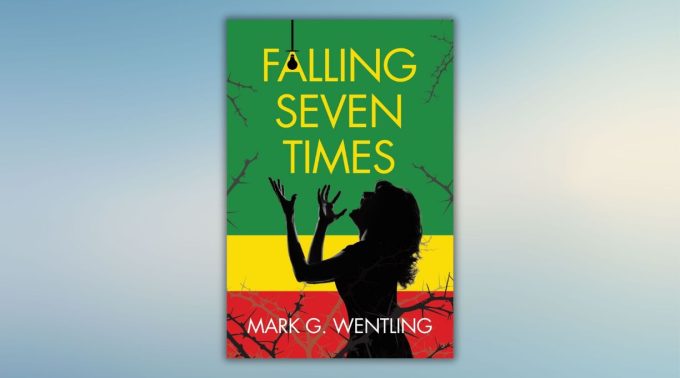





Barcelona’s Fragile Pursuit: When Injuries Threaten More Than Just a Season
A silence spreads over Camp Nou that no roar can drown out—two...
 Chris Marks2 Mins read
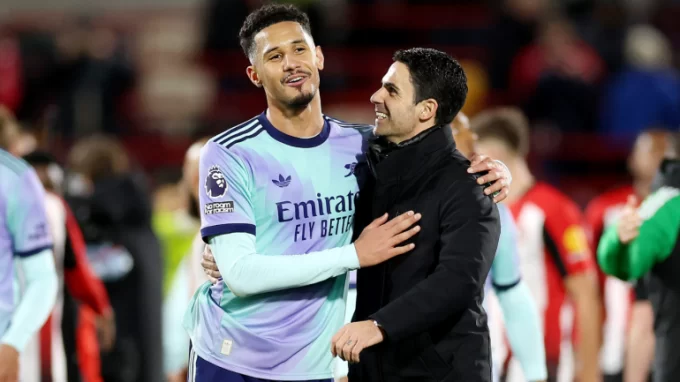
William Saliba: Arsenal’s Silent Architect or Its Greatest Gamble?
The air inside the Emirates shifts with unspoken tension—William Saliba, once a...
Joseph Bennett2 Mins read
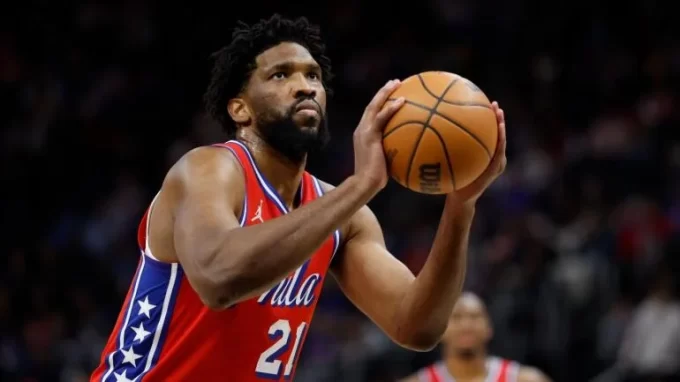
Joel Embiid’s Quiet Confidence: Is the 76ers’ Giant Ready to Rewrite His Story?
Joel Embiid is rarely one to make noise without purpose, and now,...
 Kirsten Collins1 Mins read
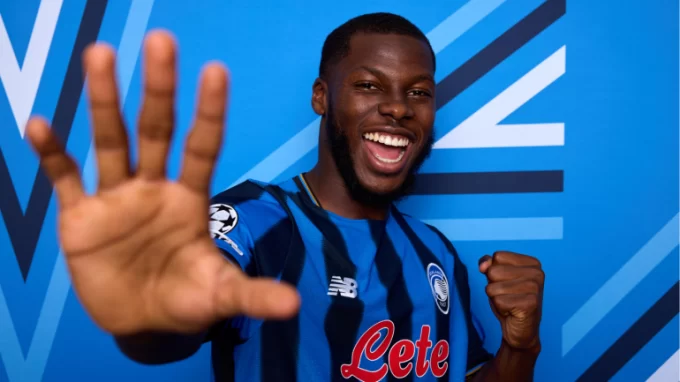
Juventus, Atalanta, and Arsenal’s Quiet Revolution: What’s Really Shaping This Week in Football?
The roar of Serie A stadiums masks a subtle shift, one that...
Kirsten Collins2 Mins read





Leave a comment