

The 45-Degree Revolution: MLB’s Bold Move to Redefine the Swing
Major League Baseball is testing a groundbreaking check-swing challenge system in the Single-A Florida State League, aiming to bring precision to one of the most contentious calls in the game.
 Joseph BennettMay 19, 20251 Mins read23

The bat hesitates mid-air, suspended between intent and restraint—a moment so fleeting it defies definition. For over a century, baseball has grappled with the enigma of the check swing: when does a half-hearted attempt become a full commitment? Umpires have judged, players have protested, and fans have debated, yet the answer remained elusive. Until now.
In a bold departure from tradition, Major League Baseball is introducing a pilot program in the Single-A Florida State League, allowing teams to challenge check-swing calls using limb-tracking technology. This move follows a successful experiment in the Arizona Fall League, where Hawk-Eye’s high-frame-rate cameras assessed whether a batter’s bat crossed a 45-degree threshold from home plate to determine a swing .
The implications are profound. No longer will a batter’s fate hinge on the subjective judgment of an umpire; instead, a digital arbiter will render the final decision. But is this the dawn of a new era in baseball, or a step too far into the realm of automation? As MLB tests this system, questions abound: Can technology truly capture the nuance of a swing? Will this challenge the human element that has defined the sport for generations?
Critics argue that the essence of baseball lies in its imperfections—the human errors, the disputed calls, the drama of uncertainty. Yet, proponents contend that this innovation could lead to fairer outcomes and a more consistent game. As the league continues to experiment, the future of the check swing hangs in the balance, awaiting a verdict from both technology and tradition.







Barcelona’s Fragile Pursuit: When Injuries Threaten More Than Just a Season
A silence spreads over Camp Nou that no roar can drown out—two...
 Chris Marks2 Mins read

William Saliba: Arsenal’s Silent Architect or Its Greatest Gamble?
The air inside the Emirates shifts with unspoken tension—William Saliba, once a...
Joseph Bennett2 Mins read

Joel Embiid’s Quiet Confidence: Is the 76ers’ Giant Ready to Rewrite His Story?
Joel Embiid is rarely one to make noise without purpose, and now,...
 Kirsten Collins1 Mins read
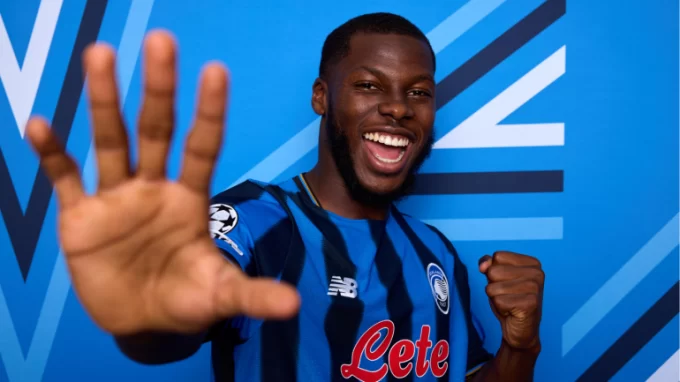
Juventus, Atalanta, and Arsenal’s Quiet Revolution: What’s Really Shaping This Week in Football?
The roar of Serie A stadiums masks a subtle shift, one that...
Kirsten Collins2 Mins read





Leave a comment