

The Windup Before the Storm: Why the Twins Might Trade a Flame-Throwing Future
Jhoan Durán throws 103 mph, and yet the Minnesota Twins may be preparing to move him. The question isn’t why—but what this trade deadline is really trading: trust, timing, or something harder to name.
 Kirsten CollinsJuly 28, 20252 Mins read21
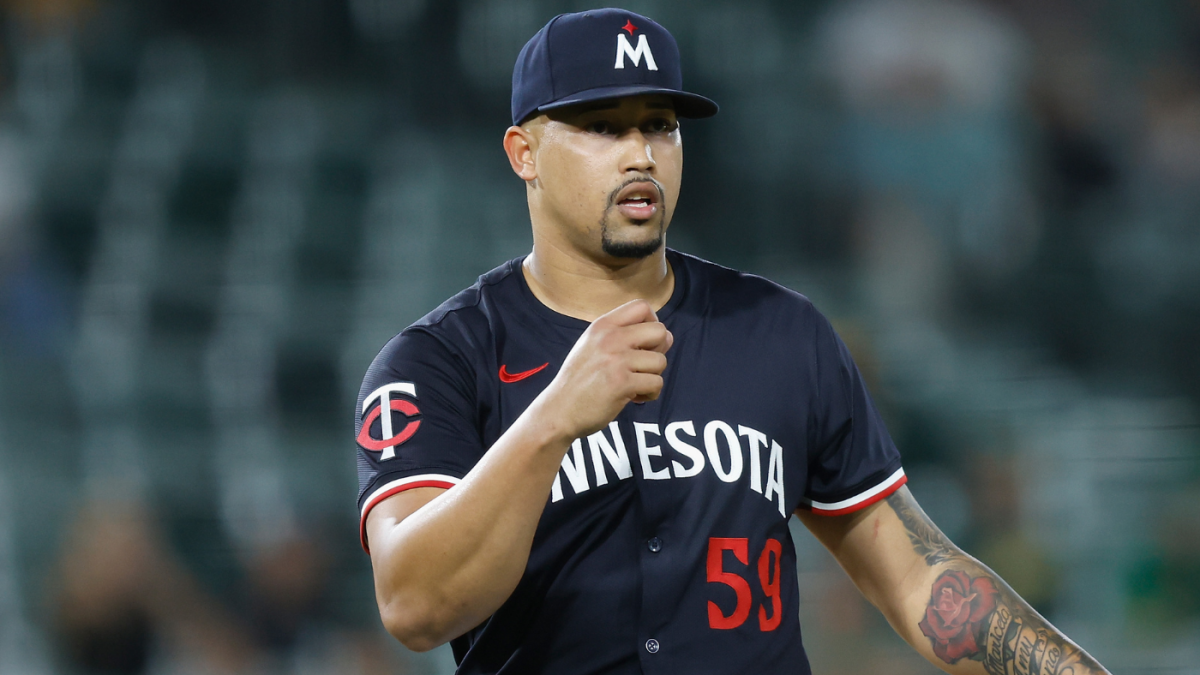
He throws like someone trying to outrun a prophecy. Every pitch Jhoan Durán delivers carries the weight of something ancient and unbreakable—a Dominican-born right arm moving faster than almost any in Major League history. 103.1 miles per hour. 104. If you’re close enough, you don’t hear it—you feel it in your ribs. So why is Minnesota, a team teetering between mediocrity and meaning, ready to part with one of the most electric arms in the sport?
No one says it directly. They never do. But somewhere behind the spreadsheets, war-room whiteboards, and back-channel calls lies a single, cynical truth: closers aren’t built to last. Not in the minds of the modern front office. They’re insurance policies, not monuments. And Durán, despite his ferocity, is still human. The Twins might just be ready to cash out before the cracks show.
The Seduction of Certainty in a League Built on Chaos
At the trade deadline, loyalty is illusion. Durán’s name now hovers like static between the Red Sox and Yankees—two historic institutions currently pretending they’re not quietly rebuilding. For them, a closer isn’t just a reliever. He’s a signal to fans, media, rivals: we still believe in now.
But Minnesota? Their belief is murkier. They don’t trade stars because they’ve failed. They trade them because they might. Because their arm might give. Because their value might peak. Because the algorithm says so.
“Nothing’s guaranteed,” one executive muttered to a reporter this week, “except what you get back.” In a league so obsessed with data, the trade deadline becomes less about belief and more about bets. Durán isn’t being punished for faltering. He’s being preemptively cleared—before the future turns sour.
When a Fastball Becomes a Business Card
The most dangerous thing about Jhoan Durán isn’t his speed—it’s how familiar it already feels. The MLB is overflowing with power arms and short-term stardom. One moment you’re closing in Minneapolis, the next you’re a line in a press release traded for three players “with upside.”
Still, something about this move feels louder than the others. The Twins aren’t rebuilding. Not publicly. They’re just… adjusting. Yet in moving Durán, they risk something subtler than a standings drop—they risk surrendering the last glimmer of unpredictability they had.
Because what if this trade isn’t about him at all? What if it’s about the game itself—what it values, what it forgets, and how it’s increasingly designed to erase anything that doesn’t scale cleanly?
Durán’s arm may be worth gold. But gold doesn’t stay molten forever. And sometimes, the thing worth holding is the one the market says to sell.




Barcelona’s Fragile Pursuit: When Injuries Threaten More Than Just a Season
A silence spreads over Camp Nou that no roar can drown out—two...
 Chris Marks2 Mins read
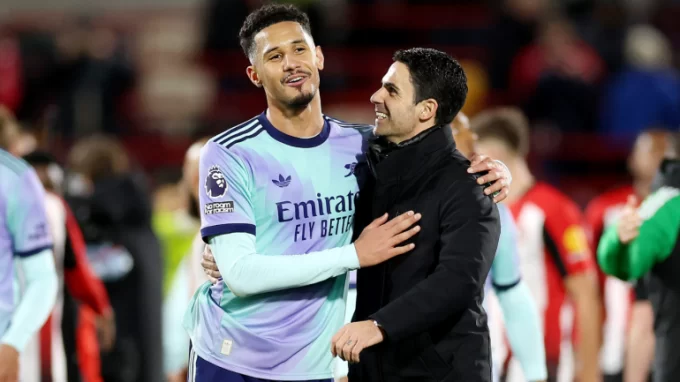
William Saliba: Arsenal’s Silent Architect or Its Greatest Gamble?
The air inside the Emirates shifts with unspoken tension—William Saliba, once a...
 Joseph Bennett2 Mins read
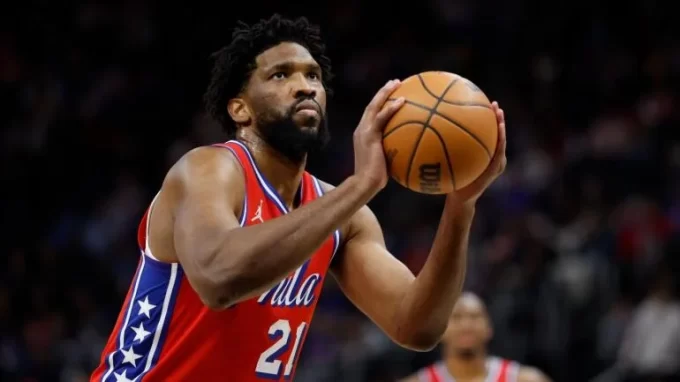
Joel Embiid’s Quiet Confidence: Is the 76ers’ Giant Ready to Rewrite His Story?
Joel Embiid is rarely one to make noise without purpose, and now,...
Kirsten Collins1 Mins read
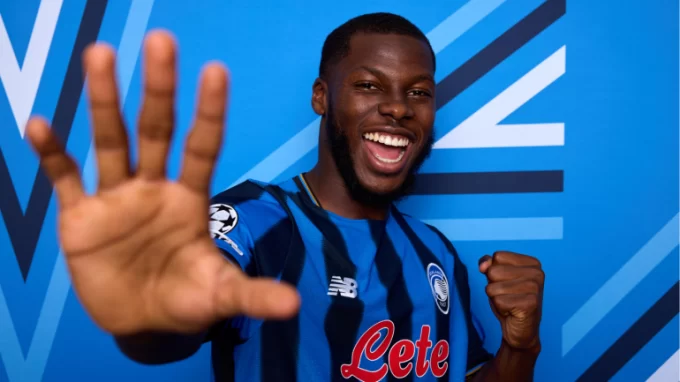
Juventus, Atalanta, and Arsenal’s Quiet Revolution: What’s Really Shaping This Week in Football?
The roar of Serie A stadiums masks a subtle shift, one that...
Kirsten Collins2 Mins read





Leave a comment