

Olympic Gold or Schedule Chaos: MLB’s Tightrope Ahead of 2028
Baseball’s return to the Olympics beckons—but MLB must juggle scheduling, insurance, TV contracts, and All-Star logistics. Will the league choose global glory or protect its 162‑game empire?
 Chris MarksJuly 15, 20251 Mins read11
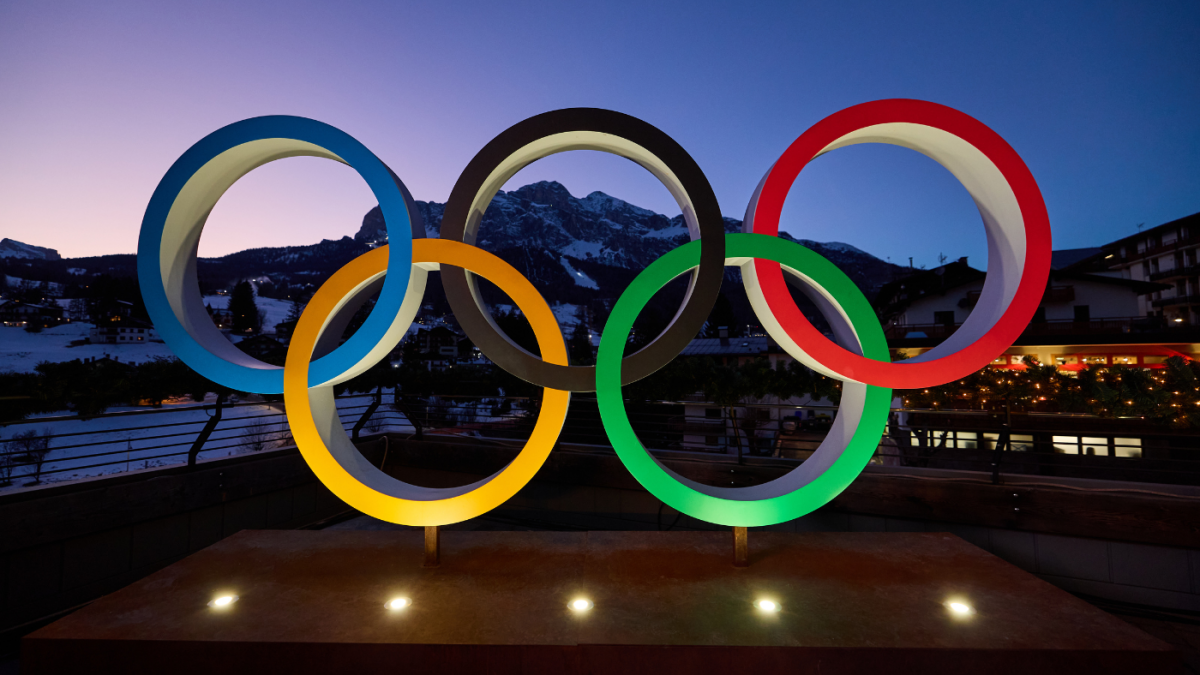
The room went still when Rob Manfred dropped the question: “What would it look like if MLB stars donned Olympic uniforms?” It was more than rhetorical—it was the spark igniting a frenzy of logistical chess involving unions, stadiums, insurance, and television money.
Can a league built on precision and gravity risk two weeks of uncertainty for the glow of Olympic gold?
The Break That Binds
MLB and the Players Association are exploring a plan: expand the All‑Star break into a two‑week pause, squeeze the Olympic baseball tournament into July 15–20 at Dodger Stadium, and still complete 162 games by shifting season dates slightly. Manfred says it’s “doable… would require significant accommodations,” and Tony Clark affirms players are “interested” — but he adds, “a lot of conversation… to see how viable this is.” The blueprint feels elegant, yet every move hides a potential backlash—who suffers in relief, and who profits?
Stakes Beyond the Diamond
San Francisco vies to host the adjusted All‑Star Game, tipping the balance toward West Coast alignment for easier Olympic travel. Meanwhile, TV deals worth hundreds of millions hinge on not losing marquee matchups. Insurance becomes a thorny question: who covers an injured star in national colors? The ripple effect runs deeper—minor‑league franchises, postseason timing, and the specter of MLB eclipsing its own traditions for fleeting global attention.
Every contender—from Aaron Judge to Shohei Ohtani—has signaled readiness. Casey Wasserman, LA28’s chair, pitched a compact, six‑day, eight‑team Olympic format. A simple idea that collides with a 180‑day season already maxed out on margin. The league could sacrifice the All‑Star nod for a chance at Olympic legacy—but at what unseen cost?
This handshake between America’s pastime and Olympic aspiration may redefine the sport’s global identity. But when the final pitch is thrown in 2028, will we celebrate cross‑continental unity or quietly mourn the integrity lost in scheduling compromises?




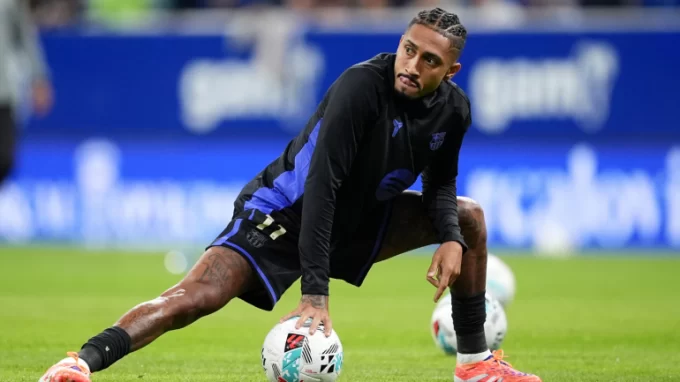
Barcelona’s Fragile Pursuit: When Injuries Threaten More Than Just a Season
A silence spreads over Camp Nou that no roar can drown out—two...
Chris Marks2 Mins read
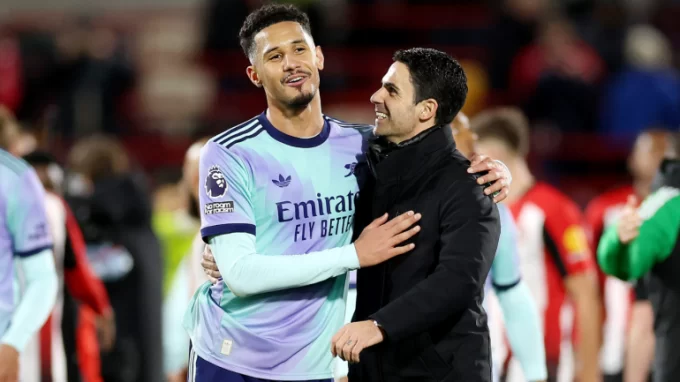
William Saliba: Arsenal’s Silent Architect or Its Greatest Gamble?
The air inside the Emirates shifts with unspoken tension—William Saliba, once a...
 Joseph Bennett2 Mins read
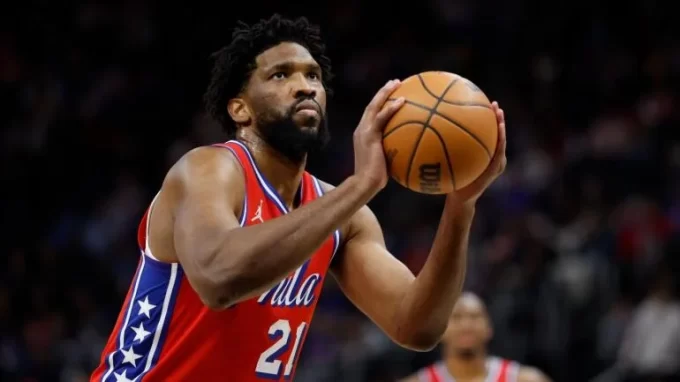
Joel Embiid’s Quiet Confidence: Is the 76ers’ Giant Ready to Rewrite His Story?
Joel Embiid is rarely one to make noise without purpose, and now,...
 Kirsten Collins1 Mins read
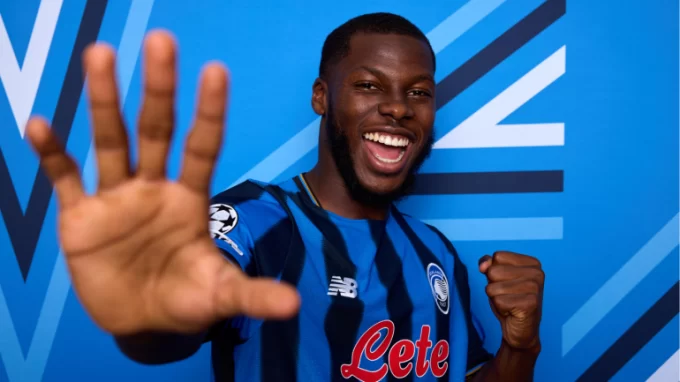
Juventus, Atalanta, and Arsenal’s Quiet Revolution: What’s Really Shaping This Week in Football?
The roar of Serie A stadiums masks a subtle shift, one that...
Kirsten Collins2 Mins read



Leave a comment