

The Manager Is Gone—But Who Was He, Really?
A shadow figure in the music industry dies at 48, and suddenly, we’re asking questions we never thought to ask. What do we really know about the men behind the fame?
 Chris MarksAugust 7, 20252 Mins read16
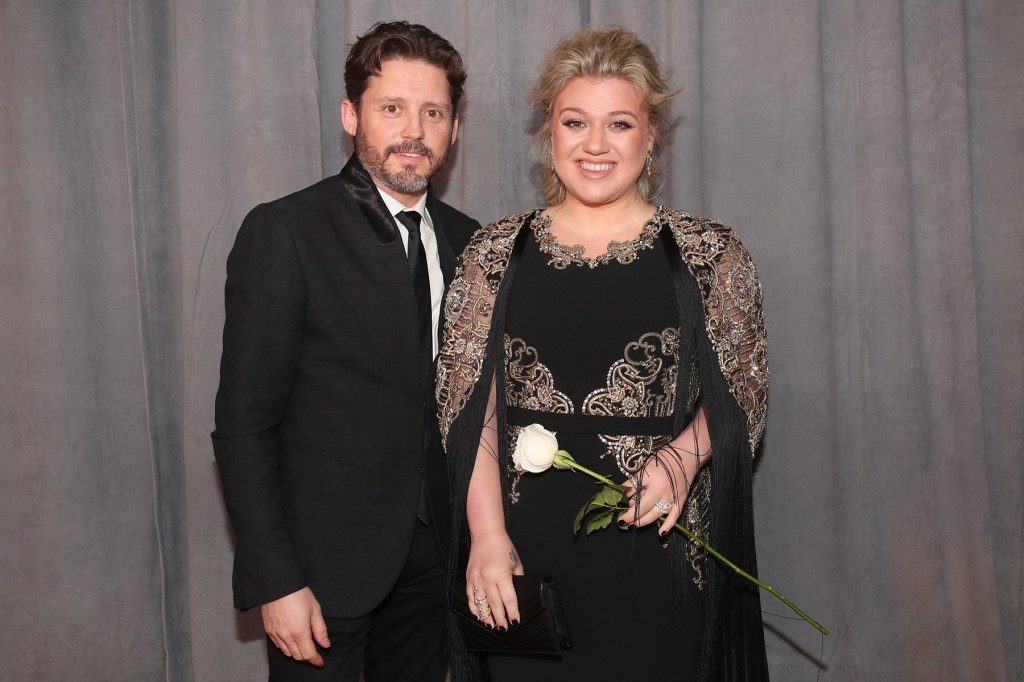
He died quietly, which is not how he lived.
Forty-eight years old. No splashy headlines. Just a brief press release posted to a media site you wouldn’t think to check unless you were looking. One of those men behind the curtain—unnamed in the songs, absent from the selfies, yet omnipresent in the storyboards of fame. Dead before 50, and still, most can’t recall his name without needing Google’s help. In an industry obsessed with legacy, what does it mean when yours evaporates before the ink dries?
Music managers aren’t supposed to be the story. They’re the backroom voices, the plane-bookers, the rehab-facilitators, the deal-closers with bloodshot eyes and Rolodexes that could bring down nations. But the death of this manager—who shaped sound, image, and often, scandal—feels less like the end of a career and more like the opening of a sealed file. One that rattles with uncomfortable truths.
Where There’s Smoke, There’s Silence
There’s something oddly clinical about how his death is being handled. No cause named. No celebrity tributes flooding feeds. Just vague murmurs: “complications,” “private battle,” “gone too soon.” In the age of overshare, why does this particular absence feel curated?
He was the architect behind three platinum-selling artists—two now in rehab, one allegedly estranged. He was known for being “intensely private,” which in industry terms often means he saw too much. His protégés soared while he stayed conveniently off-camera, building careers that looked spontaneous but were choreographed down to the beat drop.
And then, there’s the whisper network. “He played the game too well,” said one A&R executive, sipping mezcal in a booth designed for secrets. “Too clean. Like he never left fingerprints.”
The Fame Machine Eats Its Architects
Is it a coincidence that the ones who manage fame often die young, broke, or forgotten? The artist gets the glory. The manager gets the ulcer. They make calls at 3AM, clean up after overdoses, play both god and janitor. And when they die, the industry responds with cold PR language, if at all.
Maybe he knew this was coming. Maybe that’s why he avoided interviews, dodged documentaries, never wrote the tell-all book. Maybe he understood the machinery better than we did—and chose silence over spectacle. Or maybe, he was planning something louder, but ran out of time.
What’s unsettling isn’t the death. It’s the lack of fallout. No bombshells, no scandals resurfacing, no lawsuits unfurled in his absence. Just… stillness. As if the industry had already scrubbed him from the credits.
And yet, the question lingers in the rafters of studio boardrooms and backstage corridors: What happens when the person who knows everything dies with the file still locked?
He once said, over a burner phone call to a client mid-breakdown, “This business doesn’t love you. It tolerates you until it forgets you.”
Now we’re testing that theory on him.







Laufey’s Opening Night Show at LA’s Crypto.com Arena: Best Moments
Laufey opened a two-night stand at Crypto.com Arena in downtown Los Angeles...
Chris Marks6 Mins read

Julie Adam Is Billboard Canada Women in Music’s 2025 Exec of the Year
Julie Adam is having a milestone year — and it’s getting even...
Chris Marks4 Mins read
Spinal Tap Tribute Album with Foo Fighters,Tool for Teen Cancer America
Spinal Tap may be a fake band, but its music is very...
Chris Marks2 Mins read

AxMxP Is K-Pop Rookie of the Month for September: Exclusive Photos
Ha Yoo Joon Image Credit: Chin Soyeon You debuted on Sept. 10....
Chris Marks2 Mins read





Leave a comment