

Musk’s Bold Call: Should a $2.5 Billion Fed Building Expansion Face Scrutiny?
Elon Musk has raised an eyebrow-raising question about a government-backed project that’s not just about construction but about the power, influence, and accountability hidden behind the blueprint. The question lingers: What’s really at stake when the state and industry collide in such high stakes ventures?
 Kirsten CollinsMay 1, 20253 Mins read31
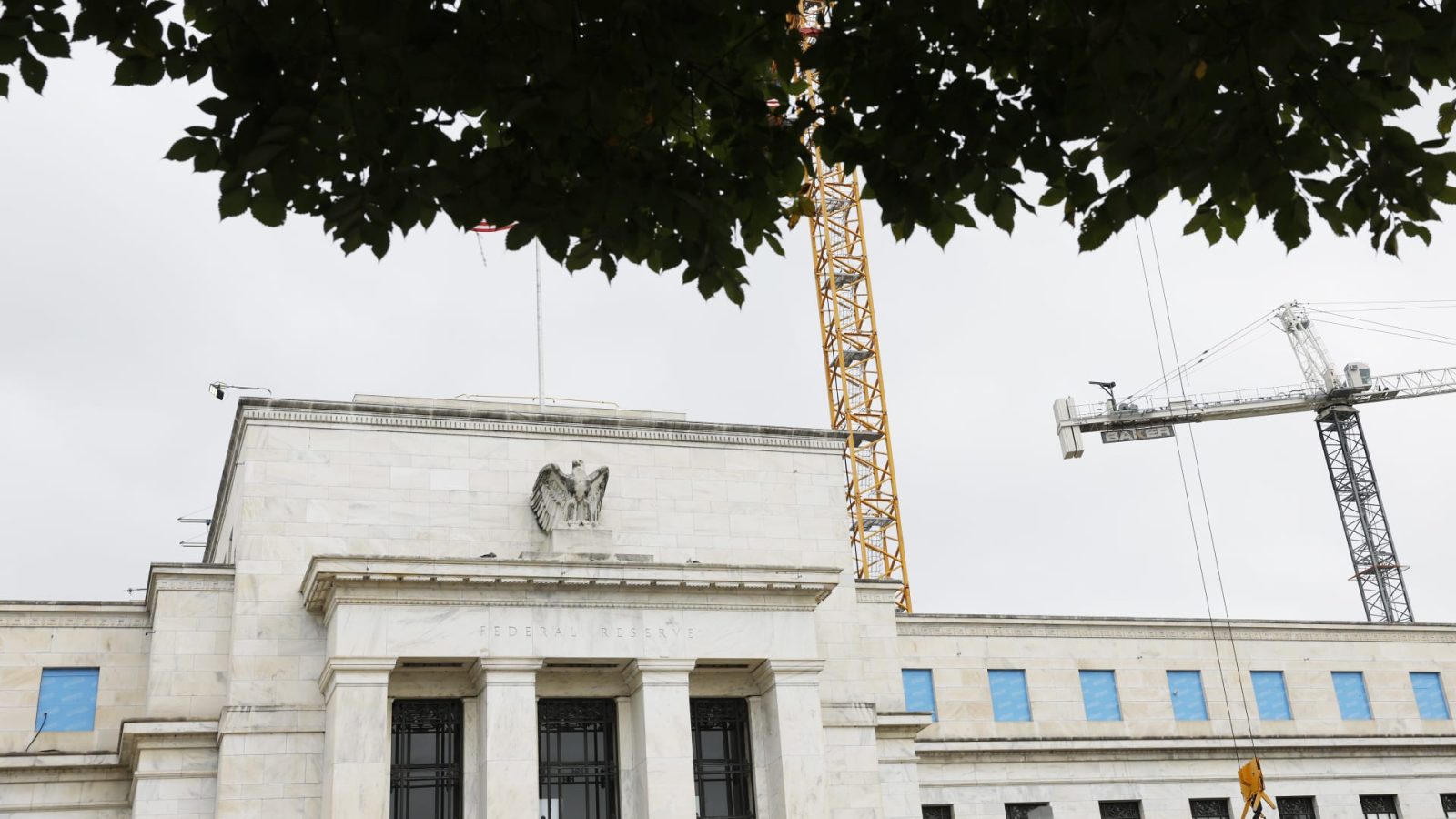
Elon Musk’s latest commentary isn’t about rockets, electric cars, or even Twitter. No, this time, the billionaire provocateur is turning his eye to something far more grounded: a $2.5 billion expansion of a federal building. Musk, known for his unfiltered opinions on just about everything, says this massive project—backed by taxpayer dollars—deserves to be scrutinized. But what’s really lurking beneath his call for oversight? Is he playing a game of political chess, or is he genuinely concerned about the intersection of government power and private industry?
The project in question—a sprawling construction for the Federal Reserve—isn’t your typical government building expansion. Musk’s comment ignites a simmering question: How do you draw the line between development and excess? After all, it’s not just a building; it’s a symbol of economic power, influence, and the very heart of national financial policy. Should such projects, involving staggering sums of money and governmental clout, be given a free pass? Or does the size of the project automatically warrant a deeper look?
The Spectacle of Oversight
Musk isn’t known for biting his tongue. He’s made headlines for challenging traditional structures in every way imaginable, from space exploration to social media. So, when he points out that a $2.5 billion project should be held to the highest standard of transparency, it’s worth listening. But the real question Musk poses isn’t about the size of the project—it’s about the quiet collusion between state power and corporate might that can often go unchecked.
It’s a timely moment for scrutiny. With government spending under the magnifying glass more than ever, Musk’s words feel like a provocation. This is more than a critique of construction costs; it’s a challenge to the very way large-scale projects are managed. A single building expansion may seem trivial against the backdrop of Musk’s larger ventures, but the ripple effects of unchecked spending and lack of accountability could extend far beyond the project’s steel beams and glass windows.
And so, the narrative thickens: how often does this happen? How many other government-backed endeavors are quietly advancing without question, operating in shadows where influence, money, and political relationships complicate the truth?
When Power Meets Property
In calling for oversight, Musk touches a nerve that goes beyond the architectural blueprint. The Federal Reserve, the very institution at the center of U.S. monetary policy, is the epitome of power cloaked in bureaucratic processes. Who decides what’s built, and why? What mechanisms exist to ensure taxpayers aren’t simply funding a glorified corporate office in a political game?
Consider Musk’s position. He’s not just a businessman; he’s a disruptor. His companies have defied industry norms, and his rhetoric often challenges the very systems he operates within. Is he truly concerned about this project, or is he using it as a lens to focus on broader systemic issues? Either way, the call for transparency strikes a chord with anyone paying attention to the intricate dance between government and industry. The deal between the two is often struck in dimly lit rooms, and Musk’s outspokenness has exposed just how little the public often knows.
For all his wealth and ambition, Musk understands one essential truth: power, when left unchecked, grows like a weed. And as the $2.5 billion project looms, the real question may not be about the building at all. It’s about what we don’t see, what we don’t question, and what we assume is being built in our name. Is that unchecked power the price of progress—or is it something more sinister, waiting to be exposed?
In the end, it might not matter whether Musk’s criticism is fueled by genuine concern or a desire for influence. What matters is that his voice amplifies a long-silenced question: Who truly holds the reins of power when taxpayer money is at stake? And how long will we remain in the dark, letting monumental projects unfold without scrutiny, without consequence?
- $2.5 billion expansion
- construction transparency
- Elon Musk
- Elon Musk politics
- federal building project
- federal bureaucracy
- federal spending oversight
- government accountability
- government projects
- Musk’s influence
- political power in infrastructure
- scrutiny of government contracts
- state and industry collaboration







How Much Will Trump’s Policies Really Cost Wall Street?
When Donald Trump first took office, his policies were sold as a...
Kirsten Collins2 Mins read

Milken 2025: The Party of the Rich, Amid a World Falling Apart
The night was electric in a way that only a private, star-studded...
 Joseph Bennett3 Mins read

Buffett, Cook, and the Quiet War for America’s Soul
There was a moment, barely a second long, when Warren Buffett’s smile...
Joseph Bennett3 Mins read

The Deception Behind the Deal: How Bait-and-Switch Pricing Is Shaping Our Desires
It’s the perfect price—a promise of a deal that seems too good...
Joseph Bennett3 Mins read




Leave a comment