

Ice Cube vs. The Algorithm: What Happens When Black Art Won’t Behave?
When Ice Cube calls out Hollywood's digital gatekeepers, it’s not just a celebrity gripe—it’s a battle cry against sanitized culture and the silent erasure of rebellion.
 Chris MarksAugust 7, 20252 Mins read23
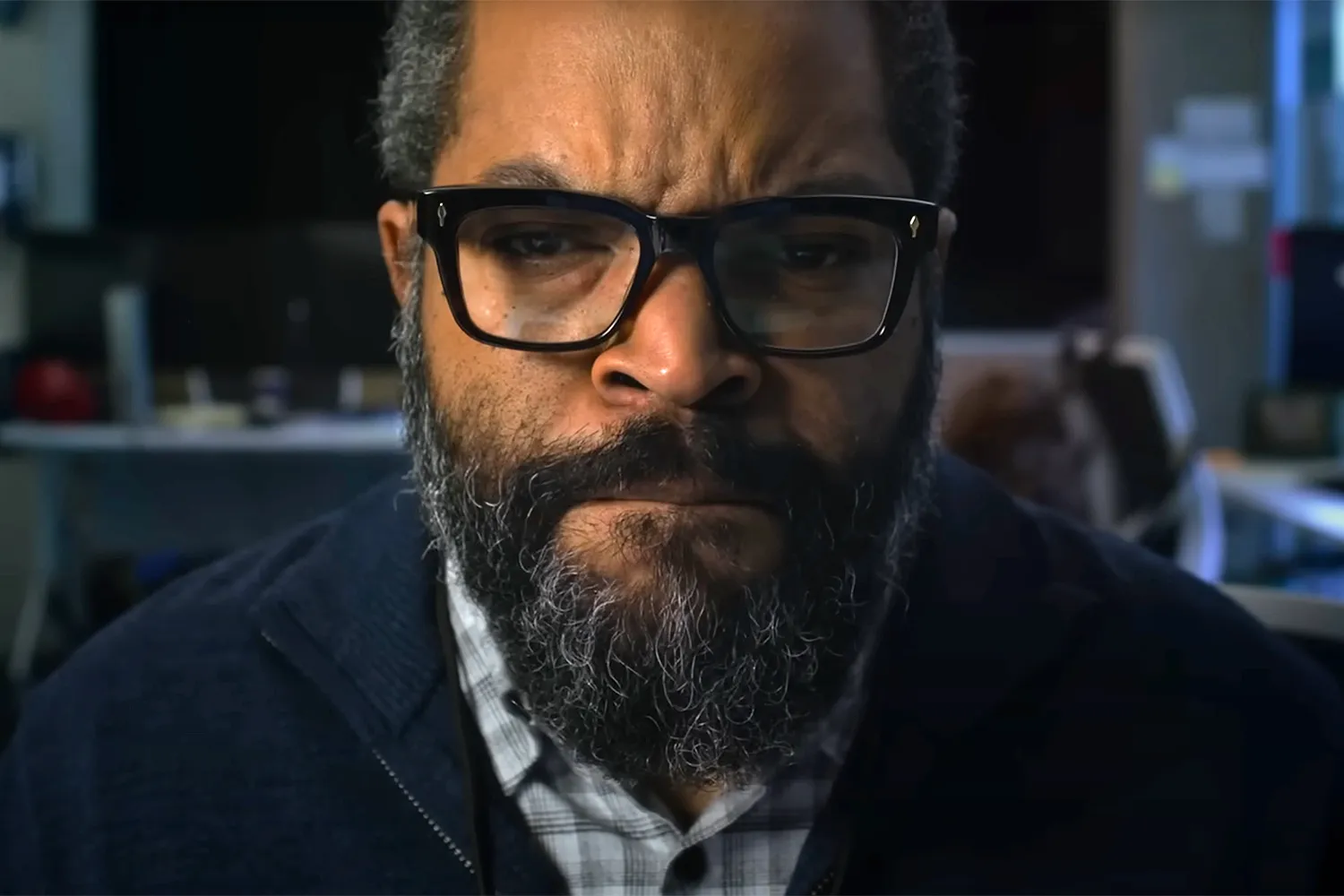
They say algorithms are neutral, but Ice Cube just called it what it is: a quiet form of censorship in designer code. Amazon shelved War of the Worlds, his radical new reimagining, and the official explanation—”bad”—feels almost quaint in its vagueness. But behind that single syllable is a labyrinth of unspoken fears: of revolutionary Black cinema, of discomfort that can’t be calibrated, of art that refuses to ask permission.
The question isn’t why Amazon said no. The question is why it was expected to say yes.
Ice Cube isn’t just a rapper-turned-actor-turned-producer anymore. He’s a living barometer of what corporate culture will or won’t tolerate from a Black man who doesn’t self-neuter. His War of the Worlds wasn’t supposed to be tidy. It was meant to bite—to echo paranoia, rage, and resistance in the age of deepfake diplomacy and media control. But apparently, in the age of AI-sanitized storytelling and shareholder-safe narratives, “bad” now means “unmanageable.”
When the Fight Isn’t Loud, It’s Digital
What does it mean when a streaming giant ghosts a project not because it lacks polish, but because it might provoke too much clarity?
Hollywood has long mastered the art of subtle silencing. Greenlight the diversity panel, cancel the diverse project. And this isn’t about War of the Worlds being “bad” in the artistic sense. It’s about it being bad for business—because real revolt doesn’t come with clean monetization metrics.
“We’ve been taught to entertain, not to educate or agitate,” Cube said, off-hand and unfiltered, in a recent interview. “But I didn’t get in this to be polite.” That’s the crux of the matter. Ice Cube doesn’t fit the new mold—the socially conscious but brand-safe creator who speaks revolution in Instagram slideshows but delivers it in Netflix-approved monologues.
Instead, his work is the cinematic equivalent of walking into a boardroom with your middle finger raised and your mother’s grief in your throat.
The Culture Wants Wild—But the Industry Wants Contained
There’s a reason the phrase “too Black, too strong” still rattles execs. What Ice Cube offers isn’t nostalgia; it’s memory with muscle. And memory makes people nervous.
The modern streaming landscape is less about storytelling than story-shaping. It’s not that War of the Worlds was rejected—it’s that it was silenced without ever being allowed to scream. And isn’t that the most dangerous form of suppression? The kind where the fight ends before the first punch lands?
What Ice Cube has stumbled into—again—is the uncomfortable truth that Black creativity is celebrated until it threatens to flip the system. Then it’s quietly filed away, labeled bad, and replaced with something more palatable. Less war. More world-building.
But let’s remember: War of the Worlds was never just H.G. Wells’ alien apocalypse. It was always about invasion, colonization, and survival. Ice Cube just turned the telescope back on Earth.
So where do we go when the gatekeepers don’t say no—they just pretend you never knocked?




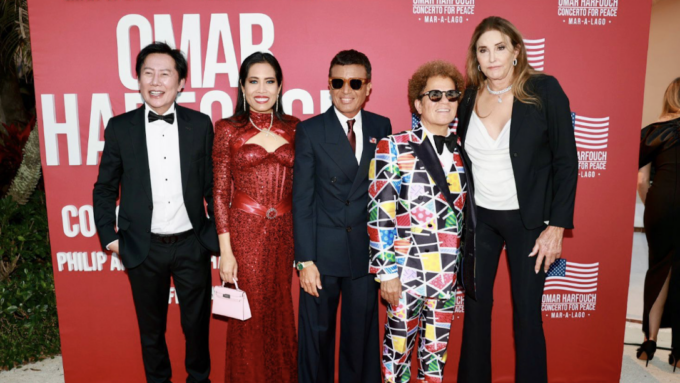
Pianist Omar Harfouch Brings Celebrated Figures Together for a Night of Cultural Exchange – Hollywood Life
Image Credit: Omar Harfouch On February 20, 2026, pianist and cultural figure...
 Kirsten Collins2 Mins read
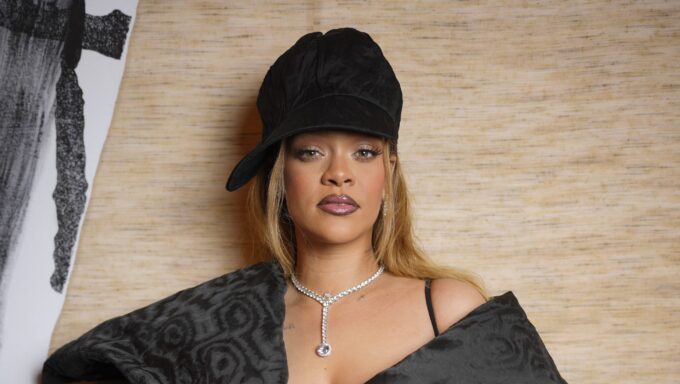
Who Is Ivana Lisette Ortiz? About the Rihanna Home Shooting Suspect – Hollywood Life
Image Credit: WWD via Getty Images The suspect in the March 8,...
Kirsten Collins1 Mins read
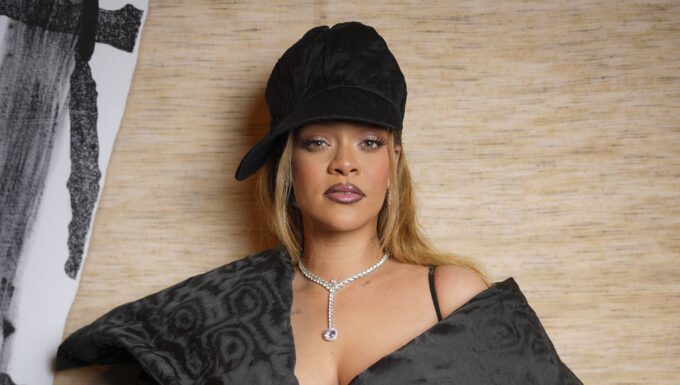
How Much Money Does She Have Now? – Hollywood Life
Image Credit: WWD via Getty Images Rihanna may be known as one...
Kirsten Collins2 Mins read
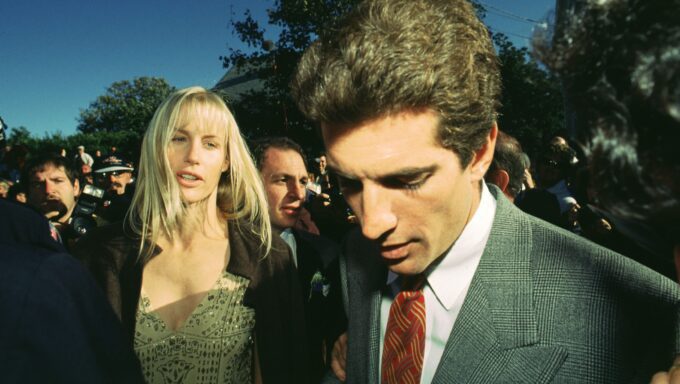
Stars Who Slammed ‘Love Story: JFK Jr. & Carolyn Bessette’: Statements – Hollywood Life
Image Credit: Getty Images FX’s Love Story: John F. Kennedy Jr. and...
Kirsten Collins2 Mins read





Leave a comment