

The Women Who Never Wanted to Be Muses—And Yet, They Were
Laurence Leamer’s Bombshells & Warhol’s Muses peels back the curtain on the women who helped define one of the most enigmatic artists of the 20th century. But are they just footnotes in Warhol’s world—or were they something far more complicated?
 Chris MarksMay 7, 20253 Mins read191
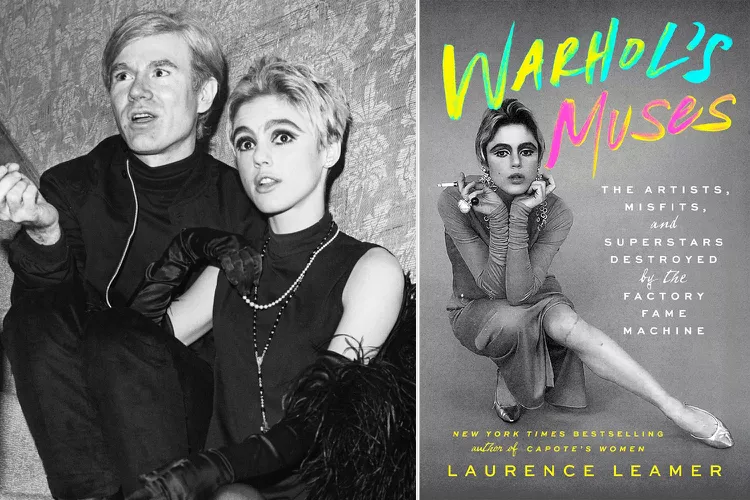
There is a secret that Warhol’s glittering parade of muses has been keeping for decades—one that doesn’t quite fit into the neat boxes of art history. Laurence Leamer’s new book, Bombshells & Warhol’s Muses, cracks open the carefully curated mythos of Andy Warhol’s women, exposing a raw truth that no one really saw coming. These women, legends in their own right, never sought to be anyone’s muse. But when the greatest artist of the 20th century calls, how do you say no?
These were not passive participants in his world of fame and glitter. They were collaborators, creators, and—perhaps most unsettling—catalysts for a certain kind of cultural revolution. The famous names we all know—Edie Sedgwick, Candy Darling, Jackie Curtis—are only the beginning. Leamer’s exploration demands we ask: Were they Warhol’s muses? Or did they redefine the term in ways we haven’t quite understood yet?
Fame or Exploitation?
The story of Warhol’s muses has long been one of fascination, but also of myth-making. In the public imagination, they are often remembered as victims of Warhol’s genius—goddesses caught in the crosshairs of a man who capitalized on their beauty and eccentricities. Leamer, however, paints a different picture, one where these women were far from mere canvases to be painted with Warhol’s touch. They were also the architects of their own legends, maneuvering within the world Warhol created, but also manipulating it back.
As Leamer writes, “They were Warhol’s reflection in a mirror, but what if they were also holding the mirror?” There’s a quiet power in that observation—a power that has been obscured by history’s obsession with Warhol himself. These women were not just his muses; they were his collaborators, each with her own complex narrative and her own unspoken artistry.
The Fragile Nature of Fame
In a time where social media has made fleeting moments of fame a common currency, it’s easy to forget how rare and dangerous celebrity could be in Warhol’s world. These women, living in the kaleidoscope of his Factory, lived not just in the glare of Warhol’s strobe lights but under a ruthless, unforgiving gaze. And yet, how much of their own agency did they hold in a world where image, not substance, seemed to matter most?
Take Edie Sedgwick, perhaps Warhol’s most iconic muse. She remains an enigma—a woman who both courted and despised her own image. Warhol saw her as a blank canvas, but was she simply playing the part that he and the world wanted her to play? Was the fame she achieved through him something she truly wanted—or a byproduct of his cold, clinical manipulation of culture? Sedgwick’s tragic arc is well-known, but Leamer’s research invites us to question whether this was an inevitable fall—or the tragic result of a system built to exploit beauty and excess.
A New Lens on Warhol’s Legacy
Leamer’s investigation complicates the prevailing narrative that Warhol created, and controlled, his muses. What emerges is a portrait not of one man’s genius but of a collective energy, a fluid ecosystem of artistry, tragedy, and ambition. Warhol’s women weren’t just reflections of his vision—they were women creating their own art, in the shadows and in plain sight.
By resurrecting these figures from their pigeonholed roles, Bombshells & Warhol’s Muses demands we reconsider the nature of influence and exploitation in art. These muses were not mere objects of desire but active participants in shaping the culture around them. They were not just Warhol’s creations—they were the architects of their own narrative.
The question now isn’t whether Warhol’s muses were just instruments in his masterwork. It’s whether they were, in fact, the ones holding the brush. What if the true genius of Warhol lay not in his control over his women, but in his ability to make them realize that they, too, were capable of painting their own legacies?







When “107 Days” Meets Outcry: Harris’s Book Tour Interrupted
The microphone crackled to life, and before Harris could finish her opening...
Chris Marks1 Mins read
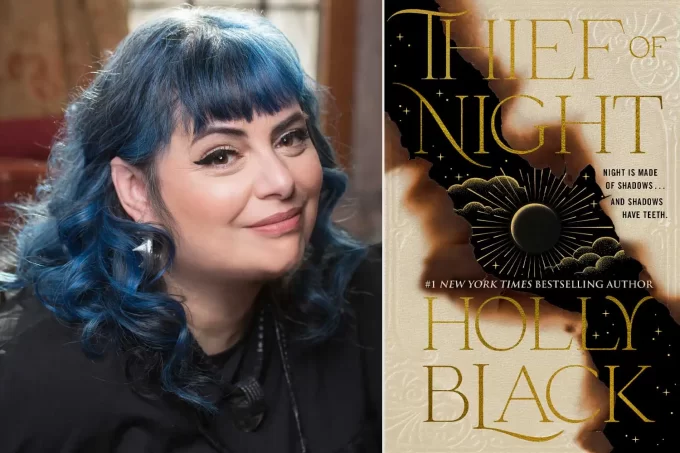
Whispers in the Shadows: Why Holly Black’s Sequel Is a Dark Invitation We Can’t Ignore
The night isn’t just dark—it’s ravenous, greedy, and it’s coming for you....
Chris Marks2 Mins read
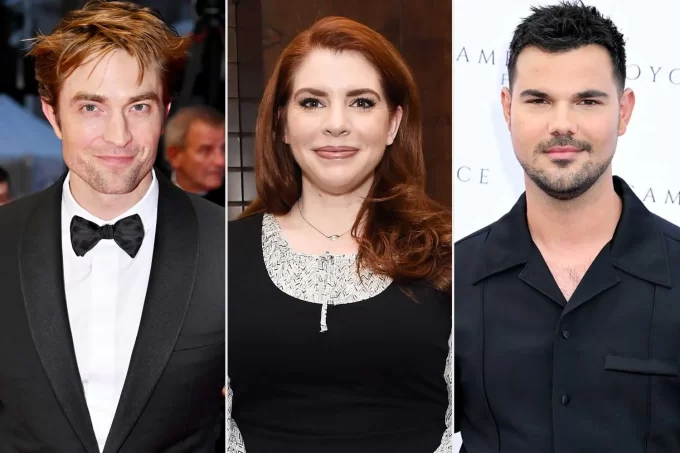
Why Stephenie Meyer’s Regret About Edward Changes Everything You Thought You Knew
The moment Stephenie Meyer admitted she wouldn’t pick Edward Cullen today, a...
Chris Marks2 Mins read
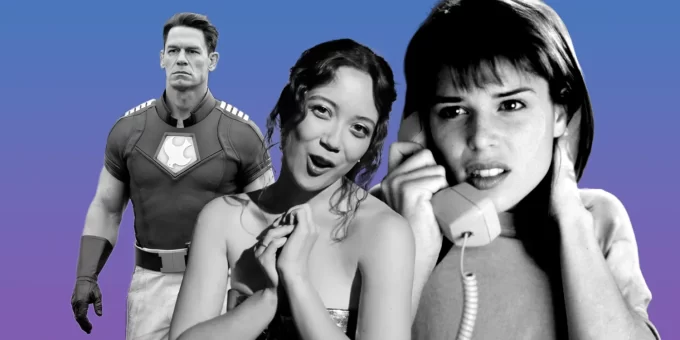
When Fear, Fury & Feathers Collide: Cinema, Superheroes, and a Confessional Album
Open with tension—the kind that threads through a scream, a reveal, and...
Chris Marks2 Mins read





Leave a comment