

Cooper Flagg’s Lottery Dream: Who Will Dare to Bet Their Future on Him?
The 2025 NBA Draft Lottery promises to be a game-changer, with one name standing out: Cooper Flagg. But which teams are bold enough to risk their future on the player who could redefine a franchise? The stakes have never been higher, and the path forward is shrouded in intrigue.
 Chris MarksMay 8, 20253 Mins read188
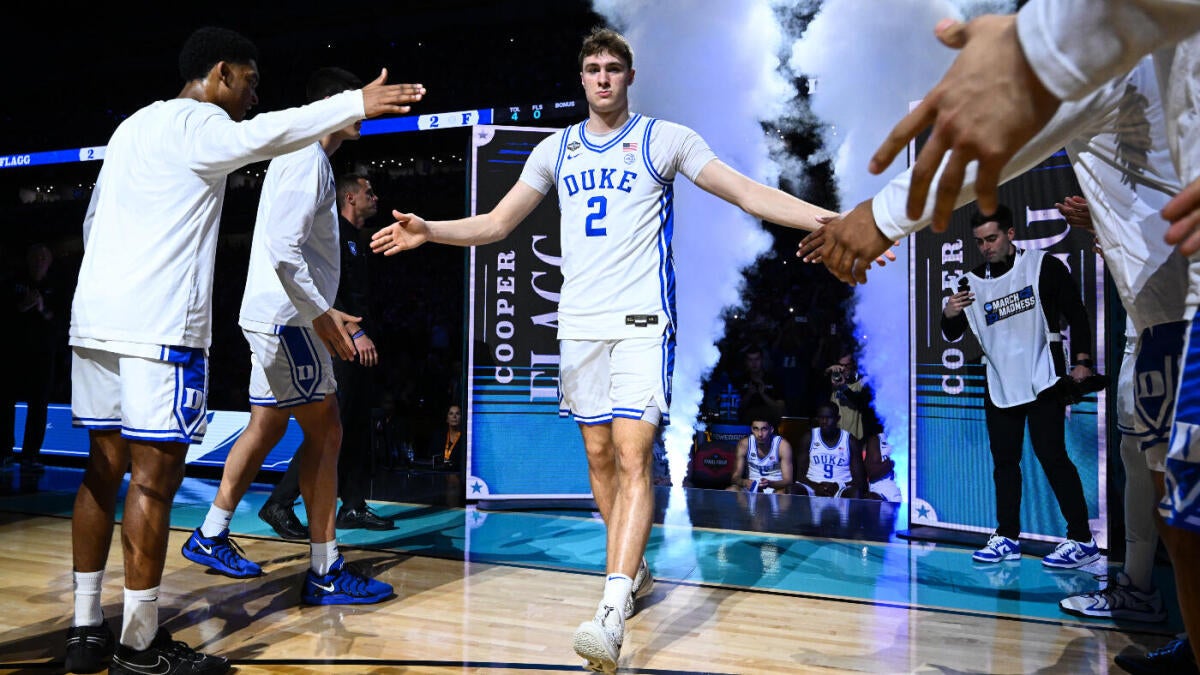
Cooper Flagg. A name that feels like it’s already etched into NBA history. But why is it that this 17-year-old phenom—barely out of high school—has captured the collective imagination of an entire league, its fans, and even the executives who whisper behind closed doors? Flagg’s talent is undeniable, yes, but the bigger question is: Who among the lottery-bound teams will take the plunge and pin their hopes on a player whose potential could either rewrite the future or bring it crashing down?
Here’s the thing. Everyone knows the big names in the draft—those generational talents who carry the weight of expectation on their shoulders like invisible armor. But Flagg? Flagg isn’t just a talent; he’s a phenomenon. The kind of player whose arrival doesn’t just shift the balance of a team, but potentially the direction of the entire NBA landscape. So why, then, does the idea of him going No. 1 feel like such a gamble?
The Weight of Expectations
The NBA Draft isn’t just about talent; it’s about timing. For teams mired in mediocrity, the No. 1 pick offers the hope of salvation. Flagg’s game is electric, combining a rare blend of size, skill, and court vision. But what’s more intoxicating is the perception that Flagg could be the kind of player who transcends normal development arcs—a once-in-a-generation type, an athlete who demands attention not just for his on-court abilities but for the gravity he pulls around him.
But here’s the catch: the pressure of becoming “the one” can distort even the brightest futures. As one NBA insider put it, “Flagg is the kind of player who makes you believe the future is bright, until you realize you’ve staked everything on him.” If the No. 1 pick is more than just talent—a symbol of hope and, for some, desperation—how will Flagg deal with that kind of weight?
Teams that win the lottery often feel the burden immediately. The bright lights can become blinding, the scrutiny suffocating. For every transcendent player who exceeds expectations (think LeBron James, Luka Doncic), there are others who crack under the enormity of the NBA stage. Flagg may be a once-in-a-lifetime prospect, but he’s still human. The question isn’t whether he’s good enough—it’s whether a team is ready to build a franchise around the risk of his greatness.
The Forgotten Art of Patience
In a world where instant gratification rules the NBA landscape, there’s something beautifully reckless about teams that are willing to look beyond the “right-now” and take a long, strategic view. For some, Flagg might seem like the perfect solution: a player who can immediately elevate a franchise. But will the lure of immediate success cloud the reality that building around a player like Flagg could take years?
Let’s face it—No. 1 picks come with lofty expectations, and as the pressure mounts, the art of patience becomes even more elusive. While some teams will be desperate to fast-track their rebuilds, others may look at Flagg as a player who could elevate them—but over time, not in a single season. This isn’t just about taking the best player available; it’s about asking the right question: Which franchise can afford the long game?
In that sense, it’s the teams with a deeper infrastructure, a robust development program, and a patience for gradual growth that could benefit most from Flagg’s addition. Think of the teams that already have foundational pieces in place, teams that can absorb the early growing pains of a player like Flagg. Teams like the Portland Trail Blazers, with their dual-core of Damian Lillard and Scoot Henderson, or the Orlando Magic, with a young, emerging roster of versatile talent. These teams are built for the long haul, and Flagg’s development could represent the final piece of the puzzle.
The Danger of “The Next Big Thing”
The most dangerous narrative surrounding Flagg’s rise is the idea that he’s “the next big thing”—the type of player who will change everything overnight. The NBA thrives on this myth of the instant superstar, but the truth is more complicated. The pressure to be great right away can often lead to unrealistic expectations, which in turn can derail an otherwise promising career.
It’s a narrative we’ve seen before. Anthony Bennett, touted as a future superstar, was selected first overall, only to see his career unravel. Markelle Fultz, once considered a lock for greatness, became another cautionary tale. The NBA’s history is filled with players who never lived up to the outsized hype of being drafted first, even though their talent was undeniable. Flagg may not fall into that category, but the weight of that narrative will follow him wherever he goes.
Flagg’s potential is real, but so is the danger that comes with the No. 1 pick: the pressure, the expectations, the gamble. So, who will be brave enough to take the plunge?
Will it be the teams desperate for a quick fix? Or will it be the ones willing to weather the storm, betting that, in the end, patience will reward them with the kind of greatness that lingers long after the spotlight fades?





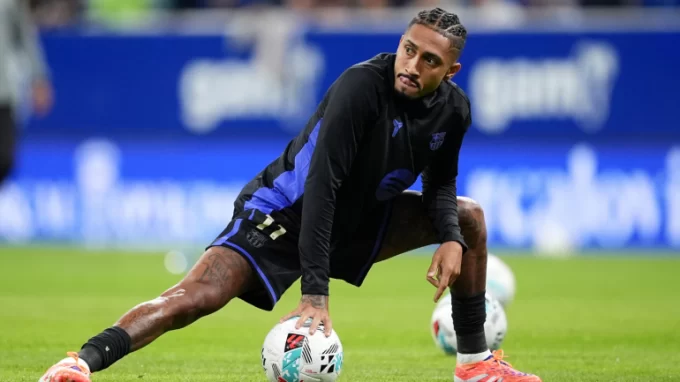
Barcelona’s Fragile Pursuit: When Injuries Threaten More Than Just a Season
A silence spreads over Camp Nou that no roar can drown out—two...
Chris Marks2 Mins read
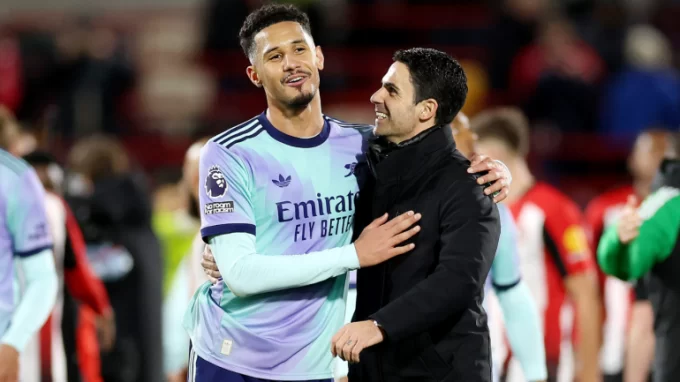
William Saliba: Arsenal’s Silent Architect or Its Greatest Gamble?
The air inside the Emirates shifts with unspoken tension—William Saliba, once a...
 Joseph Bennett2 Mins read
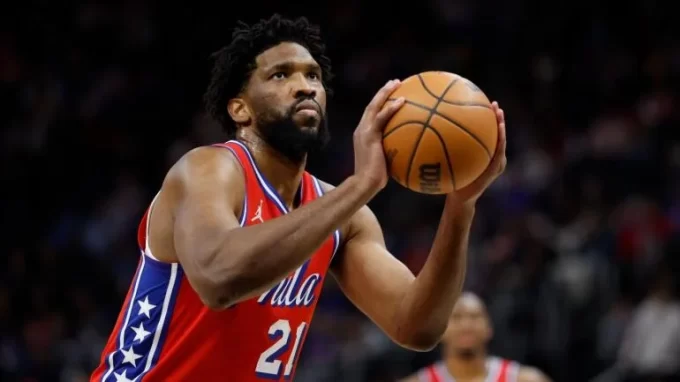
Joel Embiid’s Quiet Confidence: Is the 76ers’ Giant Ready to Rewrite His Story?
Joel Embiid is rarely one to make noise without purpose, and now,...
 Kirsten Collins1 Mins read
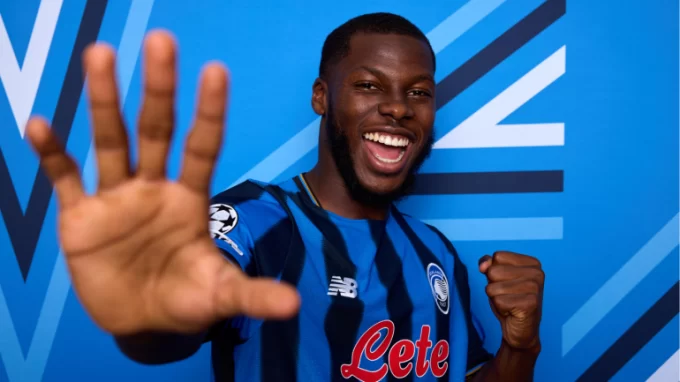
Juventus, Atalanta, and Arsenal’s Quiet Revolution: What’s Really Shaping This Week in Football?
The roar of Serie A stadiums masks a subtle shift, one that...
Kirsten Collins2 Mins read




Leave a comment