

Why Oklahoma City Tops the NBA Front Office—and Who’s Struggling to Keep Up
A recent ranking of NBA front offices reveals startling power shifts—Oklahoma City reigns supreme while iconic franchises like the Lakers and Mavericks stumble, and a surprising newcomer trails the Chicago Bulls. What does this mean for the league’s future?
 Kirsten CollinsJuly 21, 20252 Mins read18

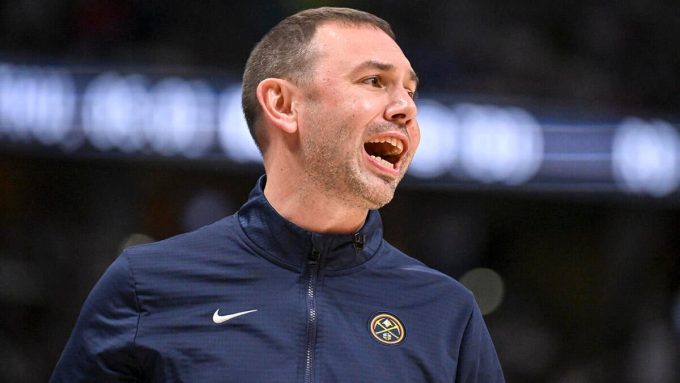
Power rarely announces itself with fanfare. It hides in whispers, in quiet boardrooms, and in decisions that ripple far beyond a single season. Oklahoma City’s front office, crowned the league’s best, is exactly that kind of power—calm, methodical, and quietly reshaping the NBA landscape. Meanwhile, heavyweights like the Lakers and Mavericks stumble in rankings, raising uncomfortable questions about legacy versus innovation.
What does it say about the NBA when the old guard falters and new players in the league’s management arena struggle to catch up?
The Quiet Architects of Dominance
The Thunder’s front office isn’t flashy; it doesn’t chase headlines. Instead, it builds patiently, crafting a long-term vision that turns potential into performance. As one insider put it, “They aren’t just playing the game—they’re rewriting the rules on how a franchise should be run.” This approach has vaulted OKC above teams with far larger budgets and star power, a reminder that in the NBA, savvy strategy still trumps celebrity.
Contrast this with the Lakers and Mavericks, whose front offices find themselves scrambling amid heightened expectations and external pressures. The Lakers, once a beacon of basketball royalty, now confront the heavy cost of missteps and shifting priorities. Meanwhile, the Mavericks’ low ranking signals a team at a crossroads, wrestling with the tension between past glory and an uncertain future.
When New Blood Fades Behind the Bulls
Perhaps most intriguing is the newcomer team’s unexpected slide behind the Chicago Bulls, a franchise still recovering its identity. The new team, born of ambition and fresh energy, faces the brutal reality of establishing not just a roster but a culture—and the stakes couldn’t be higher. Their rank at 30th is less a condemnation and more a signal: transformation is messy, and leadership excellence isn’t inherited—it’s earned.
This unfolding drama forces us to ask: in a league defined by relentless change, what truly distinguishes a great front office? Is it vision, adaptability, or something more elusive—perhaps an almost invisible alchemy of trust and timing?
The NBA’s front office rankings are more than a leaderboard—they are a mirror reflecting the evolving ethos of a league in flux. As Oklahoma City sits atop this shifting terrain, the question lingers: will the established giants reclaim their thrones, or has the balance irrevocably changed?
And as the league watches, the quiet power brokers continue their work, leaving us to wonder—who will emerge as the next true architects of basketball’s future?





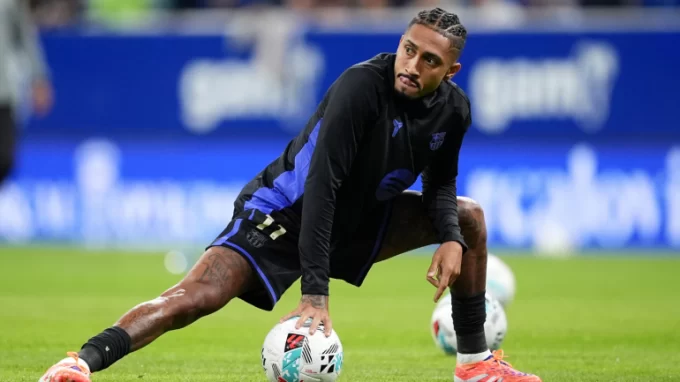
Barcelona’s Fragile Pursuit: When Injuries Threaten More Than Just a Season
A silence spreads over Camp Nou that no roar can drown out—two...
 Chris Marks2 Mins read
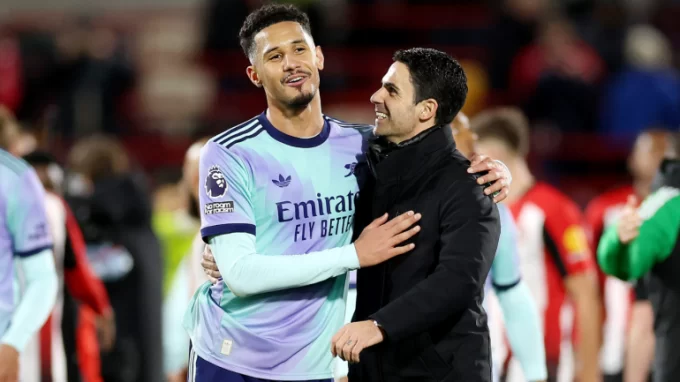
William Saliba: Arsenal’s Silent Architect or Its Greatest Gamble?
The air inside the Emirates shifts with unspoken tension—William Saliba, once a...
 Joseph Bennett2 Mins read
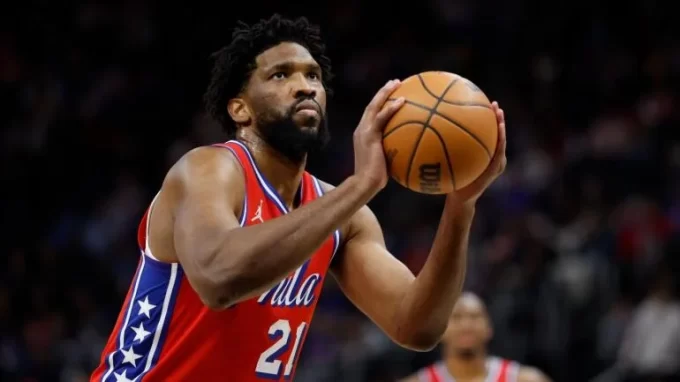
Joel Embiid’s Quiet Confidence: Is the 76ers’ Giant Ready to Rewrite His Story?
Joel Embiid is rarely one to make noise without purpose, and now,...
Kirsten Collins1 Mins read
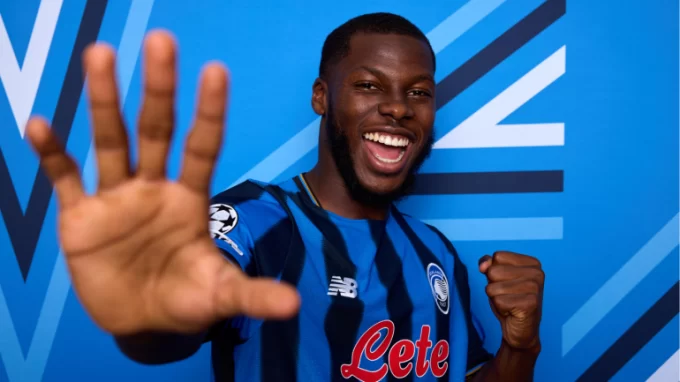
Juventus, Atalanta, and Arsenal’s Quiet Revolution: What’s Really Shaping This Week in Football?
The roar of Serie A stadiums masks a subtle shift, one that...
Kirsten Collins2 Mins read





Leave a comment