

The Rise and Fall of Chiefsaholic: How a Superfan’s Obsession Turned Into a 32-Year Sentence
Xaviar Babudar, known as "Chiefsaholic," went from being the Kansas City Chiefs' most beloved superfan to a convicted bank robber sentenced to 32 years in prison. How did a passion for football spiral into a criminal story that shocks and haunts?
 Kirsten CollinsMay 12, 20252 Mins read25
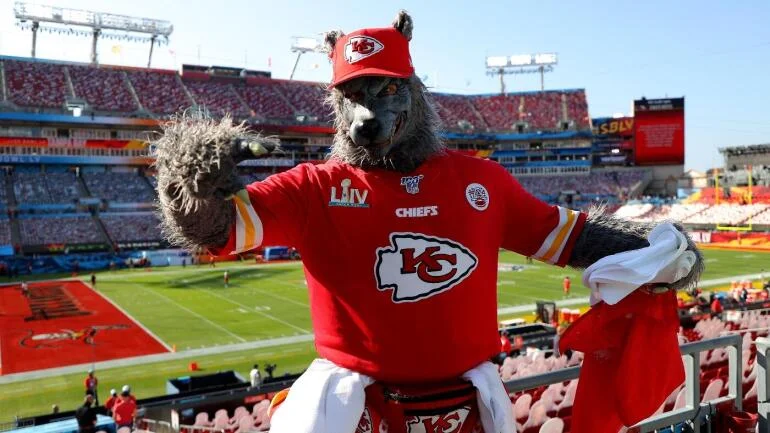
The neon glow of the Kansas City Chiefs’ games was supposed to be his life’s brightest moment. Xaviar Babudar—known to millions as “Chiefsaholic”—was the superfan everyone talked about. With his wolf mask and relentless energy, he stood as a symbol of devotion to the Chiefs, the heartbeat of Missouri’s sports culture. But what happens when that obsession turns into something much darker, and the line between fandom and felony blurs?
Babudar’s rise to fame wasn’t built on mere tailgates or jersey-wearing—it was the spectacle of his every appearance, an embodiment of passion, a living mascot who transcended the crowd. Chiefsaholic became more than a fan; he was an identity, a symbol of loyalty in the world of professional sports. He made waves not just at games, but through social media—his persona was so powerful, it threatened to eclipse even the players themselves. It seemed like his devotion to the game and team could never be questioned. But then came the twist. A sudden, shocking revelation: the man behind the mask was not just cheering in the stands—he was robbing banks in Oklahoma.
A Game of Masks and Money
In the ultimate contradiction, Xaviar Babudar’s carefully curated public image—one of unshakable loyalty—was built on the foundations of lies, and ultimately, crime. His thefts weren’t petty; they were calculated and intentional, carefully planned under the cover of his fanatical devotion to the Chiefs.
Babudar’s sentence to 32 years in prison is more than just a punishment—it’s the unraveling of a carefully constructed persona. What did we, as fans and spectators, fail to see in this man who claimed to be one of us? How did a simple passion for football morph into an obsession so consuming that it would drive him to commit crimes? The allure of fame, the desire to be seen, to be recognized as a symbol of something larger than life—it’s a powerful drug. Perhaps it was this intoxicating force that led Babudar down a path no one could have predicted.
“He wasn’t just robbing banks,” one former friend of Babudar remarked. “He was trying to rob the game, trying to steal something from the very fabric of what it means to be a superfan.”
In this light, the story of Chiefsaholic becomes something of a cautionary tale—one about the extremes of fandom and the obsessive need for recognition. What happens when the line between fandom and identity becomes so blurred that the quest for status overtakes the very values that initially defined that fandom?
A Legacy Shattered in Silence
The courtroom was a far cry from the roar of the Arrowhead Stadium crowd, and yet, Babudar’s conviction—his 32-year sentence—feels eerily similar to the heartbreak of a defeated fanbase watching their team crumble. In the end, Babudar was just another tragic figure in the NFL narrative, his fall from grace mirroring a shattered dream. Yet the most unsettling question lingers: How many more Chiefsaholics exist in the shadows of sports fandom, driven by a twisted need to belong, to be part of something larger, even at the cost of personal integrity?
It’s easy to demonize Babudar. The cold truth of his crimes should not be overlooked. But as we think about his story—how a superfan, a public face of enthusiasm and loyalty, could go from the ultimate team supporter to a convict in the blink of an eye—one must wonder: How fragile is the connection between fandom and reality? In a world where we build legends out of living, breathing people, how far will they go to live up to that myth?
In the echo of the final gavel, there’s a haunting silence: Is the true tragedy that Babudar lost himself in the game, or that perhaps, in the world of extreme fandom, he never had a chance to find himself at all?





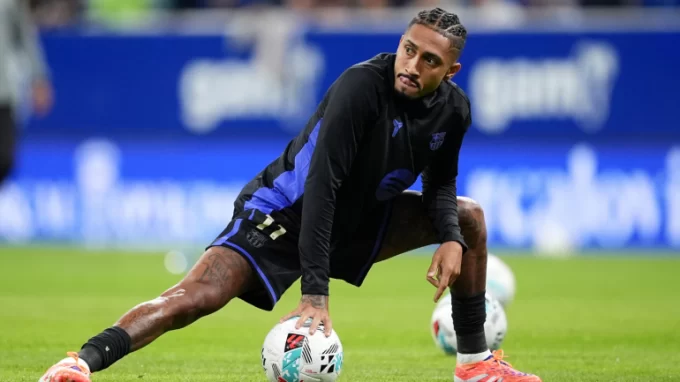
Barcelona’s Fragile Pursuit: When Injuries Threaten More Than Just a Season
A silence spreads over Camp Nou that no roar can drown out—two...
 Chris Marks2 Mins read
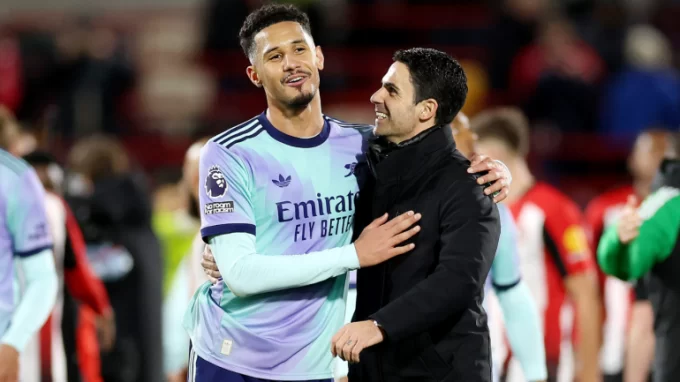
William Saliba: Arsenal’s Silent Architect or Its Greatest Gamble?
The air inside the Emirates shifts with unspoken tension—William Saliba, once a...
 Joseph Bennett2 Mins read
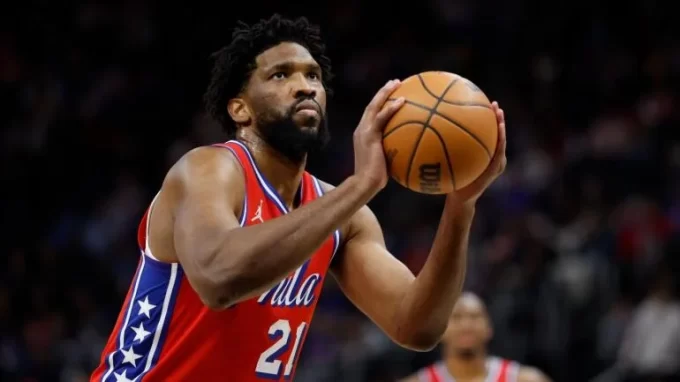
Joel Embiid’s Quiet Confidence: Is the 76ers’ Giant Ready to Rewrite His Story?
Joel Embiid is rarely one to make noise without purpose, and now,...
Kirsten Collins1 Mins read
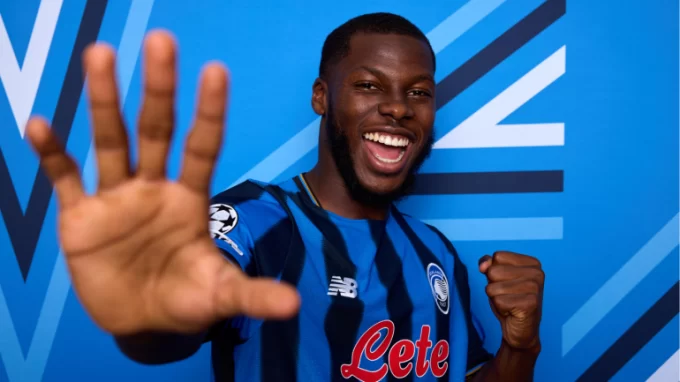
Juventus, Atalanta, and Arsenal’s Quiet Revolution: What’s Really Shaping This Week in Football?
The roar of Serie A stadiums masks a subtle shift, one that...
Kirsten Collins2 Mins read





Leave a comment