

Toronto & Winnipeg’s Deepest Moves: Tavares’ Loyalty, Toews’ Homecoming—and the Questions They Leave
John Tavares accepts a hometown pay cut to stay with the Maple Leafs, echoing devotion over dollars, while Jonathan Toews suddenly resurfaces in Winnipeg on a modest, incentive-rich deal—each decision revealing deeper narratives of legacy, risk, and unfinished ambitions.
 Kirsten CollinsJune 27, 20252 Mins read26

A contract isn’t just paper—it’s a confession. John Tavares, at 34, turns down more money to reaffirm his roots in Toronto, sealing a new four-year deal worth $4.38 million per season. On the other side, Jonathan Toews—the now 37-year-old former Blackhawks icon—returns to Winnipeg on a modest $2 million base with bonuses—his NHL story far from over, but written in softer ink.
These moves aren’t just roster decisions; they offer a portal into how loyalty, legacy, and risk shape both player identities and franchise futures.
When Heartbeat Trumps Salary Cap
Tavares’s extension lands as a rare emotional landmine in salary-driven NHL strategy. Analysts applauded Toronto’s move: Mark Lazerus of The Athletic called it “an absolute steal”—retaining a 74-point performer at nearly half market rate. But the real cost? Cap flexibility, younger emergence, the question of how far sentiment can carry a Cup chase. Tavares admits he “left money out there,” yet none of this feels sentimental—he calls Toronto “home” and doubles down on a fractured Stanley Cup quest. Is belief alone enough to outweigh payroll math?
Conversely, Toews’s return—a one-year, incentive-laden pact—peels back layers of cautious optimism and skilled pragmatism. Diagnosed with long COVID and out since 2023, this is less about headline men than veteran value. His deal rewards health and performance, minimizing risk for Winnipeg while banking on Toews’s leadership and faceoff acumen. In a city desperate for playoff edge, is nostalgia the fuel, or will it simply light a match that sputters too soon?
Narratives in Tandem
Both players choose place over potential in very distinct arcs: Tavares seeks unfinished playoff business in Toronto, while Toews opts for storytelling closure—playing at home, perhaps one final season. Yet each decision invites doubt. Can Tavares’s loyalty dilute depth behind him? Will Toews, after two years off, find his game or merely grace?
These aren’t just signings—they are silent reckonings, signaling that legacy may no longer guarantee glory. The real intrigue lies in what comes next: Buffalo-hating Leafs fans will watch Tavares’s back, hoping heart outpaces aging; Jets supporters stand to gain a legend’s mentorship, but risk betting on a faded echo.
In hockey’s cold calculus, these contracts are anything but routine—they are declarations. Tavares refuses to unpack ambition for money; Toews trades marquee allure for meaningful return to his roots. Both send a message: in a world of frozen ice, human stories still melt the hardest narratives.
But at the end of the ice, the real question disappears in the final buzzer: will loyalty and return efforts hold up under pressure—and if they don’t, whose fault will it truly be?







Barcelona’s Fragile Pursuit: When Injuries Threaten More Than Just a Season
A silence spreads over Camp Nou that no roar can drown out—two...
 Chris Marks2 Mins read
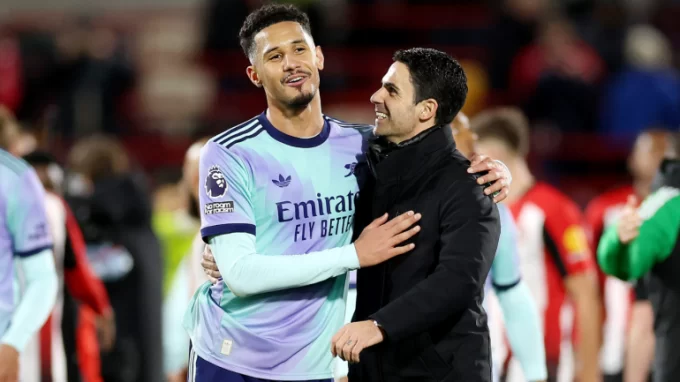
William Saliba: Arsenal’s Silent Architect or Its Greatest Gamble?
The air inside the Emirates shifts with unspoken tension—William Saliba, once a...
 Joseph Bennett2 Mins read
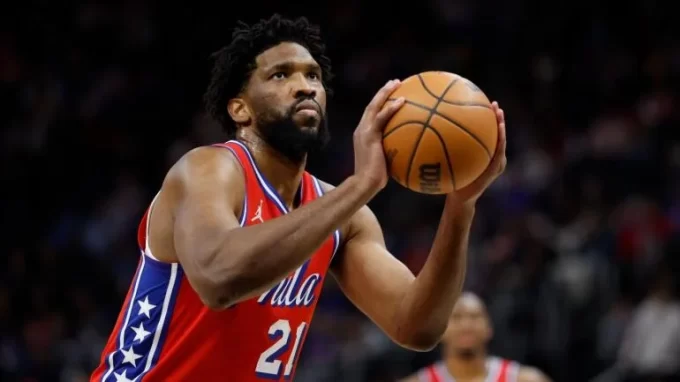
Joel Embiid’s Quiet Confidence: Is the 76ers’ Giant Ready to Rewrite His Story?
Joel Embiid is rarely one to make noise without purpose, and now,...
Kirsten Collins1 Mins read
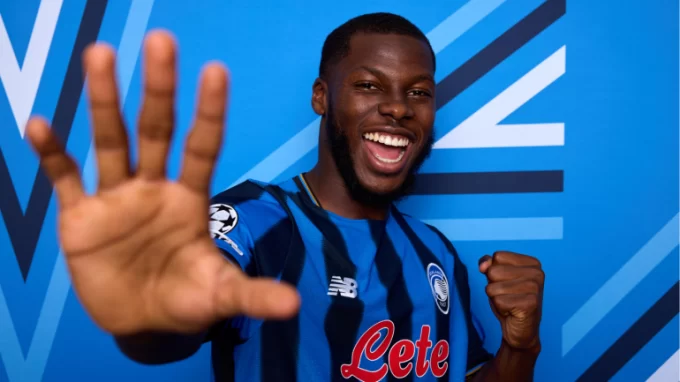
Juventus, Atalanta, and Arsenal’s Quiet Revolution: What’s Really Shaping This Week in Football?
The roar of Serie A stadiums masks a subtle shift, one that...
Kirsten Collins2 Mins read





Leave a comment