

Watch Before You Vote: The Oscars Finally Open Their Eyes
In a move both overdue and quietly radical, the Academy will now require voters to watch all nominated films before casting ballots. But does forced vision sharpen judgment—or blind it?
 Chris MarksApril 22, 20252 Mins read38
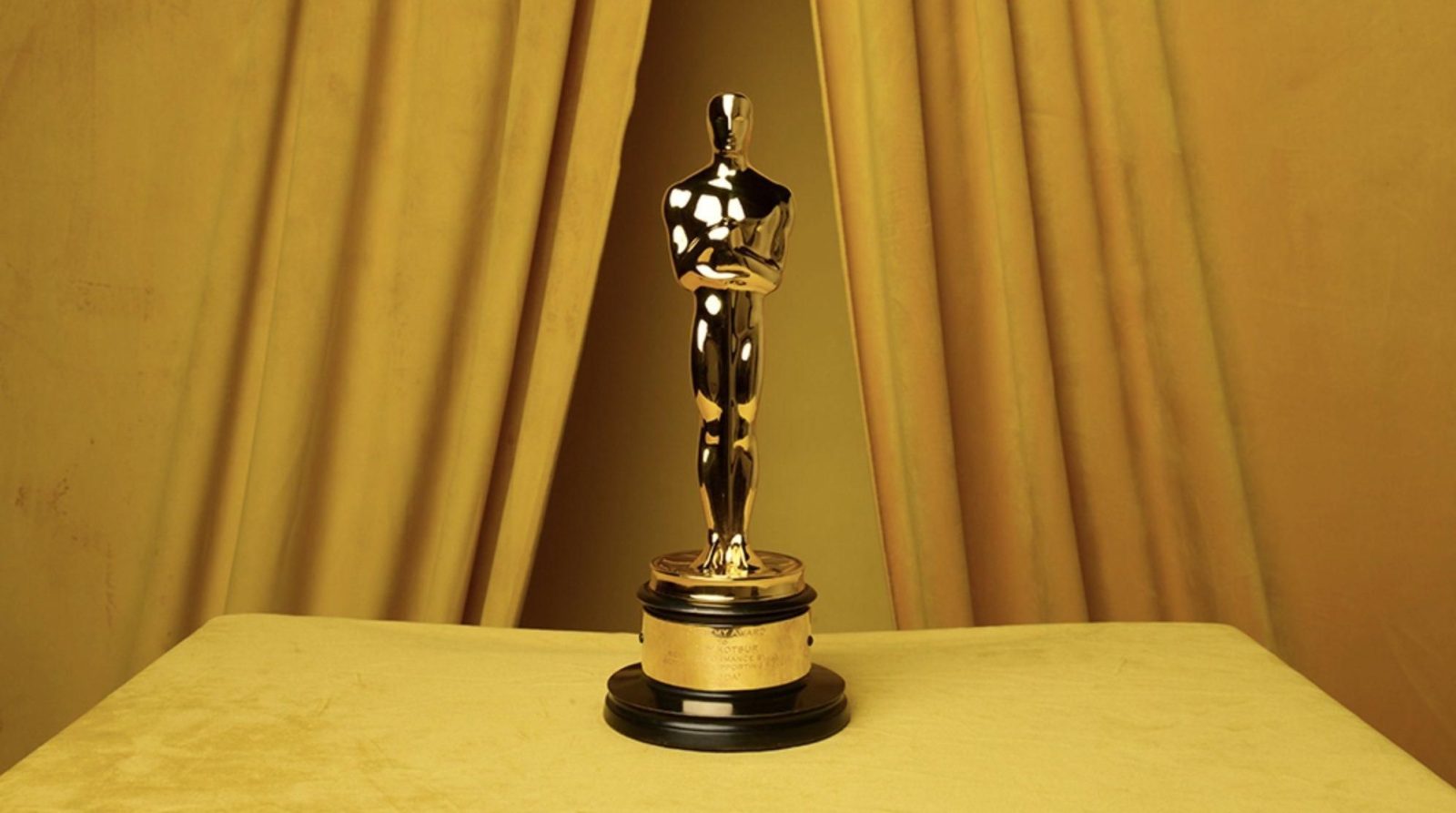
The strange thing is not that Oscar voters weren’t watching the films—it’s that no one seemed to care. For decades, the most powerful awards in cinema were often decided by whispers, trailers, press dinners, and reputations. Not performances. Not directing. Not storytelling. Just the vague echo of excellence, passed along like gossip under a golden chandelier.
Now, at the 98th Academy Awards, the rules have changed. Voters will be required to prove they’ve seen every nominated film in a given category before voting. Radical? Only if one assumes watching the work is optional. And many, it seems, always have. The Academy has never demanded literacy—only legacy. Until now.
The Eyes of the Ivory Tower
The new system requires voters to verify their viewings through the Academy’s streaming platform—an elegant solution, but also a subtle surveillance. A soft tap on the shoulder: Did you actually watch Best Documentary Short, or are you voting based on whose niece directed it?
One might call this a moment of accountability. Others might call it performance—optics that protect the institution while still ignoring deeper structural inequities. It’s true that the Academy has awarded greatness. But it has also dismissed it. Forgotten it. Deliberately not seen it. Is mandatory viewing the cure, or just an aspirin for a deeper malaise?
“Maybe now,” one producer quipped off the record, “people will actually discover the films they pretend to champion.” It was said like a joke. But under the humor: panic. Because the implication is that many of them don’t want to discover—they want to decide.
Truth Through Compulsion, or Curation?
What does it mean to be forced to see art? Does viewing under obligation make one more aware—or more resistant? There is something unnerving about turning a gaze into a duty. And something hopeful, too. Because perhaps it is through the very act of forced attention that new voices—radical, foreign, uncomfortable—finally get a fair audition.
But make no mistake: This shift is not about justice. It is about perception. The Academy, bruised by accusations of elitism and irrelevance, is trying to look modern. What remains to be seen is whether this policy produces more meaningful awards—or simply more polished excuses.
A voter now sits in front of a screen, obligated to see something they might never have chosen. The lights dim. The film begins. In that moment, we all become the audience. The only question is—are we watching, or are we simply proving we can?




Pianist Omar Harfouch Brings Celebrated Figures Together for a Night of Cultural Exchange – Hollywood Life
Image Credit: Omar Harfouch On February 20, 2026, pianist and cultural figure...
 Kirsten Collins2 Mins read
Who Is Ivana Lisette Ortiz? About the Rihanna Home Shooting Suspect – Hollywood Life
Image Credit: WWD via Getty Images The suspect in the March 8,...
Kirsten Collins1 Mins read
How Much Money Does She Have Now? – Hollywood Life
Image Credit: WWD via Getty Images Rihanna may be known as one...
Kirsten Collins2 Mins read
Stars Who Slammed ‘Love Story: JFK Jr. & Carolyn Bessette’: Statements – Hollywood Life
Image Credit: Getty Images FX’s Love Story: John F. Kennedy Jr. and...
Kirsten Collins2 Mins read





Leave a comment