

What the Morning Book Club Isn’t Telling You
Every book feels like the right choice—so why does something feel off? The Good Morning America Book Club is shaping American reading tastes with unnerving precision.
 Chris MarksMay 7, 20252 Mins read60
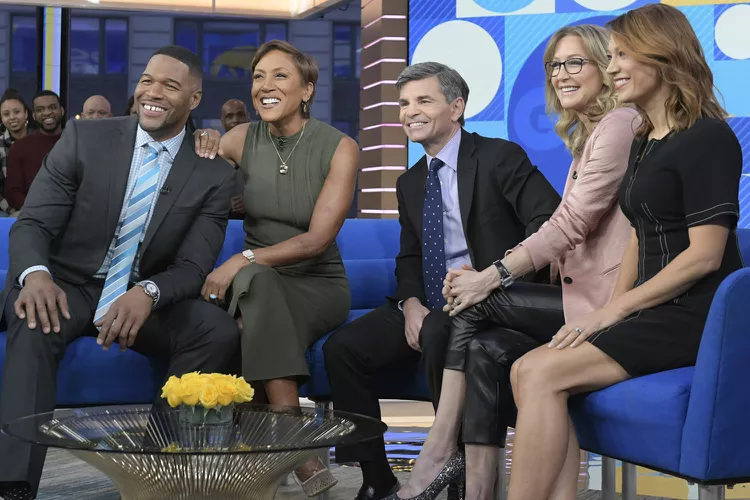
A book doesn’t go viral. It’s made viral—branded, softened, marketed until the edges no longer cut. And if you want to witness that alchemy in action, look no further than Good Morning America’s 2025 Book Club. It wears its literary halo with startling grace. Too much grace.
There’s a silky choreography to the list—a carefully planted diversity of narrative and geography, just enough edge to signal “timely,” just enough sentiment to lull the 8 a.m. viewer into feeling enlightened. These aren’t stories; they’re consensus. Books that feel designed in a lab where reader empathy is the product, and dissent is quietly redesigned into relatable redemption. One publishing insider noted, almost ruefully, “It’s not about surprise. It’s about safety. The illusion of discovery, perfectly timed.”
Literature, Now with a Morning Glow
Let’s talk about influence. Not the kind that’s loud, but the kind that arrives in a cozy segment between weather updates and celebrity pregnancies. GMA isn’t just picking books—it’s manufacturing narrative relevance. Once selected, a title enjoys the golden lift: overnight visibility, prime retail positioning, editorial amplification. But it also inherits something more abstract—a moral gloss. A book pick from this club doesn’t just say “read me”; it says “you’re a better person for doing so.”
And this is where it gets sticky. Because once taste becomes institutionalized under the comforting brand of American morning television, you have to ask: whose stories are being lifted, and whose are being lost? Which discomforts are sanded down to fit the timeslot? When literature is curated for maximum resonance and minimum resistance, how long before we start reading what we think we’re supposed to feel?
The Polished Aesthetic of the Acceptable
None of this is to say the books are bad. On the contrary, many are beautifully written, urgent, even necessary. But necessary for whom? And why does each selection feel like a solution to a problem we didn’t know we had until it was gently explained over coffee?
The 2025 list leans toward stories of healing, identity, family, and rediscovered purpose. Comfort with a conscience. Even the daring ones feel padded—like they were run through a focus group of emotions and adjusted for broad appeal. The stakes are clear: to be too raw is to risk exclusion; to be too literary is to be unread.
A former editor I spoke with said it flatly: “There’s a formula now. These picks don’t challenge—they affirm. They walk you to the edge, but never let you look down.”
So the question isn’t what we’re reading. It’s why we’re being told to read it. Who benefits when storytelling becomes a product of alignment, not risk? What have we sacrificed in the name of palatability?
Maybe the real plot twist isn’t inside any of these books—but just outside the camera frame, where decisions are made and taste is decided. Not with a bang, but with a smile.





When “107 Days” Meets Outcry: Harris’s Book Tour Interrupted
The microphone crackled to life, and before Harris could finish her opening...
Chris Marks1 Mins read
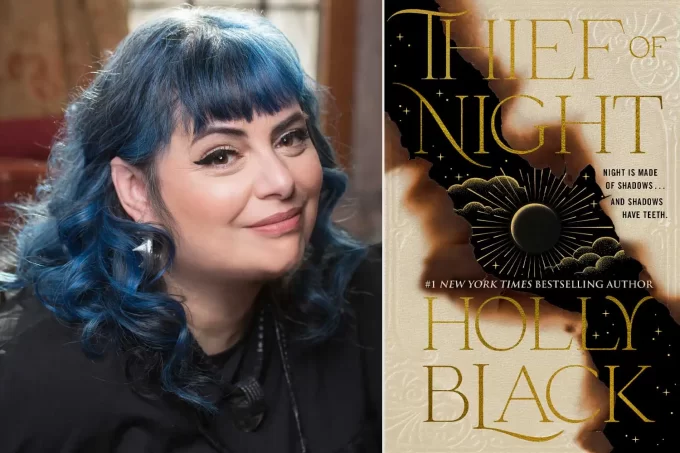
Whispers in the Shadows: Why Holly Black’s Sequel Is a Dark Invitation We Can’t Ignore
The night isn’t just dark—it’s ravenous, greedy, and it’s coming for you....
Chris Marks2 Mins read

Why Stephenie Meyer’s Regret About Edward Changes Everything You Thought You Knew
The moment Stephenie Meyer admitted she wouldn’t pick Edward Cullen today, a...
Chris Marks2 Mins read
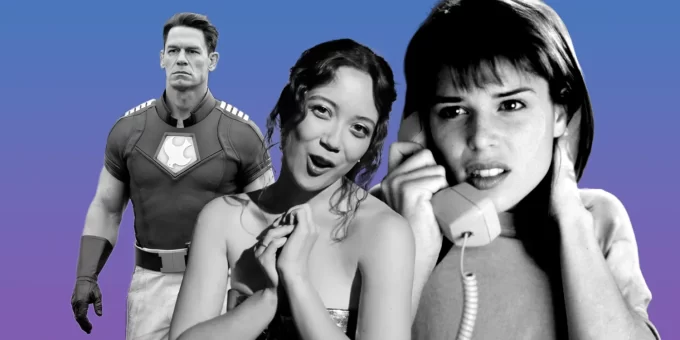
When Fear, Fury & Feathers Collide: Cinema, Superheroes, and a Confessional Album
Open with tension—the kind that threads through a scream, a reveal, and...
Chris Marks2 Mins read



Leave a comment